
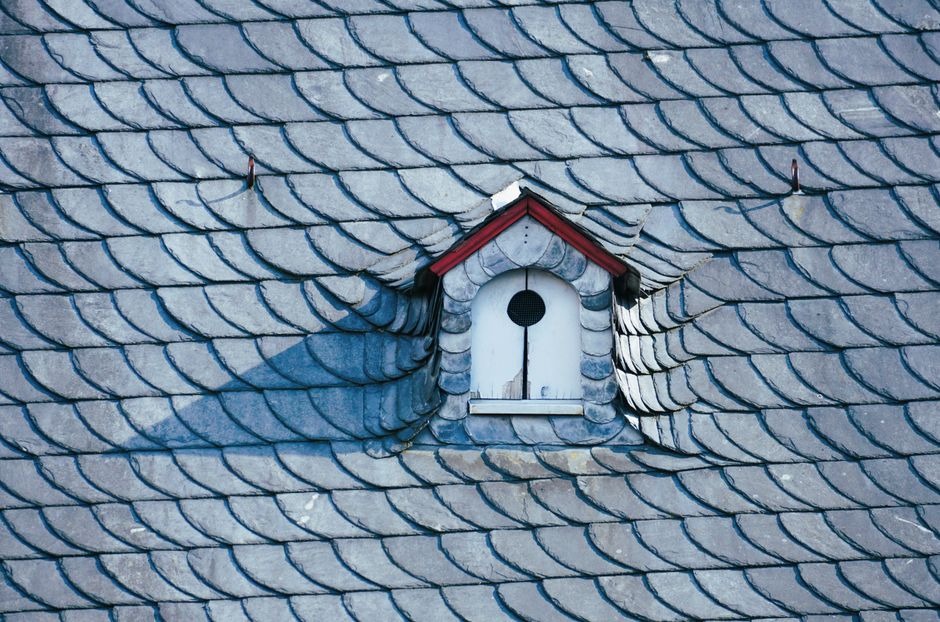
A residential slate roof is one of the few parts of a house that may be expected to serve several generations of owners. Slate itself may remain sound while fasteners, flashing, valleys, underlayment, or individual tiles begin to fail.
That makes slate ownership different from ordinary roof maintenance. The challenge is often not deciding when to replace everything, but learning which components are aging, which can be preserved, and how repairs can be made without damaging material that still has decades of useful life.
Learn to Separate a Damaged Slate From a Failing Roof
Finding a cracked, slipped, or missing slate can be alarming, particularly on a roof that has been in place for many decades. Yet one damaged piece does not automatically mean the entire roof has reached the end of its life.
This is where slate roof repair and restoration becomes especially relevant. A knowledgeable assessment can distinguish localized problems from widespread deterioration and determine whether existing material can be retained. That distinction matters because indiscriminate replacement can sacrifice durable historic material that may still be performing well.
Pay Attention to the Metal Between the Stone
Homeowners naturally focus on slate because it is the most visible material, but some of a roof’s most vulnerable points may be metal. Flashing around chimneys, valleys, walls, vents, and other transitions directs water away from places where roof surfaces meet.
Metal components can deteriorate on a different timeline from the stone around them. A roof may therefore develop leaks even when much of its slate remains serviceable.
When investigating moisture, avoid assuming that the nearest visible slate is responsible. The source may be deteriorated flashing or another transition higher on the roof. Repairing the actual water path can preserve a large section of otherwise healthy roofing and prevent unnecessary disturbance.
Treat Matching Slate as Part of the Architecture
Slate is a natural material, so variation is part of its appearance. Color, texture, thickness, weathering, and quarry origin can influence how a replacement piece looks beside older material.
On a prominent roof plane, poorly matched repairs may stand out even when they are technically functional. Thoughtful restoration considers visual continuity as well as weather protection.
The goal is to choose replacement material that belongs visually with the existing roof rather than creating distracting patches.
For historic or architecturally distinctive houses, this attention to matching can help preserve the relationship between the roof and the rest of the building.
Understand Why Walking on Slate Can Create New Damage
A slate roof may look solid enough to walk across, but individual pieces can crack under poorly placed weight. That makes casual inspection from the roof surface risky for both the material and the person attempting it.
Homeowners can still watch for problems from safe locations. Binoculars or photographs taken from the ground may reveal slipped pieces, visible gaps, or unusual changes after a storm. Interior attic checks can also reveal staining or signs of moisture.
When closer access is necessary, it should be handled by professionals familiar with slate and appropriate access methods. An inspection should not create several broken tiles while trying to identify one existing problem.
Read the Attic as the Roof’s Second Face
The exterior tells only half the story. An attic can reveal evidence that is difficult to see from the ground, including water staining, damp areas, deteriorated decking, or daylight appearing where it should not.
Timing matters when interpreting those clues. A stain may be evidence of an old repair rather than an active leak, so homeowners should document changes and note whether marks grow after rain.
Think of the attic as an observation space rather than forgotten storage. Periodic checks can help connect subtle interior evidence with exterior roofing conditions.
Use Storms as a Reason to Inspect, Not Panic
Hail, wind, falling branches, and freeze-thaw conditions can affect a slate roof, but storm damage is not always dramatic. A tile may crack, shift, or disappear while the rest of the roof remains intact.
After significant weather, perform a safe visual check from the ground and look around the property for fallen slate fragments. Indoors, check upper ceilings and accessible attic areas for new signs of water.
Avoid rushed decisions based solely on the age of the roof. Slate is known for exceptional longevity, so condition and material quality often tell a more useful story than a birthday alone.
Keep Gutters and Drainage in the Preservation Plan
Slate may receive most of the attention, but the water leaving it still needs somewhere safe to go. Gutters, downspouts, and drainage around the property form the next stage of the roof’s water-management system.
Blocked or damaged gutters can overflow onto fascia, walls, and areas near the foundation. Debris can also accumulate in roof valleys or other locations where water needs a clear path.
It is also worth coordinating gutter, flashing, and roof work. Contractors working near slate should understand that careless access or fastening can damage surrounding material. Protecting an old roof sometimes depends as much on how adjacent projects are performed as on the roofing work itself.
Plan Repairs Around Decades, Not Seasons
The most useful maintenance plan for a slate roof is long-term. Instead of waiting for leaks and responding one emergency at a time, keep records of inspections, repairs, replaced slates, flashing work, and areas that professionals recommend monitoring.
Budgeting also becomes easier when maintenance is anticipated rather than treated as a surprise. A slate roof can contain components with very different service lives, so preserving it may involve periodic targeted work rather than one enormous replacement cycle.
That is what makes residential slate roofing unusual. The roof is not simply a surface that gets old and is eventually discarded. It is a durable assembly in which some parts may survive for generations while others need careful renewal along the way.
A preservation mindset respects that difference. Inspect thoughtfully, identify the true source of problems, protect sound slate during other work, and repair vulnerable components before small failures spread. Done well, maintenance becomes less about keeping an old roof alive and more about stewarding a building feature that was designed to have a remarkably long future.