Metal detecting is a dynamic and rewarding hobby that continues to evolve with technological advances and refined techniques. Success in this field relies on understanding both your tools and your environment. Whether you’re just beginning or have years of experience, following proven best practices helps you find more treasures while protecting the integrity of the sites you visit. From selecting the right detector to mastering swing and recovery techniques, each step in your approach matters. Many enthusiasts choose advanced options like Minelab metal detectors, which offer versatility for different terrains and conditions.
Proper research, equipment maintenance, and respect for laws ensure the hobby remains safe and enjoyable for all. Connecting with the broader detecting community can further enhance your skills and open the door to new opportunities. This guide will walk you through the essential best practices you need to get the most out of your metal detecting adventures.
Choosing the Right Equipment
The foundation for successful metal detecting starts with selecting the right equipment. When choosing a metal detector, take into account the types of locations you’ll frequent, such as parks, fields, or beaches, as well as the type of metals you are seeking. Many hobbyists prioritize features such as discrimination, depth, waterproofing, and the ability to switch frequencies. Detectors with waterproof coils are ideal for searching shorelines and rivers, while all-terrain models are well-suited for fields and woods. Accessory tools such as sturdy digging trowels, pinpointers, and noise-canceling headphones make your searches more efficient and pleasant, especially in noisy environments.
Understanding Your Detector
Learning the ins and outs of your metal detector can greatly boost your efficiency. Spend time reviewing the user manual to get comfortable with sensitivity adjustments, discrimination settings, and ground balancing. Many modern detectors offer digital readouts and audio cues for differentiating between common targets and valuable finds. Practicing across different soil types lets you fine-tune your settings and avoid frustration from false signals or missed items. For an in-depth overview of how these devices work and how to fine-tune your settings, refer to trusted sources such as Serious Detecting’s Guide to Minelab Metal Detectors.
Mastering Swing Technique
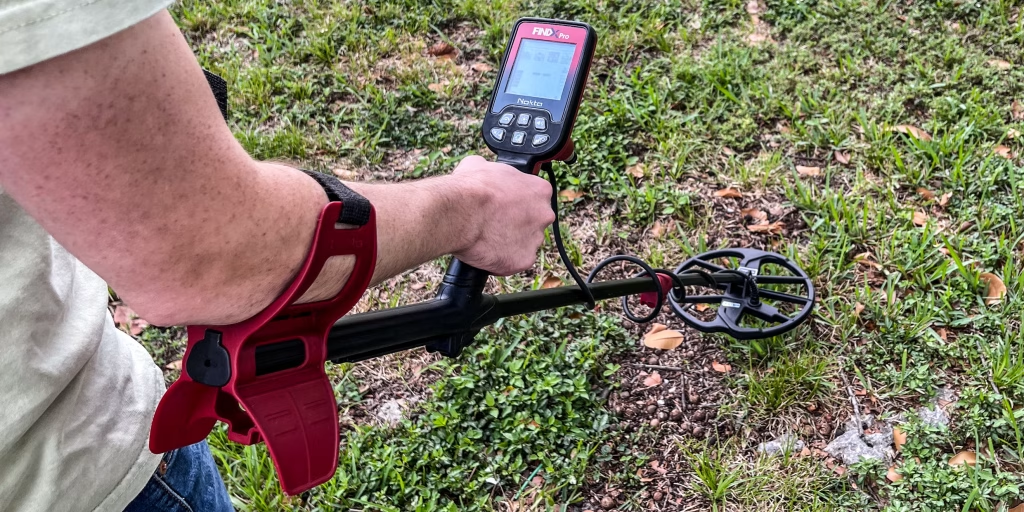
Your swing technique plays a significant role in consistently uncovering targets. A controlled, methodical sweep that keeps the coil parallel to the ground and close to the ground increases coverage and reduces the risk of missing deep or faint items. Gentle overlaps of each swing by at least half the coil’s width ensure that no area is left unscanned. Avoid rushing or raising the coil at the end of each pass, as this can contribute to inconsistent signals or targets being missed altogether. Practicing patience and precision helps develop muscle memory for optimal coverage.
Effective Target Recovery


When your metal detector signals a potential find, accurate pinpointing is key to efficient recovery and minimal ground disruption. Many detectors come equipped with a pinpoint mode that narrows the target’s location. Once pinpointed, use a hand digger to carefully extract the item, leaving a clean “plug” in the soil that can be easily replaced. Fill in all holes after recovery to keep parks, beaches, and fields pristine for other visitors and future detectorists. Proper recovery techniques not only preserve the landscape but also boost your reputation within the local community.
Researching Detecting Locations
Spending time researching your detecting spots can be the difference between an okay outing and an exceptional one. Old maps, city records, and local historical resources often reveal where people once gathered, such as schoolyards, fairgrounds, or trade routes. Online resources, historical societies, and public libraries can also supply valuable leads on promising locations. Always check that you have the necessary permissions before detecting in restricted or private areas, and become familiar with state and municipal guidelines for metal detecting. For further tips on ethical research and site selection, see this overview from Smithsonian Magazine.
Adhering to Legal and Ethical Standards
Metal detecting comes with responsibilities to preserve the historical and environmental value of the land. Read up on the local, state, and federal regulations governing where you can detect and what you can keep. Many countries consider historic artifacts found on public land to be government property and require them to be reported. Always act respectfully, obtain written consent when necessary, and give due regard to protected heritage sites and natural reserves. Following the code of ethics helps protect the hobby’s reputation and future for everyone involved.
Seasonal Considerations
The time of year can greatly affect your metal detecting strategy and comfort. Spring and fall usually offer ideal conditions, with softer, moist ground that enhances detection depth and recovery ease. Summer outings might require extra hydration and sun protection, while winter excursions should factor in cold-weather gear, hand protection, and awareness of frozen soil. Tailoring your gear and scheduling to seasonal factors will maximize your efficiency and safety during each session.
Continuous Learning and Community Engagement

Staying up to date with emerging technology and changing regulations makes you a more effective detectorist. Participation in local metal-detecting clubs, community events, and online forums fosters knowledge sharing and camaraderie. Many clubs offer group hunts, educational sessions, and opportunities to learn from more experienced members. Engaging with the broader community not only enriches your personal experience but also advances the hobby for all.
Incorporating these best practices into your routine leads to more productive, respectful metal-detecting sessions. It enables you to enjoy the thrill of discovery while contributing positively to the hobby and the preservation of history for future generations.