Healthcare offers many niches where professionals can make a big difference. One such field is oncology, specifically acute lymphoblastic leukemia (ALL). This aggressive form of blood cancer mainly affects young children but may also occur in adults. Dedicating expertise specifically towards treating ALL, healthcare professionals contribute directly to bettering the treatment outcomes, offering hope to patients and families, and opening the way for groundbreaking advances in the field.
Understanding Acute Lymphoblastic Leukemia
Acute lymphoblastic leukemia is a cancer of white blood cells. It develops when bone marrow produces immature lymphoblasts that uncontrollably replicate, crowding out healthy ones. Rapid progression of ALL requires swift and accurate diagnosis, with common symptoms including fatigue, frequent bruising, fever, and bone pain. All forms of lymphoma affect the immune system’s effectiveness, leaving patients vulnerable to infections and complications. ALL is distinguished by its varied manifestations based on genetic and molecular subtypes that require tailored treatment approaches specifically for each subtype. Advances in molecular diagnostics permit personalized approaches that account for biological traits of disease, thus emphasizing the need for specialists who can interpret such complex details.
Opportunities for Specialization
Healthcare professionals specializing in ALL treatment and research establish themselves at the forefront of an extremely important field in medicine. This specialty offers the chance to improve current therapies, from chemotherapy and targeted therapies to bone marrow transplantation. Immunotherapy treatments such as CAR T-cell therapy have offered new hope to patients suffering from relapsed or refractory ALL, marking an important step forward in oncological care. Beyond treatment approaches, there remains ample space for innovation in patient education and support services. Patients, particularly children, often require an approach combining medical and psychological support. Specialized professionals can serve as intermediaries between medical teams, patients, and families and ensure a care plan that addresses clinical and emotional needs.
Challenges and Rewards in Fighting ALL
Tackling acute lymphoblastic leukemia can present a lot of challenges and rewards. As healthcare providers often operate under high-pressure situations when treating pediatric and adult cancer patients, the emotional toll can be heavy. But their rewards can be equally profound. Treating ALL successfully can save lives, turning what initially seemed to be dire prospects into tales of resilience and recovery. Also, ALL research provides many avenues of discovery. Healthcare professionals can leave a notable mark on this field by identifying biomarkers for early detection or refining therapeutic protocols that improve the survival rates, leaving behind lasting legacies within this arena.
Future Defined by Progress

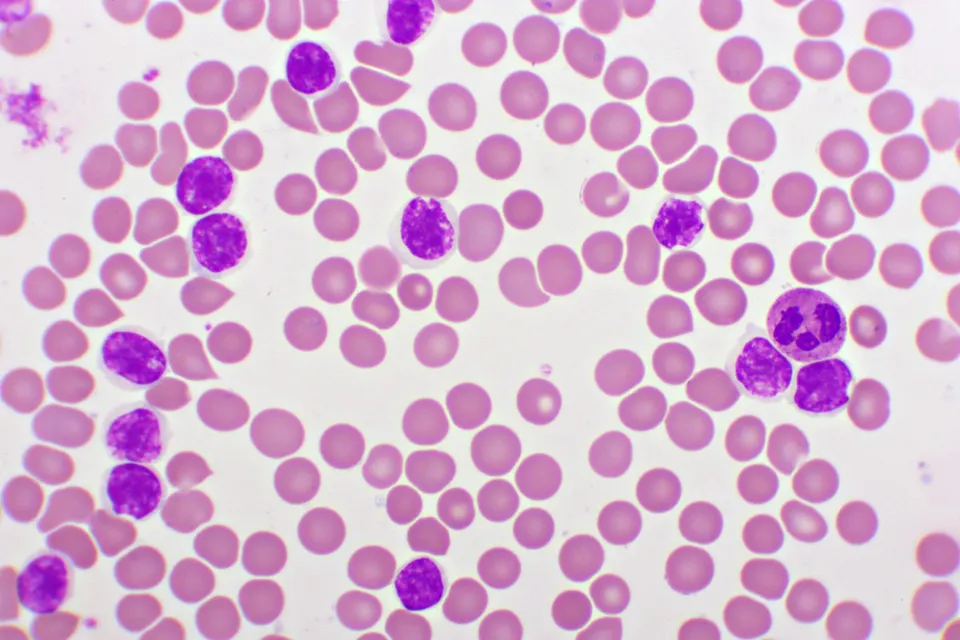
The fight against acute lymphoblastic leukemia represents a progressing frontier in medicine. Healthcare professionals that dedicate subspecialty attention to ALL not only address its critical need but also align themselves with innovations shaping its future. Whether through clinical practice, laboratory research, or patient advocacy, each effort contributes towards creating brighter prospects for those diagnosed with ALL.
Conclusion
Specializing in healthcare specialties such as acute lymphoblastic leukemia can be significant challenges and incredible rewards. You have an opportunity to apply your expertise in treating this disease with innovative approaches and compassionate care, providing profound satisfaction by impacting lives while pushing medical science further along its road.