
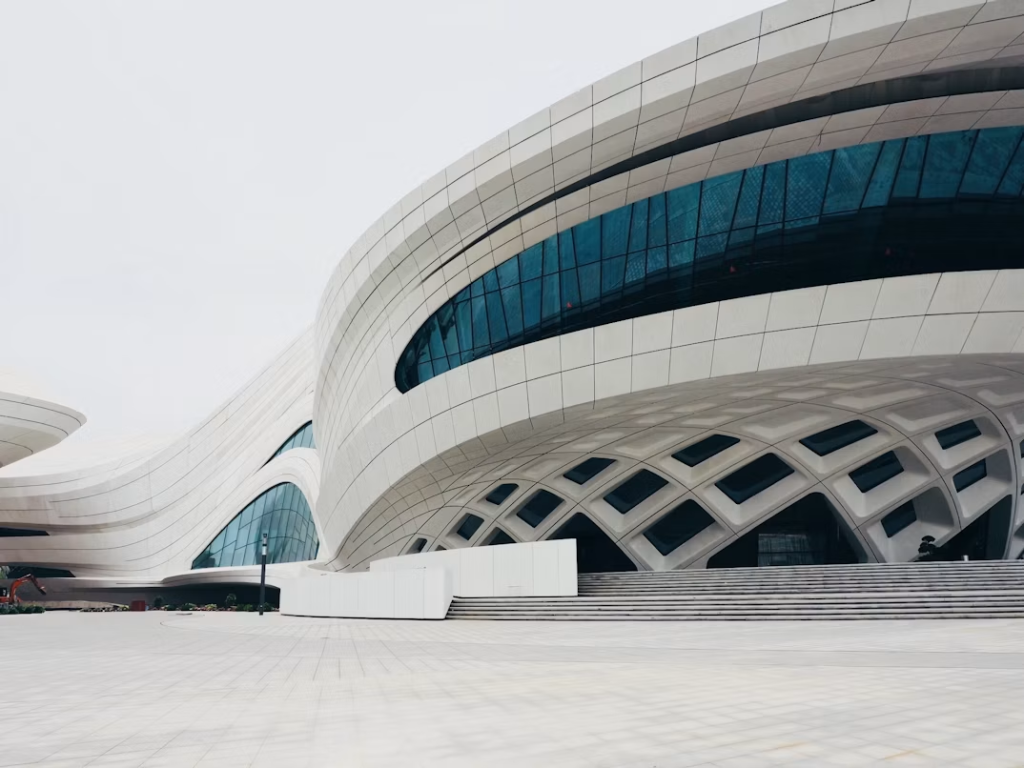
The structures we build today are more than just shelter and utility; they are complex systems designed to be efficient, resilient, and sustainable. This evolution in engineering and construction is driven by a quiet revolution in the very substances we use to build our world. From skyscrapers that sway in the wind to bridges that monitor their own structural health, the future is being built with materials that are smarter, stronger, and more adaptable than ever before. This combination of advanced materials and innovative engineering is not just changing how we build, but also what we can expect from our built environment. These advancements are paving the way for adaptive architecture that can dynamically respond to environmental changes, making modern construction more durable and sustainable.
The Core of Modern Construction
Modern construction has moved far beyond simply pouring concrete and erecting steel beams. Today, the industry needs high-performance buildings and infrastructure that can meet complex environmental and social challenges. This requires a shift in thinking, from viewing a building as a static object to seeing it as a dynamic system. Every component, from the foundation to the facade, is expected to contribute to the overall efficiency, safety, and longevity of the structure.
This new way of thinking puts immense pressure on traditional materials and methods. The need for greater energy efficiency, reduced carbon footprints, and resilience against extreme weather events has pushed engineers and architects to seek new solutions. This is where smart construction materials come in. These materials are engineered to respond to their environment in a predictable, useful way. Examples include concrete that can heal its own cracks, windows that can change their tint to control heat, and paints that can detect air pollutants. By using these advanced materials, modern construction projects can achieve performance levels that were previously impossible.
Innovations in Material Science
Material science is at the heart of this transformation, constantly producing innovations that redefine what’s possible in engineering. Scientists are no longer just discovering new materials; they are designing them from the molecular level up to have specific properties. This approach is leading to breakthroughs that sound like science fiction but are quickly becoming reality.
Consider some of these advancements:
- Self-Healing Concrete: This material contains capsules of bacteria and nutrients. When a crack forms, water activates the bacteria, which then produce limestone to seal the fissure. This extends the structure’s life and reduces maintenance costs.
- Transparent Wood: By removing lignin from wood and replacing it with a polymer, scientists can create a material that is stronger and a better insulator than glass, while remaining transparent. It offers a sustainable alternative for windows and building facades.
- Advanced Metal Alloys: Metallurgists are creating new alloys with unprecedented strength-to-weight ratios, corrosion resistance, and thermal stability. These materials are crucial for high-stress applications in aerospace, energy, and, of course, cutting-edge architecture.
This constant push for innovation is part of a broader effort aimed at revolutionizing materials science and solving global challenges. Each new material opens up new design possibilities, allowing engineers to create structures that are lighter, stronger, and more integrated with their environment.
Designing for Durability and Performance
Having advanced materials is only half the story. To truly use their potential, engineers and designers must adopt a performance-based approach to design. This means moving away from strict rules that dictate what materials to use and toward performance criteria that define how a structure must behave over its entire lifecycle. The focus shifts to long-term durability, reduced maintenance, and resilience against predictable and unpredictable stresses.
This approach requires a deep understanding of material properties and how they interact within a larger system. For example, a building facade is no longer just a wall; it’s a dynamic envelope that must manage heat, light, air, and moisture. Designing such a system involves selecting materials that not only look good but also contribute to the building’s overall energy performance and occupant comfort. Companies like Form Metal Systems are leading this movement, engineering customized metal systems that meet strict performance criteria for modern architectural and industrial projects. By fabricating high-quality components designed for specific applications, they ensure the finished structure performs exactly as intended, from day one through year fifty. This level of precision and customization is essential for achieving the durability and performance that modern projects demand.
Automated Manufacturing’s Impact
The sophisticated materials and complex designs of modern engineering require an equally sophisticated manufacturing process. Traditional fabrication methods often lack the precision, efficiency, or capability to work with these new materials at scale. This is where automated manufacturing and digital fabrication have become essential. Robotics, computer numerical control (CNC) machining, and 3D printing are transforming factories and construction sites.
Automation brings several key advantages:
- Precision: Robots can perform repetitive tasks with an accuracy and consistency impossible for humans to match. This is critical when working with high-performance components that have tight tolerances.
- Efficiency: Automated systems can operate 24/7, significantly reducing production timelines. They also optimize material usage, minimizing waste and lowering costs.
- Complexity: Digital fabrication technologies like 3D printing can create complex shapes and integrated components that would be impossible or too expensive to produce with traditional methods. This opens up new architectural possibilities.
This technological shift is a core part of the next normal in construction, where digital tools connect the entire process from design to fabrication to on-site assembly. Prefabricated modules built in a controlled factory environment and then transported to the site for assembly are becoming more common, improving quality and speed while reducing disruption.
Future-Proofing Infrastructure
The ultimate goal of combining smart materials, performance-based design, and automated manufacturing is to create infrastructure that is truly future-proof. Our cities, transportation networks, and utility systems are facing unprecedented challenges from climate change, population growth, and aging components. Simply replacing old infrastructure with more of the same is not a sustainable solution. We must build systems that are inherently resilient, adaptive, and long-lasting.
Future-proofing involves designing infrastructure with the capacity to withstand future shocks and stresses. This might mean building bridges with sensors that monitor structural integrity in real-time and alert engineers to potential problems before they become catastrophic. It could involve using permeable pavements in cities to manage stormwater and reduce flooding. By taking a long-term view, engineers can help future-proof our cities and ensure they remain safe, functional, and livable for generations to come. This proactive approach not only protects our investments but also creates a more sustainable and resilient built environment for everyone.
The convergence of material science, engineering, and manufacturing technology marks a pivotal moment in our ability to shape the world. The structures we build are becoming smarter, more responsive, and more durable, creating a foundation for a safer and more efficient future.