
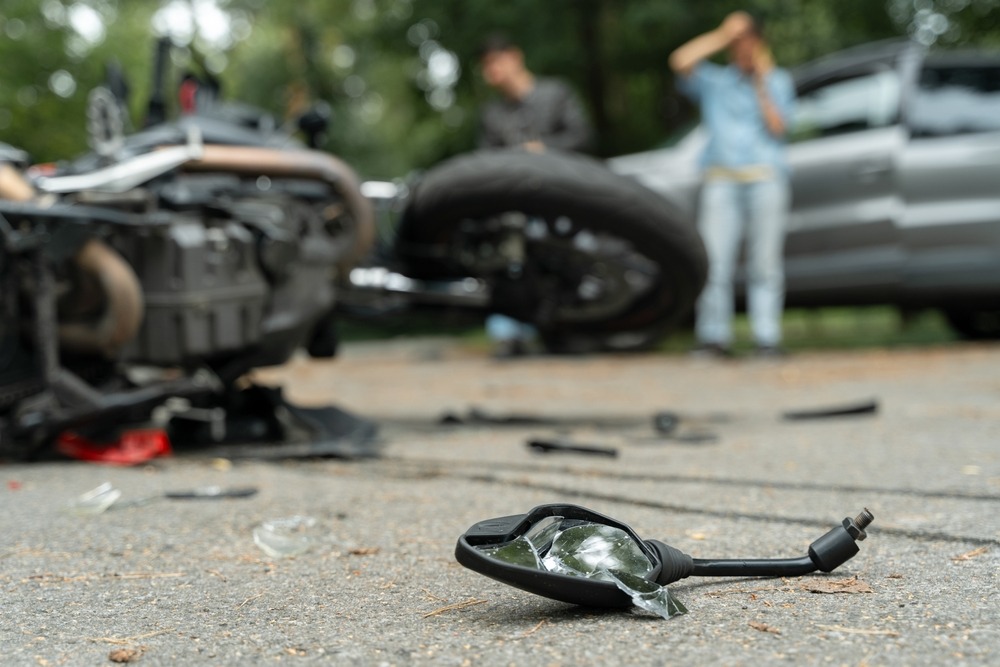
The final position of a motorcycle after a crash rarely tells the full story. The marks on the road, damaged parts, and small details around the area can reveal what happened before impact. A collision scene is often a collection of clues waiting to be connected. Investigators look at actions, conditions, and timing to rebuild the sequence of events.
Review of these details plays a role in proving fault in motorcycle accidents because the truth often depends on what happened before the crash, not only the damage left behind.
The Road Scene Creates the First Timeline
A motorcycle collision investigation usually begins with the location where the crash occurred. The scene can provide information about movement, direction, and possible actions before the impact. Investigators review details that may seem small but can help explain the larger picture.
Road evidence may include:
- Tire marks that show braking or movement
- Vehicle positions after the collision
- Road signs and traffic patterns
- Surface conditions that may affect travel
These details help create a timeline of events. A motorcycle may stop far from the original point of impact, so investigators examine the entire area rather than focusing on one spot. The goal is to understand how the crash developed from start to finish.
Vehicle Damage Can Reveal Movement Before Impact
The damage found on a motorcycle and other vehicles can provide clues about how the collision happened. Investigators study the location and shape of damage to understand the direction and force involved.
A damaged part may show whether contact happened from a certain angle or whether vehicles moved in a particular way before stopping. Broken pieces, scratches, and other marks can add information that is not visible from a look at the scene.
The condition of the vehicles becomes another part of the timeline. Instead of only asking where the crash happened, investigators examine how each vehicle interacted before the final position.
Records and Technology Fill Missing Details
Some parts of a collision cannot be seen after the vehicles are moved. Technology and records can help provide more information about those missing moments.
Investigators may review sources such as:
- Camera footage from nearby areas
- Vehicle data systems
- Available phone records
- Statements from people who saw the event
Each source offers a detail. One record may show movement, while another may explain timing or conditions. Comparing these details helps investigators build a clearer picture instead of depending on one piece of information.
Witness Information Adds Context to the Sequence
People who observe a motorcycle collision may notice details that are not captured by physical evidence alone. A witness may describe traffic movement, vehicle actions, or conditions before the crash.
However, witness accounts are reviewed along with other evidence. Memories can differ, especially after an event. Investigators compare statements with scene findings and records to understand which details match the available evidence.
This process helps separate assumptions from facts. An investigation depends on how different pieces of information connect together.
Surrounding Conditions Can Change the Understanding of a Crash
The area around a collision can influence how investigators view the events leading up to it. Road design, weather, lighting, and visibility may all become part of the review.
Details such as unclear signs, blocked views, or changes in the roadway may provide additional context. These factors do not explain every collision, but they can help show the conditions present before impact.
A motorcycle crash investigation often looks beyond the vehicles because the environment may hold information about what occurred.
Connecting Small Details Builds a Clearer Picture
No single piece of evidence usually explains a motorcycle collision. Investigators often need to connect many details to rebuild the sequence of events.
The process involves reviewing physical evidence, checking records, comparing statements, and identifying patterns. This approach creates a timeline based on information rather than quick assumptions.
An experienced motorcycle accident lawyer may review these details as part of examining the facts surrounding a collision. A detailed investigation helps provide a better understanding of how events unfolded and what information supports each conclusion.
Final Thoughts
The area around a motorcycle collision contains more than the final damage. Road marks, vehicle conditions, records, and witness information can all help explain what happened before the crash occurred. A review of these factors creates a clearer view of the events leading to a collision.
For anyone focused on proving fault in motorcycle accidents, understanding how investigators connect evidence can show why the moments before impact often matter just as much as the crash itself. These investigations show how careful review of early details can reveal information that might remain unclear.