You press the remote, and nothing happens, or worse, it moves halfway and stops like it changed its mind. It is usually at the worst time, when you are already late or carrying something heavy.
Most garage doors do not fail all at once. They give small warnings, but those warnings are easy to ignore because everything still works, just not as smoothly. Over time, those small issues build up until the system refuses to cooperate, and then it suddenly feels like a bigger problem than it really is.
The Quiet Signs Before Something Goes Wrong
Most garage doors get used without much thought. Up, down, repeat, sometimes several times a day. That kind of routine adds wear, even if nothing looks wrong yet. You might catch a small delay, or hear a sound that feels new but not serious. Maybe a light grinding, maybe a slight jerk when it moves. Easy to ignore. The problem is how inconsistent it feels. One day it works fine, the next day it hesitates a bit. That back-and-forth makes it seem harmless, but it usually means something is starting to wear out underneath.
When Minor Issues Turn into Major Repairs
Most garage door problems start small and stay manageable for a while. A loose component, a worn roller, or a track that is slightly out of line. These are not urgent at first, and the door keeps working, so it feels safe to ignore them. Over time, though, these small issues tend to connect. One part puts stress on another, and the system becomes less stable. That is when the door might stop halfway, reverse unexpectedly, or refuse to open at all. And that’s when you will need professional garage door repair services.
At that stage, the situation usually shifts from simple maintenance to something more because the door has reached a point where it can no longer compensate for the wear.
Why Regular Use Matters More Than Age
It is easy to assume that problems come from age, but use plays a bigger role. A newer door that is used heavily can show signs of wear faster than an older one that is used less often. Every opening and closing cycle adds a bit of strain. Springs stretch, rollers move along tracks, and the motor handles repeated loads. Over time, even well-built systems start to show the effects of that repetition. This does not mean that heavy use is a problem on its own. It just means that maintenance becomes more important. Paying attention to how the door behaves can help catch issues before they grow.
The Impact of Weather and Environment
Garage doors are exposed to changing conditions throughout the year. Heat, cold, moisture, and dust all affect how the system works. Materials expand and contract, metal parts can rust, and small debris can settle into tracks.
These changes are gradual, which makes them easy to overlook. A door that worked smoothly in one season might start acting differently in another. It is not always a sign of damage, but it is a sign that conditions have changed. Keeping the system clean and checking for visible wear helps reduce these effects. It does not eliminate them, but it keeps them from building up unnoticed.
Small Maintenance Habits That Make a Difference
Most issues can be delayed or avoided with simple habits. Not complicated routines, just small checks that take a few minutes.
Listening to the door as it moves is one of the easiest ways to spot a change. If something sounds off, it usually is. Looking at the tracks for debris or misalignment can also help. These are basic steps, but they catch problems early. Lubrication is another part that is often skipped. Moving parts need to be kept in good condition to reduce friction. When they are not, wear increases faster than expected.
When to Stop Adjusting and Get Help

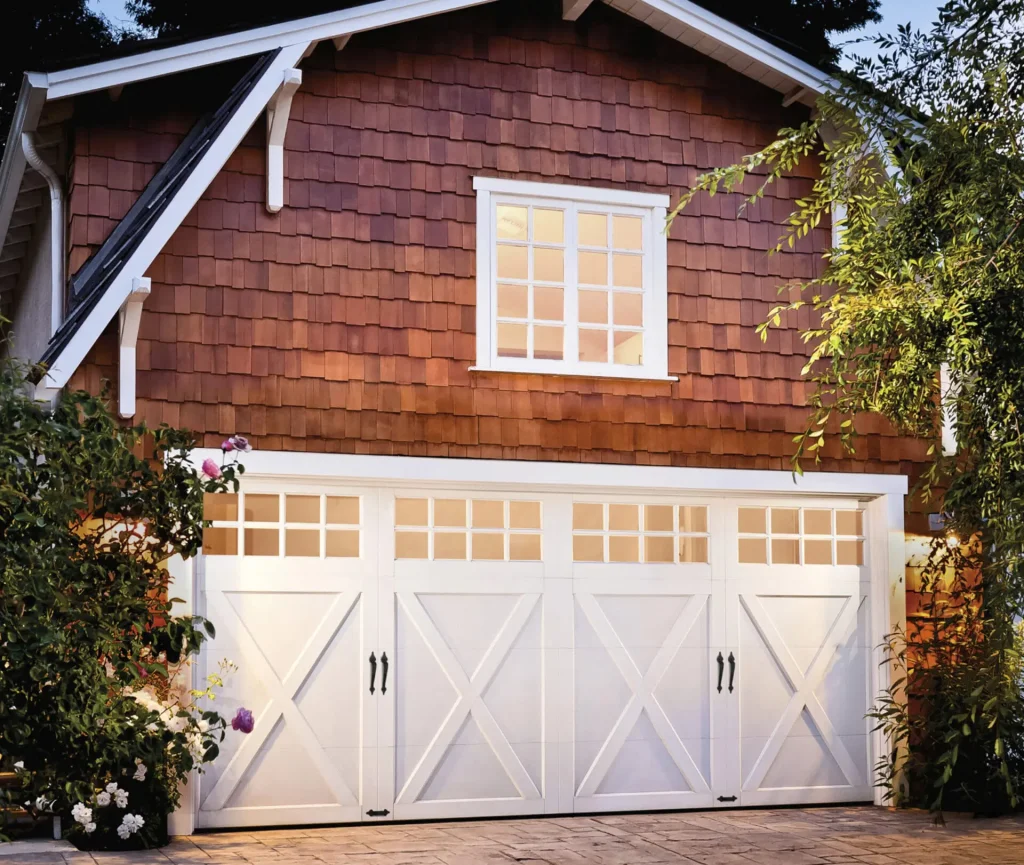
There is a point where small fixes are no longer enough. Tightening a bolt or cleaning a track might help for a while, but if the same issue keeps returning, it usually means something deeper is wrong. Garage door systems are more complex than they appear. Springs, cables, and motors work together in a way that requires balance. When that balance is off, trying to fix one part without understanding the rest can make things worse.
Knowing when to step back is part of avoiding bigger problems. It is not always about doing more. Sometimes it is about not pushing the system beyond what it can handle.
How Daily Habits Affect Long-Term Performance
The way a garage door is used also plays a role in how it wears over time. For example, forcing the door when it hesitates can add strain to the motor and tracks. Letting small issues slide for too long has a similar effect. Even simple habits, like closing the door gently or avoiding unnecessary cycles, can make a difference. These are small adjustments, but they reduce stress on the system.
When a garage door is working well, it goes unnoticed. Most issues do not appear suddenly. They build slowly, in ways that are easy to miss. Catching them early keeps the system stable, and it keeps daily routines from being interrupted at the worst possible time.