
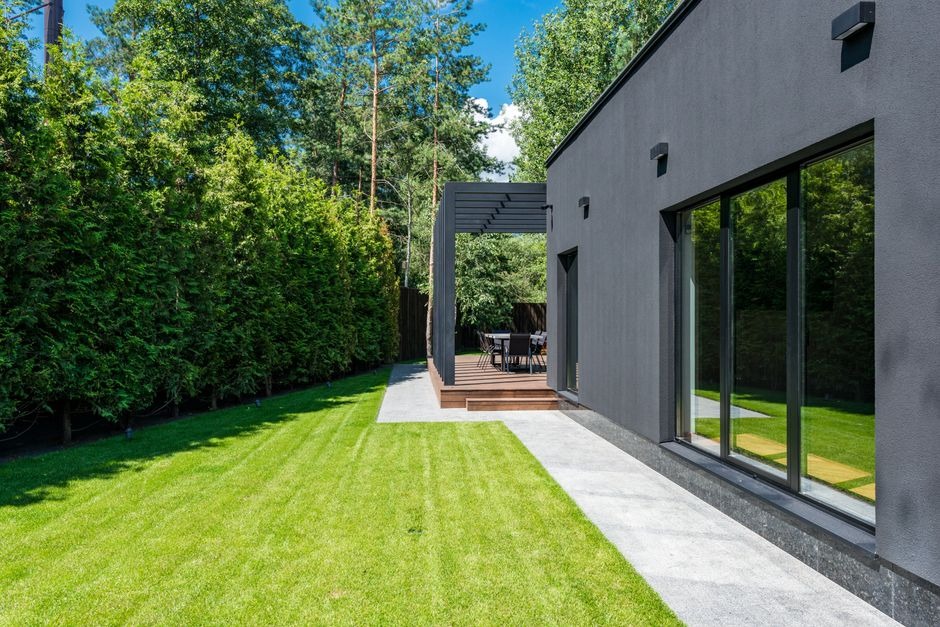
A good lawn can make your whole home look more polished, but choosing the right sod is where many homeowners get stuck. One type may look great in a photo and still struggle in your yard. Another may need more care than you want to give. If you want a lawn that looks healthy and stays manageable, it helps to match sod to your climate, sunlight, and daily life. A little planning now can save you from a yard full of regret later.
Why Sod Choice Matters
Picking sod is not just about color or softness under your shoes. It shapes how much time, water, and effort you will spend on your lawn over the next few years. If your yard gets strong sun and heat for much of the year, choosing a warm-season option is often the smart move. Many homeowners consider St Augustine grass sod because it is commonly used for lawns that need a full, attractive look in warmer regions.
The wrong choice can create a string of problems. You may see patchy growth, thinning areas, or constant dryness even when you feel like you are doing everything right. That gets frustrating fast. The better approach is to think about how the lawn will live in your yard, not how it looks on day one.
A healthy lawn starts with a realistic match. When sod fits your conditions, it settles in faster and usually needs less correcting later.
Understand Your Yard
Before you choose any sod, take a close look at what your yard is actually like. Some areas may get direct sun all day, while others sit in shade from trees, fences, or the house. That difference matters more than many people expect. A sod variety that thrives in bright sun may struggle in a dim side yard.
You should also pay attention to drainage. After a heavy rain, does water disappear quickly or stay put like an unwanted guest? Soil that stays soggy can weaken roots and create trouble for many grass types. Dry, sandy soil creates a different set of challenges.
Think about how the lawn will be used too. If kids, pets, or frequent gatherings will put a lot of wear on the grass, durability should move up your priority list. If the front yard is mostly for appearance, you may care more about a dense, even finish.
Your local weather also plays a big role. Heat, humidity, and seasonal rainfall all affect how well sod performs over time.
Compare Common Options
Most homeowners do not need a deep turf science lecture to choose wisely. You just need a simple sense of what different sod types do well. Some grasses are better for sunny yards. Others handle foot traffic better. A few can tolerate more shade, though none love deep shade forever.
St. Augustine is often chosen for its thick growth and appealing look. It tends to work well in warm climates and can handle some shade better than several other warm-season choices. Bermuda grass is usually tougher under heavy use and likes lots of sun. Zoysia can offer a neat, dense appearance, though it may establish more slowly.
The key is not asking which grass is best in general. It is asking which grass is best for your yard. That small change in thinking makes a big difference.
If you only choose based on appearance, you may end up with a lawn that looks nice for a month and demanding after that. Beauty is great, but cooperation is better.
Think About Maintenance
Every lawn asks for something from you. The question is how much you are willing to give. Some homeowners enjoy regular yard work. Others want a lawn that stays presentable without becoming a second job. There is no wrong answer, but there is a wrong match.
Watering is usually the first big issue. Newly installed sod needs careful watering while roots establish. After that, some grass types still need more consistent moisture than others. Mowing habits matter too. Certain lawns need more frequent cutting to stay tidy, while others are a bit more forgiving.
Fertilizer and seasonal care should also be part of your decision. If you know you prefer a lower-effort routine, choose sod that fits that reality instead of your best intentions. Most yards do better with honest planning than ambitious promises.
A manageable lawn often stays healthier because you are more likely to keep up with it. That may not sound exciting, but it is practical, and practical usually wins in the backyard.
Plan Installation Carefully
Even excellent sod can struggle if installation is rushed or sloppy. Timing matters, and so does preparation. Before sod arrives, the area should be cleared of weeds, debris, and old grass. The soil should be leveled so water drains properly and the finished lawn does not look uneven.
Measuring the area correctly helps you avoid shortages or waste. Ordering too little can leave visible gaps. Ordering too much can turn your driveway into a temporary grass parking lot. Neither is ideal.
It also helps to install sod when weather conditions support root growth rather than extreme stress. Very hot, dry periods can make establishment harder. Once the sod is down, prompt watering is essential so the roots can begin settling into the soil below.
If you want the lawn to look good quickly and stay healthy after that, installation is not the place to cut corners. The best sod still needs a good start.
Avoid Costly Mistakes
One of the most common mistakes is choosing sod based only on curb appeal. A lawn can look perfect in a display and still fail in your yard. Another frequent problem is ignoring sunlight patterns. Homeowners often treat the whole yard as one condition when it actually has several mini-environments.
Poor drainage is another issue that gets overlooked. If water pools regularly, installing new sod without fixing the cause can waste time and money. The same goes for skipping soil preparation. Fresh sod laid over compacted or uneven ground may never perform as well as it should.
Many people also underestimate long-term care. They choose a grass type that needs more watering or mowing than they can maintain. That mismatch slowly shows up in thinning patches and tired color.
You can avoid most of these mistakes by slowing down at the start. Observe your yard, ask practical questions, and choose for real conditions rather than wishful thinking.
Make A Confident Decision
The right sod should fit your home, your climate, and your routine. If your yard gets warm weather, mixed sun, and you want a thick, welcoming lawn, a variety suited to those conditions may be the right direction. If your space gets heavy traffic or intense full sun, another option may serve you better.
Try to think beyond the first week after installation. A lawn is not just a purchase. It is an ongoing relationship, and like any relationship, it goes better when expectations are realistic. You want something that looks good, grows well, and does not constantly test your patience.
Start with your yard conditions, then consider maintenance, appearance, and budget. That order keeps your decision grounded. Trends come and go, but a lawn that works with your space is always a smart choice.
When sod matches the way you live, your yard has a much better chance of staying healthy, attractive, and worth the effort.