
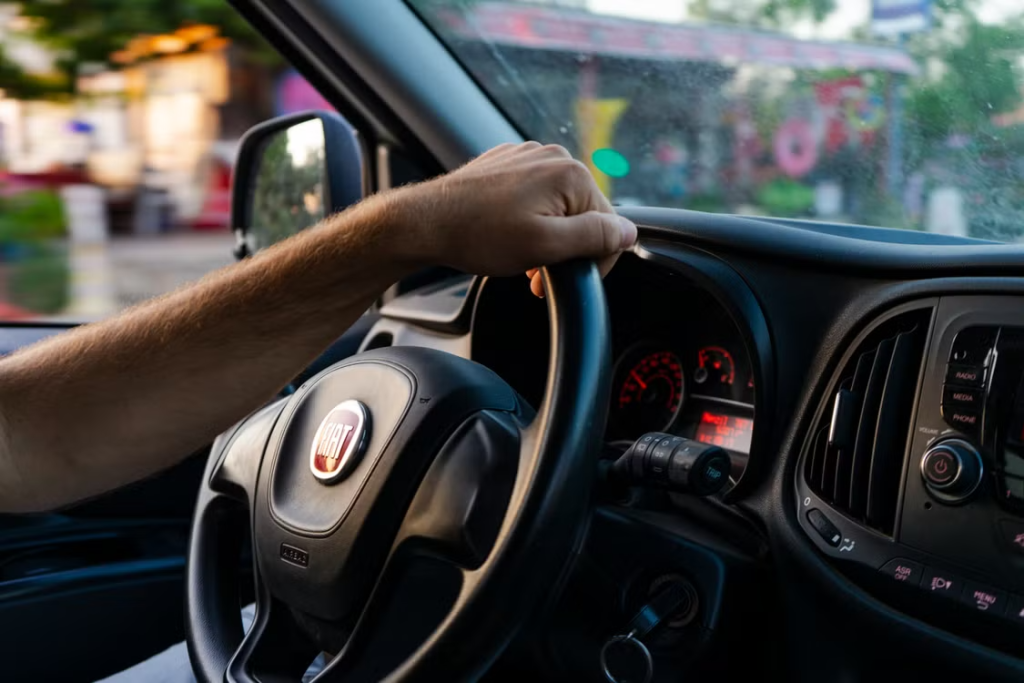
Managing drivers involves far more than simply assigning routes and hoping everything runs smoothly. Fleet managers and delivery businesses juggle plenty of schedules, vehicle availability, customer expectations, and traffic conditions. They also deal with unexpected delays every single day. When drivers stay organized and supported, deliveries tend to run more efficiently, customers are happier, and teams experience less stress. Keeping your drivers on track requires a combination of planning, communication, and the right tools. And it starts with you building the day before it begins.
Road to Success
Successful delivery operations often start long before the 1st vehicle leaves the depot. Many businesses rely on tools such as a great scheduling app for Amazon drivers or similar workforce management software to organize the shifts, allocate the routes, and communicate the schedule clearly. When drivers know where they need to be and where and when, the entire day begins with greater clarity. Last minute scheduling changes can create a lot of confusion, so establishing a clear plan ahead of time helps everybody to start the day feeling confident about what goes on, because preparation creates consistency and communication keeps everything moving.
Even the most carefully planned schedule can encounter unexpected challenges. Road closures, weather conditions, vehicle issues, and customer requests all affect delivery operations. When communication channels are strong, managers and drivers can respond quickly and minimize disruption. Regular updates, messaging systems and clear reporting procedures can ensure important information reaches the right people at the right time. Drivers who feel informed are often better equipped to handle changing situations. Route planning deserves attention, too.
Planning Makes Perfect
A poorly planned route can impact productivity throughout the day. Extra kilometres are necessary stops and inefficient sequencing increases fuel costs and reduces the number of successful deliveries completed. Effective route planning helps drivers to spend more time delivering and less time sitting in traffic or doubling back unnecessarily. Many businesses review route performance regularly to identify opportunities for improvement, though small adjustments can create meaningful gains over time for your business.
Drivers are often in the face of your business, so you need to support your drivers, not just manage them. They interact with the customers, they represent the company, and they handle many situations independently while on the road. Providing support goes beyond assigning tasks. It involves listening to feedback, addressing concerns, offering training, and recognizing strong performance. Drivers who feel valued are often more engaged and motivated in their roles. A positive workplace culture can help to have a direct impact on operational performance, and technology can provide useful visibility to this, as mentioned earlier.
Keeping drivers on track is not about controlling every aspect of the day, but about creating an environment where they have the tools to succeed. Through effective scheduling, you’ll be able to create delivery operations that run more smoothly and efficiently. When your drivers are set up for success, customers, employees, and the business will benefit. Looking after people remains one of the most effective ways that you can improve business performance.