
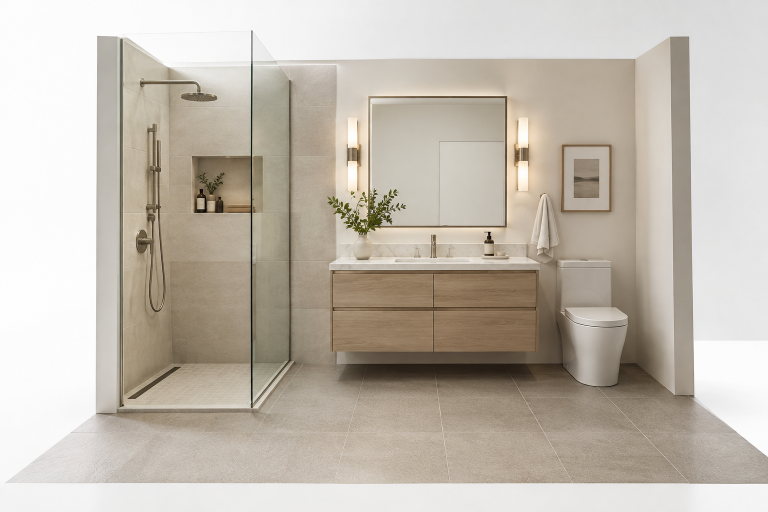
A bathroom remodel works best when it solves the problems you notice every day, not when it simply replaces old finishes. Slippery floors, dim lighting, a difficult tub step, crowded counters, and lingering humidity can all shape the decisions that matter most. Working with an experienced bathroom contractor can help turn those concerns into a layout and material plan that fits the room and the people who use it.
Start with the function before selecting tile colors or hardware. A well-planned bathroom can make bathing, dressing, cleaning, and storage more comfortable while helping protect the room from repeated exposure to water. The goal is a space that feels inviting and personal, not clinical or overdesigned.
Check How the Current Bathroom Works
Before choosing fixtures, observe the room during morning and evening routines and while cleaning. Measure wall lengths, door swings, fixture locations, and the clear paths between them. Note where water pools, where shadows make the floor hard to see, and which supplies are difficult to reach. Cracked caulk, peeling paint, soft flooring, stains, musty odors, and recurring leaks should be treated as repair priorities rather than cosmetic details.
Set Clear Remodeling Goals
A short, ranked list keeps the project from becoming a collection of disconnected purchases. Decide which needs come first, then use them to evaluate every layout, fixture, and finish choice.
- Safety: Reduce slipping hazards, awkward steps, and poor visibility.
- Comfort: Improve shower access, storage, and usable counter space.
- Maintenance: Limit difficult seams, tight corners, and fragile finishes.
- Moisture control: Address ventilation, leaks, and waterproofing details.
- Style: Select finishes that suit the home without overriding practical needs.
Plan Safer Shower Access
A tub, raised shower base, low-threshold shower, or level-entry design can each be appropriate depending on household routines, drainage, and available floor space. A lower entry may make daily use easier, but it must be paired with reliable waterproofing and a plan to keep water within the bathing area. Consider a handheld showerhead, a built-in seat, a properly placed curtain or door, and wall reinforcement if grab bars may be installed later. A bathtub can still be the better choice for households with young children or for people who regularly prefer to soak.
Choose Flooring for Wet Areas
Bathroom flooring should provide traction, water resistance, and support for realistic cleaning habits. Textured porcelain, matte tile, and bathroom-rated waterproof flooring may be easier to manage than highly glossy surfaces when water or soap is present. Avoid unnecessary changes in floor height, and choose grout color and joint spacing with maintenance in mind. If bath mats are used, keep them secure and away from primary walking paths.
Select Low-Maintenance Materials
Low-maintenance does not mean maintenance-free, but the right surfaces can reduce routine work. Large-format tile generally creates fewer grout joints than a small mosaic layout, while solid wall panels can minimize seams in some shower designs. Natural stone, glass, grout, painted cabinetry, and metal fixtures each have their own care needs. Request cleaning, sealing, and warranty instructions before ordering, and confirm that each product is intended for wet locations.
Improve Lighting and Visibility
One ceiling fixture often leaves shadows on the vanity, shower, and floor. Layered lighting provides the room with more useful coverage: general overhead lighting for the entire space, vanity lighting to reduce facial shadows, and wet-location-rated fixtures where required. A soft nighttime light can make late trips safer, while thoughtful placement helps limit glare from mirrors, polished tile, and reflective counters.
Control Moisture With Ventilation
Ventilation is one of the most important parts of a durable bathroom because it helps remove humid air created during bathing. The EPA advises that bathroom exhaust air should be directed outdoors rather than into an attic or another interior space, so verify the duct route and fan performance before closing walls. Use a timer switch or another reliable control, repair plumbing leaks before installing finishes, and ask how the shower walls, floor, corners, and penetrations will be waterproofed.
Add Storage That Reduces Clutter
Useful storage makes cleaning easier and preserves open floor space. Keep common toiletries between waist and shoulder height when possible, use drawer dividers for small items, and include a shower niche or shelf if wall construction allows it. Towel hooks near the bathing area can be more convenient than distant bars. Store medicines, cleaning products, and chemicals where children and pets cannot access them.
Plan for Future Household Needs
Future-ready features can look warm and contemporary. Lever-style handles, reachable controls, a handheld showerhead, brighter nighttime paths, and clear space around fixtures can support changing needs without changing the character of the room. The CDC includes bathroom-focused fall prevention measures such as improving lighting, reducing trip hazards, and adding grab bars where appropriate. Planning backing in the walls now can make future grab-bar installation simpler.
Build a Practical Remodeling Budget
A complete budget includes more than visible finishes. Compare detailed estimates that identify demolition and disposal, plumbing, electrical work, waterproofing, ventilation, lighting, fixtures, flooring, cabinetry, permits, cleanup, and warranty terms. Keep a contingency reserve for conditions discovered after demolition, such as water damage or subfloor repair.
Know When to Hire a Professional
Painting and replacing simple hardware may suit capable homeowners. Still, plumbing relocation, electrical changes, drainage work, waterproofing, structural repairs, and shower-glass installation require careful planning and may require qualified professionals. Ask who handles permits and inspections, verify insurance and licensing where applicable, request references, and confirm who will address warranty service after completion.
Conclusion
The strongest bathroom remodels begin with real routines instead of trend-driven purchases. By prioritizing access, flooring, lighting, storage, ventilation, waterproofing, and long-term usability, homeowners can create a bathroom that is calmer, safer, and easier to maintain for years to come.