
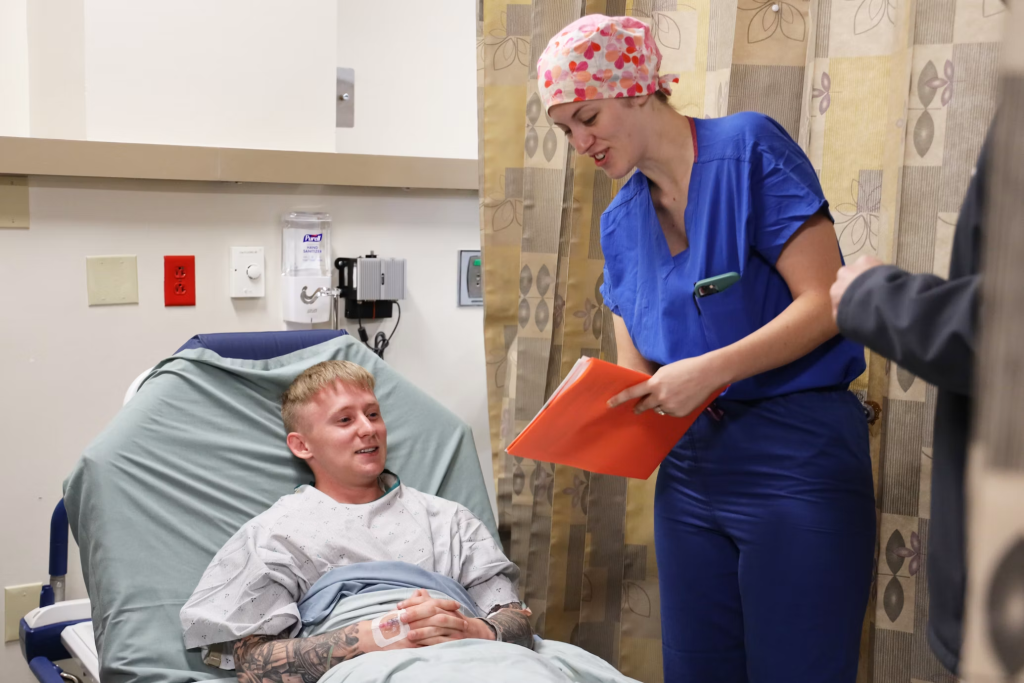
Many people looking for a new professional direction want careers that offer both stability and a sense of purpose. The healthcare industry consistently provides both, with a wide range of roles for individuals with different skills and interests.
If you’re considering a career change that lets you make a real difference in people’s lives, starting a path in healthcare could be ideal. It’s a field with clear entry points and significant opportunities to grow.
Why Healthcare Careers Thrive
The demand for qualified healthcare professionals is a long-term reality. Factors like an aging population and continuous advancements in medical treatments mean the healthcare sector is one of the fastest-growing parts of the economy.
The U.S. Bureau of Labor Statistics projects that employment in healthcare occupations will grow much faster than the average for all jobs, adding millions of new positions. This steady demand means strong job security for those working in the field.
Exploring Entry-Level Roles
You don’t always need a decade of schooling to get started in healthcare. Many entry-level positions offer a solid foundation and can lead to more advanced roles. Some easy starting points include:
- Phlebotomy Technician: Someone who specializes in drawing blood for tests, transfusions, or donations.
- Medical Biller and Coder: This person translates healthcare services into billing codes for insurance processing.
- Direct Care Worker: This role involves assisting individuals with disabilities or chronic illnesses with their daily activities. Many states offer resources to help people explore direct care worker career pathways and find training.
These roles let you enter the workforce quickly and gain valuable experience in a medical setting.
The Path to Medical Assisting
The Medical Assistant (MA) role is one of the most versatile and popular entry-level positions. MAs are essential to many medical practices, handling both administrative and clinical tasks. On any given day, a medical assistant might schedule appointments, update patient records, take vital signs, help with examinations, and prepare blood samples for the lab.
This role is a great way to get into the medical field because it gives you broad exposure to how a clinic or hospital operates. The journey often begins with specialized training. Enrolling in focused medical assisting courses is the most direct way to get the necessary qualifications and hands-on skills needed to succeed.
Essential Skills for Success
While technical knowledge is crucial, the most successful healthcare professionals also have strong soft skills. If you’re thinking about a healthcare career, focus on developing these qualities:
- Empathy and Compassion: Understanding and sharing patients’ feelings is at the core of good care.
- Communication: You need to listen to patients’ concerns and clearly explain information to them, their families, and other members of the healthcare team.
- Attention to Detail: In healthcare, small details matter greatly, from accurately recording patient information to correctly giving treatments.
- Composure Under Pressure: Medical environments can be fast-paced and stressful. Staying calm and focused is key to making good decisions.
Finding the Right Training Program
Once you’ve found a field that interests you, the next step is choosing the right training program. Look for accredited programs, as this is often required for certification and employment. A strong curriculum should balance classroom theory with practical, hands-on training in a lab setting.
Reviewing careers from the allied health jobs list can also give you a clearer sense of which roles match your interests and what training they require. Programs that offer externships and job placement assistance can further ease the transition from student to working professional.