
Retail stores succeed when every element works together with purpose. Products may draw people in, yet the experience inside the store determines whether they stay, explore, and return. Business owners benefit from understanding how layout, pricing systems, and presentation shape everyday operations.
Clear planning reduces friction, while practical systems support consistency across tasks such as stocking, labeling, and checkout. Attention to these essentials creates an environment that feels reliable without becoming complicated. Let us elaborate on the key elements that shape a well-functioning retail space.
Store Layout That Guides Customer Movement
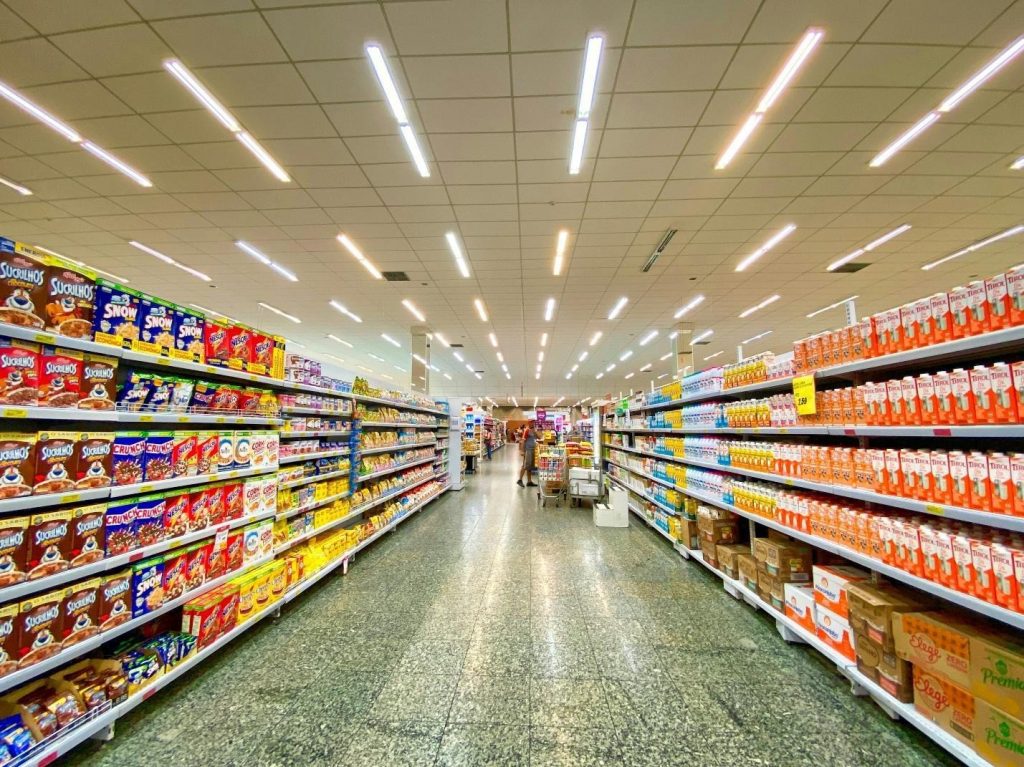
A well-planned layout allows customers to move through the store with ease. Clear walkways and thoughtful spacing prevent congestion while helping shoppers focus on what matters. Product placement plays a key role in shaping this experience. High-interest items placed at eye level tend to draw attention quickly, while related products positioned nearby encourage natural browsing.
Flow across the store should feel intuitive rather than forced. Sections that connect logically make it easier for customers to understand where to go next. A layout that feels open and organized often leads to longer visits and better engagement with products. Small adjustments, such as widening aisles or repositioning displays, can improve how the entire space functions.
Price Guns That Ensure Accurate and Consistent Labeling
Pricing accuracy builds trust and keeps operations steady. Handwritten labels or inconsistent tagging can create confusion, especially during busy hours. Reliable pricing tools help maintain clarity across all products while reducing the time spent on updates. Many retailers choose established brands that focus on durable and easy-to-use labeling equipment.
For instance, the Monarch 1158 price gun model offers labeling, smooth operation, durable construction, and consistent pricing accuracy for fast-paced retail environments. It features a one-line print design with up to eight characters, making it suitable for clear and efficient pricing across a wide range of products. Consistent labeling supports smoother checkouts and reduces the chances of disputes at the counter. Staff can focus on assisting customers instead of correcting pricing errors, which improves the overall flow of the store.
Inventory Management That Prevents Disruptions
Inventory control keeps a store balanced and prepared for demand. Stock levels that are too high can tie up space and resources, while low inventory leads to missed opportunities. A structured approach to tracking products helps maintain that balance. Systems that monitor sales patterns and highlight low stock levels allow owners to make timely decisions.
Organization within storage areas also makes a difference. Clearly labeled shelves and logical grouping reduce the time spent searching for items. Regular checks ensure that discrepancies are addressed early. A steady inventory process supports both efficiency and customer satisfaction without adding unnecessary complexity.
Visual Merchandising That Captures Attention
Presentation shapes how customers perceive products the moment they walk in. Clean displays with clear focal points help guide attention without overwhelming the space. Lighting, color coordination, and spacing all influence how items stand out. A well-arranged display can make even simple products feel more appealing.
Seasonal updates and small changes keep the store feeling active. Rotating featured items or refreshing layouts gives returning customers something new to notice. Visual balance matters, since crowded displays can reduce impact. A thoughtful approach to merchandising creates a sense of order that supports both browsing and decision-making.
Checkout Systems That Keep Transactions Smooth
Checkout represents the final stage of the shopping experience, which makes efficiency essential. Delays at this point can affect how customers remember their visit. A reliable point-of-sale system helps process transactions quickly while keeping records accurate. Clear pricing, responsive scanning, and flexible payment options contribute to a smoother process.
Staff familiarity with the system also plays an important role. Training ensures that transactions move without hesitation, even during busy periods. A well-managed checkout area reinforces the sense of organization that customers experience throughout the store.
Customer Service That Builds Long-Term Loyalty
Customer service shapes how people feel about a store long after they leave. A welcoming approach encourages customers to ask questions and explore products with confidence. Staff should understand the store’s offerings well enough to provide clear and helpful answers without sounding rehearsed.
Consistency matters in every interaction. A calm and attentive tone creates a sense of ease, which makes the environment more inviting. Customers tend to return to places where they feel respected and understood. Strong service builds familiarity over time, and that connection often leads to repeat visits and steady growth.
Security Measures That Protect Assets and Operations
Retail spaces require a balanced approach to security. Visible measures such as cameras and anti-theft systems help deter issues while maintaining a sense of order. Placement should feel purposeful so that the store remains comfortable for customers.
Staff awareness adds another layer of protection. Employees who stay attentive to their surroundings can identify concerns early and respond appropriately. Clear procedures also support quick action when needed. A secure environment protects inventory and ensures that daily operations continue without disruption.
Cleanliness and Organization That Enhance Experience
A clean and organized store reflects attention to detail. Customers often notice the condition of a space before focusing on the products themselves. Well-maintained shelves, clear signage, and tidy displays create a sense of reliability.
Regular upkeep prevents small issues from building into larger problems. Items placed in their proper sections make browsing easier and reduce confusion. Organization also supports staff efficiency, since everything remains easy to locate and manage. A structured environment allows the store to function smoothly while creating a pleasant experience for visitors.
Retail success grows through steady attention to the details that shape daily operations. Layout, pricing tools, inventory control, and presentation each play a role in how a store performs. Customer service, security, and cleanliness complete that foundation by supporting trust and consistency.
Business owners who focus on these essentials create a space that feels organized, efficient, and welcoming. A clear approach to these elements supports both immediate results and long-term stability, allowing the store to adapt and grow with confidence.