The idea of living off-grid appeals to many people who want greater independence, lower utility costs, and a closer connection to nature. Whether you’re building a remote cabin, converting an existing property, or creating a fully self-sufficient homestead, establishing an off-grid home requires careful planning and a realistic understanding of your needs. While the rewards can be significant, success depends on having reliable systems in place for energy, water, waste management, and everyday living.
Choosing the Right Location
The first step in setting up an off-grid home is selecting a suitable location. Consider factors such as access to sunlight, water availability, local climate, and the quality of the land. If you plan to grow food, you’ll want fertile soil and enough space for gardens or livestock. The location should also comply with local planning regulations and building codes. Accessibility is another important consideration. While some people dream of complete isolation, remember that you’ll still need occasional access to supplies, healthcare, and community services. A balance between privacy and practicality is often the best approach.
Establishing a Reliable Power Supply
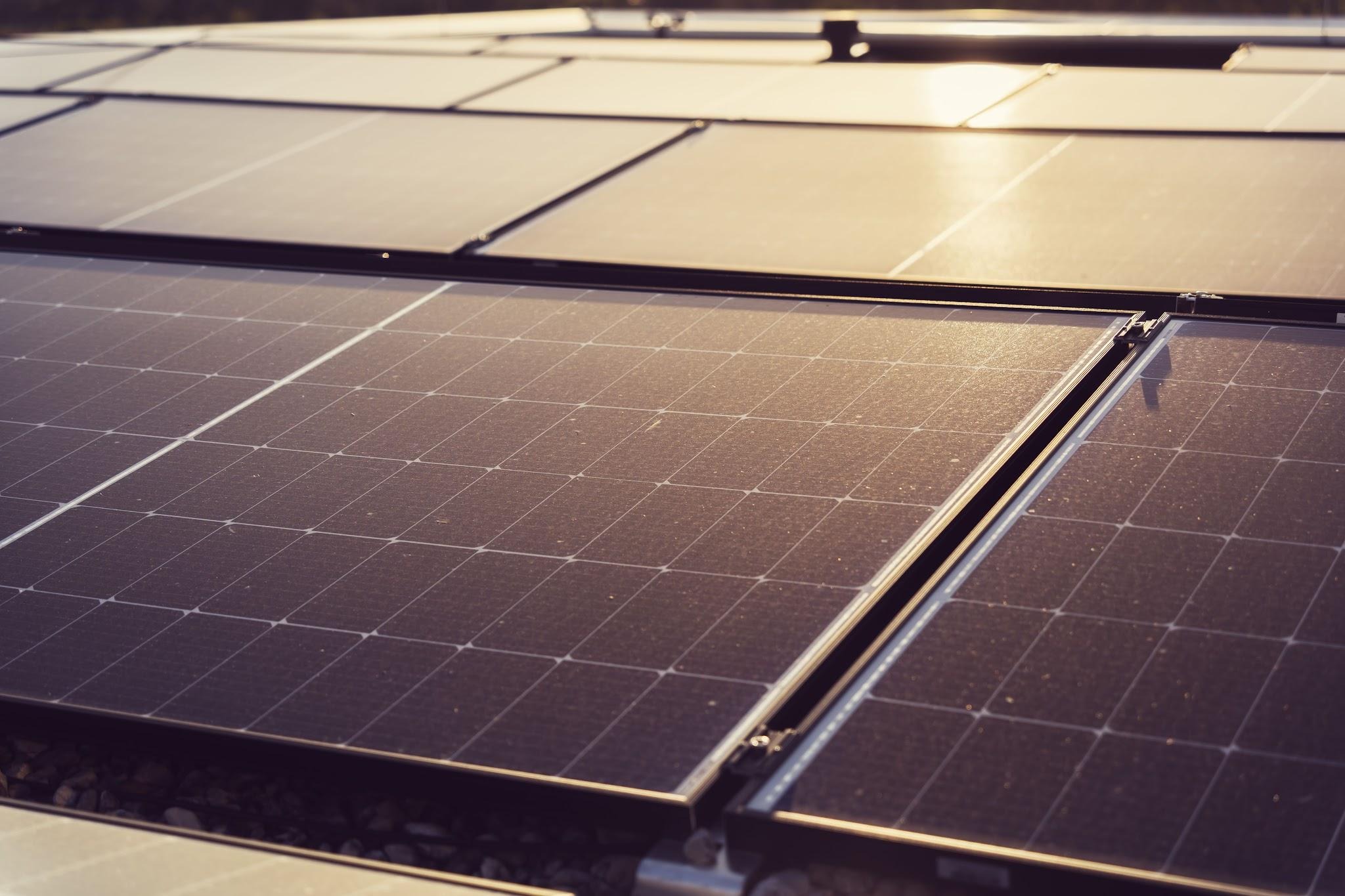
Energy independence is one of the defining features of an off-grid home. Solar panels are the most common choice because they are relatively easy to install and maintain. A well-designed solar energy system usually includes panels, batteries for energy storage, and an inverter to convert electricity into a usable form. Depending on your location, wind turbines or micro-hydroelectric systems may also be viable options. Many off-grid homeowners choose a combination of renewable energy sources to ensure a consistent supply throughout the year.

Securing Your Water Supply
Access to clean water is essential for any home, but it becomes even more critical when living off-grid. Common solutions include drilled wells, rainwater harvesting systems, and natural springs. Each option comes with its own costs and maintenance requirements. Water storage tanks help ensure a reliable supply during dry periods, while filtration and purification systems make collected water safe for drinking and household use. Testing water quality regularly is highly recommended, particularly when using natural sources. In some locations, abandoned mines can affect groundwater quality. Property owners in these areas may need to investigate mine water treatment solutions to remove contaminants and ensure water is suitable for domestic use. Proper treatment systems can protect both human health and the surrounding environment.
Managing Waste Responsibly
Without access to municipal services, waste management becomes your responsibility. Composting toilets are a popular choice among off-grid homeowners because they require little water and produce useful compost material when managed correctly. Greywater systems can also help reduce water waste by recycling water from sinks, showers, and laundry facilities for irrigation purposes. However, these systems must be designed carefully to comply with environmental regulations and prevent contamination.