
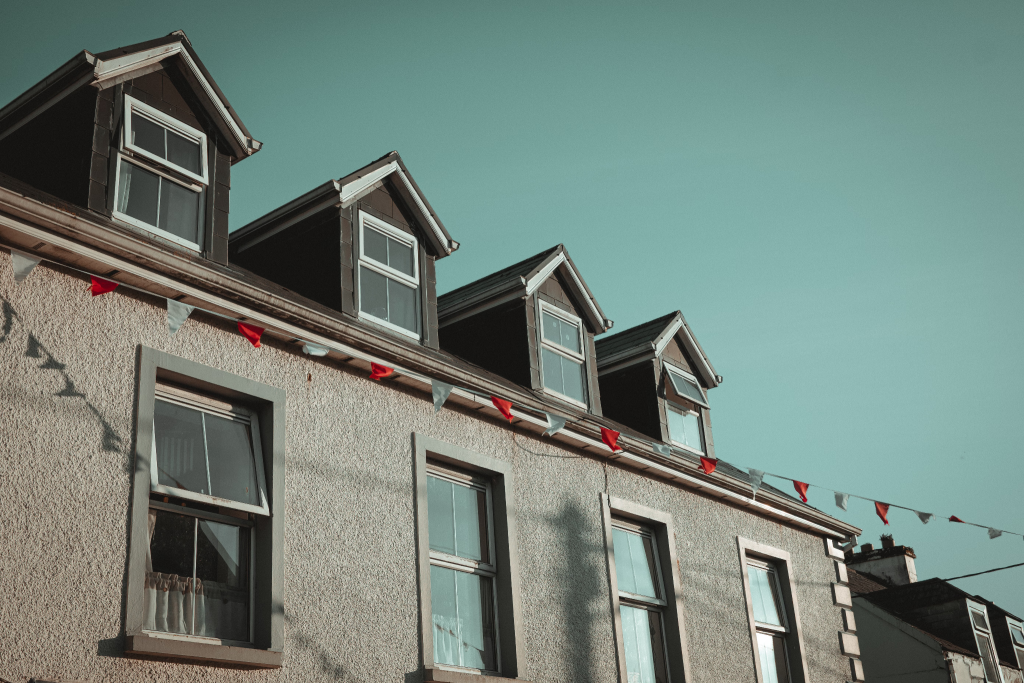
Windows do far more than frame the view. They influence how bright, open, and comfortable a room feels every day. If part of your home seems dark, cramped, or less inviting than it should, your windows may be a major reason. The good news is that you do not always need a full remodel to make a meaningful difference. With the right window upgrades and a few smart design choices, you can make your home feel lighter, warmer, and more welcoming.
That is especially true in Pittsburgh, where many homes reflect decades of architectural history. With a population of more than 300,000 and thousands of older homes throughout the city, homeowners often look for upgrades that improve natural light, comfort, and energy efficiency while preserving the character of their properties.
Start with windows
If a room still feels dim in the middle of the day, your windows may not be doing their job well. Older windows often have bulky frames, cloudy glass, or dated designs that reduce the amount of daylight entering the room. In many homes, they also let in drafts, which means even a sunny room can feel chilly and uncomfortable.
A good first step is to look at how much of the window is glass versus frame. Windows with larger glass areas usually allow in more natural light. If your current windows are outdated or simply not a good match for the space, expert guidance can help.
Hiring a local Pittsburgh window company can help you choose window styles that improve natural light, increase energy efficiency, and complement the character of your home.
The goal is not just to improve appearance. It is to make your home function better and feel better every day.
Notice the dark spots
Some parts of a house naturally gather more shadow than others. Hallways are common examples because they often have little or no direct window access. Upstairs bedrooms can feel boxed in when windows are small or tucked beneath rooflines. Kitchens may appear bright at first glance but still have gloomy areas if cabinets, thick frames, or outdoor obstructions interrupt the flow of light.
There are a few signs that your windows may be limiting a room. You may need to switch on lamps during the day. Corners may stay gray even on sunny afternoons. Paint colors, flooring, and fabrics may look flat rather than lively. One side of a room might feel cheerful while the other remains dull.
Walk through your home at different times of day and pay attention to where sunlight enters, where it fades, and which spaces stay dim no matter what. This simple evaluation can reveal which rooms would benefit most from updates.
Choose brighter styles
Some window styles are especially effective at bringing in more daylight. Picture windows are a strong option because they provide broad, uninterrupted glass surfaces. Double-hung windows remain a popular choice because they offer a classic look while still feeling practical and fresh. Sliding windows can work especially well in wider spaces where you want light spread across a larger section of wall.
If a room feels closed in, installing a larger window can make it feel more open without changing the entire layout. Even replacing a window with many divided panes with one that has cleaner, simpler lines can noticeably increase brightness. More visible glass also improves the outdoor view, helping the room feel less confined and more connected to the landscape beyond it.
You do not need to chase every trend. The best style is the one that fits your home, increases natural light, and stays easy to use in daily life.
Think beyond the glass
Glass matters, but it is only part of the equation. Frame thickness, trim color, window size, and placement all affect how much light enters and how far that light spreads. Thick, dark frames can make a window feel smaller and heavier than it is. Slimmer frames often make the opening appear larger. Light-colored trim can reflect daylight and help the room feel crisp and airy.
Placement matters just as much. A window that faces a favorable direction may provide steady daylight for much of the day. A window blocked by a porch roof, overgrown shrubs, or neighboring structures may struggle to brighten the room at all. If you are already remodeling, changing the size or position of a window can dramatically improve how sunlight moves through the space.
Simple design details also count. Clean lines reduce visual clutter. Lighter finishes help bounce sunlight farther into the room. Wider openings allow light to travel deeper into the interior instead of stopping near the wall.
Pair with room updates
Even the best window has limits if the room itself absorbs light. Paint color is one of the biggest influences on brightness. Soft whites, warm creams, pale grays, and other light earthy shades reflect daylight much better than dark tones. That does not mean every room must be white, but lighter walls usually create a noticeable lift.
Mirrors are another simple and effective tool. A mirror placed across from or near a window can reflect daylight deeper into the room and make the space feel larger. Window treatments matter too. Heavy, dark drapes can block more natural light than many homeowners realize, while sheer curtains or lighter fabrics can maintain privacy without sacrificing brightness.
Furniture placement also shapes the mood of a room. A tall bookcase, bulky chair, or large cabinet near a window can steal valuable light. Moving larger items away from the opening often helps a room feel more open and breathable. In many cases, it is the combination of these smaller updates that transforms a dim room into one that feels bright and inviting.
Balance beauty and comfort
A brighter room should not only look better. It should feel comfortable in every season. More sunshine is not much of a benefit if it comes with winter drafts or too much summer heat. That is why window performance matters as much as appearance.
Modern windows can bring in more natural light while also improving insulation. Energy-efficient glass can reduce heat loss, help regulate indoor temperatures, and make rooms more comfortable year-round. Properly fitted windows also cut down on drafts, which is especially important in older homes where cold air often gathers near walls and openings.
These improvements can change everyday living. A bright breakfast nook is much more enjoyable when it stays warm in January. A sunny living room feels more inviting when it does not overheat in summer. The best window upgrades improve both the beauty and livability of your home.