
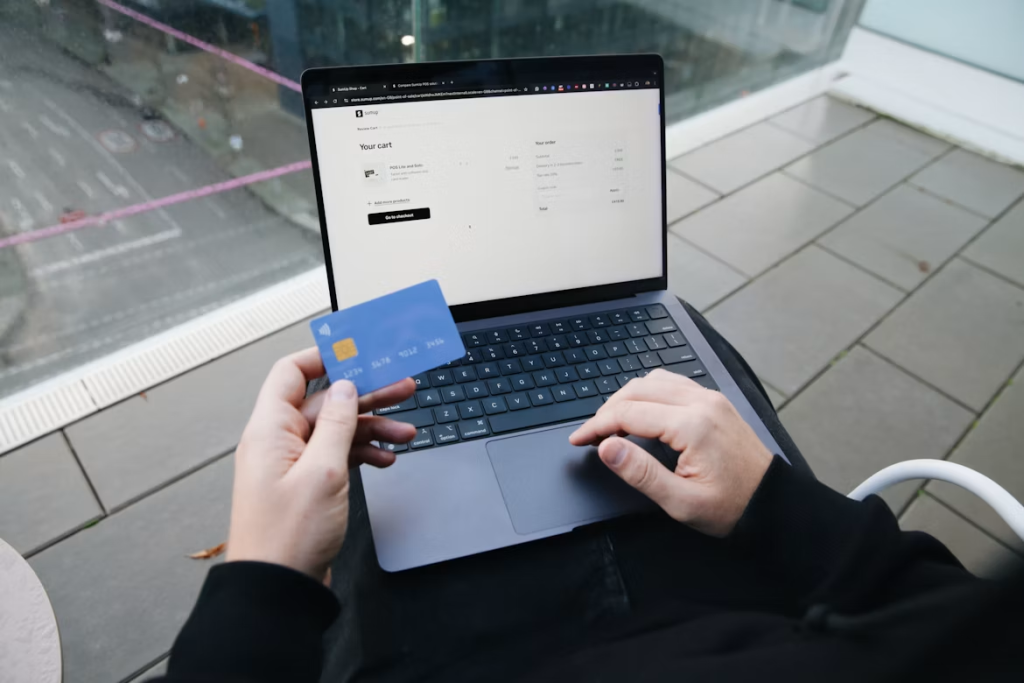
Moving your business online has opened up amazing opportunities, letting you reach customers all over the world and making sales much smoother. But this digital growth also brings big risks that aren’t always obvious.
For every good transaction, there’s a potential threat, and small businesses are increasingly becoming targets for clever fraud schemes. Knowing about these dangers is the first step to protecting your money and your good name.
Growing Online Presence for Businesses
These days, if you run a small or medium-sized business, you really need an online presence. An online store or service platform lets you connect with customers far beyond your local area, operate 24/7, and automate your sales. Digital payments are convenient for everyone, speeding up your cash flow and making bookkeeping easier.
This shift to digital has made things fairer, allowing smaller companies to compete with bigger ones. But with more opportunities comes more responsibility. As your online presence grows, so does your visibility to people looking to cause trouble. The very systems that make e-commerce so efficient can also become weak points if they’re not properly secured.
Common Fraud Schemes Targeting Businesses
Fraudsters use all sorts of tricks to exploit businesses, and they’re always coming up with new ones. One common type is chargeback fraud, where a customer buys something, then tells their bank they didn’t authorize the charge to get their money back, but keeps the product. Other threats include phishing scams that try to trick your employees into giving up sensitive login details or financial info.
Many businesses also get hit by invoice fraud, where criminals send fake bills for services that were never provided. These schemes can be devastating, not just because you lose money directly, but also because they can damage your relationships with banks and payment processors. Understanding these common business scams is key to building a good defense.
Protecting Your Business Payments
Making your payment process secure is your first line of defense against online fraud. Just using a basic payment plugin isn’t enough anymore. Modern businesses need several layers of protection that actively watch for and flag suspicious activity. This all starts with picking a payment processor that offers strong security features.
Look for services that use tokenization, which swaps out sensitive card data for a unique, non-sensitive token. Plus, a powerful card fraud detection solution can check transactions in real-time, using AI to spot patterns that point to fraud. These tools work behind the scenes to stop bad actors before a transaction even goes through, protecting your income without messing up the customer experience.
Steps for Secure Digital Operations
Beyond your payment gateway, how well you manage your overall digital security makes a huge difference. The impact of fraud on businesses isn’t just about lost money; it can hurt your brand’s reputation for years. Putting a few key practices in place can really lower your risk.
- Use Strong Passwords and 2FA: Make sure all internal systems require complex passwords and turn on two-factor authentication (2FA) wherever you can. This adds a crucial layer of security against unauthorized access.
- Train Your Staff Regularly: Your team is your first defense. Do regular training on how to spot phishing emails, check suspicious requests, and handle customer data safely.
- Keep Software Updated: Always run the newest versions of your e-commerce platform, plugins, and other business software. Updates often include fixes for new security holes.
- Limit Access: Not everyone needs access to every system. Follow the rule of least privilege, meaning you only give access to data and tools when someone absolutely needs it for their job.
Building Customer Trust Online
Security isn’t just an internal thing; it’s a great way to build trust with your customers. Shoppers are more aware than ever about online risks, and they want to know their personal and financial information is safe with you. When you clearly show that security is a priority, you’re telling customers you value and respect them.
Putting trust badges from security companies or payment processors on your checkout page can immediately boost credibility. Having a clear, easy-to-understand privacy policy also shows you’re transparent. When customers feel safe, they’re more likely to finish a purchase and become loyal, repeat buyers. Ultimately, putting money into security is putting money into customer loyalty.
Protecting your online business from fraud is an ongoing effort, not a one-time fix. Staying informed and using strong security measures helps you keep your operations safe and continue to grow confidently.