In today’s business landscape, it’s no longer enough to rely on a single touchpoint to reach your customers. People shop in different ways depending on their needs and convenience, whether through physical stores, online marketplaces, social media, or brand websites. This shift has made multi-channel selling an essential strategy, where you offer your products or services across several platforms so customers can engage and purchase through their preferred channel. When done well, it helps expand your reach, increase sales opportunities, and create a smoother customer experience.
That said, managing multiple channels comes with its own set of challenges. Keeping inventory in sync, maintaining consistent pricing, and delivering a unified brand experience can become more complex as you grow your presence across platforms. Thankfully, these hurdles are manageable with the right approach. Whether you’re just getting started with multi-channel selling or looking to refine your current strategy, here are some practical tips worth keeping in mind:
1. Use the Right Invoicing Tools for Your Online Channels
Efficient payment management is a key part of running a smooth multi-channel operation. A reliable invoicing system helps you handle transactions across multiple platforms without confusion. Look for tools that support invoice payment online, allowing customers to settle their dues quickly while giving you the flexibility to accept various payment methods such as credit and debit cards, bank transfers, QR Ph, and e-wallets. This not only improves convenience but also ensures invoices are accurate and sent promptly.
The best thing about online invoicing tools is that they can work even if you don’t have a website yet, making them perfect for those just branching out. For example, if you sell on different social media platforms, you can use the same invoicing tool to send digital invoices with payment links, allowing your customers to complete their purchases effortlessly while ensuring easier tracking on your end.
2. Centralize Your Inventory Management


Selling on multiple platforms can make it difficult to stay on top of stock levels. A centralized inventory system allows you to monitor product availability in real time, helping you avoid overselling or running out of stock unexpectedly. This keeps your operations organized and reliable.
With a unified system in place, updates made after a sale on one channel automatically reflect across all others. This ensures customers always see accurate stock information, which helps maintain trust and prevents order cancellations due to unavailable items.
3. Keep Pricing and Product Information Consistent
Consistency is essential when managing multiple sales channels. After all, customers often compare products across platforms, and differences in pricing or descriptions can create confusion or hesitation. Standardizing your product details ensures a smoother and more professional buying experience.
One way to do this is to create a master product list that includes prices, descriptions, and images for every item you sell. Whenever there’s a change in your physical store, such as a price adjustment or new product details, update the master list and ensure the same changes are reflected across your website, online marketplaces, and social media shops. This keeps all channels consistent and helps customers trust your brand while making confident purchases.
4. Streamline Order and Fulfillment Processes
Without a clear process, handling orders from different channels can quickly become overwhelming. Establish a structured workflow for order confirmation, packing, and shipping to ensure efficiency and reduce delays. For instance, you might assign specific days for packing orders from different platforms or use color-coded labels for each channel, so your team can process orders faster and avoid mix-ups as sales volume grows.
You can also use tools that consolidate orders from various platforms into a single dashboard. This makes it easier to manage everything in one place and track shipments, ensuring that you consistently meet delivery timelines.
5. Maintain a Unified Brand Experience
Even if you’re present on different platforms, your business should feel consistent wherever and whenever customers interact with you. This includes your messaging, visuals, and overall tone. A cohesive brand experience makes your business more recognizable and trustworthy.
Consistently applying the same logo, product images, and tone of voice across your website, social media pages, and online stores creates familiarity for customers. When people recognize your brand no matter where they encounter it, they’re more likely to engage and complete a purchase.
6. Leverage Data from Each Channel

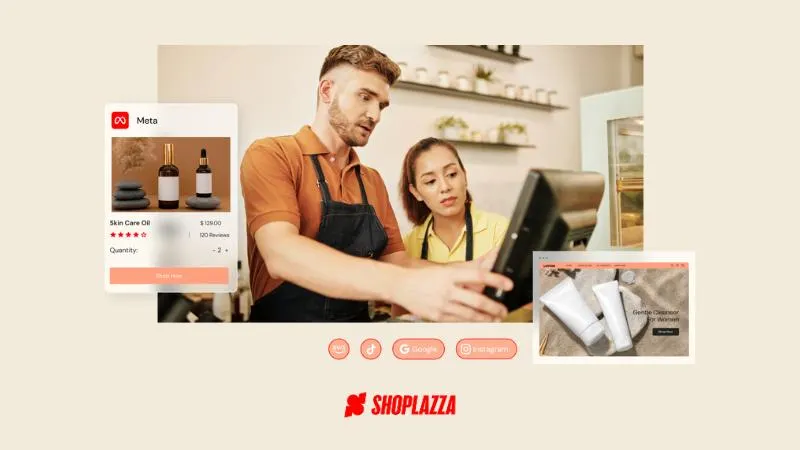
Each platform you use provides valuable insights into customer behavior and preferences. Reviewing data such as sales trends and customer feedback helps you understand what’s working and where improvements are needed. For instance, you might notice that certain products sell better on social media, while others perform more strongly in your physical store or official website.
These insights can guide your decisions, such as which products to promote or which channels to prioritize. Over time, using data effectively allows you to refine your strategy and maximize the performance of each sales channel.
7. Provide Responsive Customer Support
Customers often reach out through different platforms with their questions or concerns, depending on their preferences. Being responsive across all these touchpoints is essential for building trust and encouraging repeat business. Prompt replies can also help turn inquiries into completed sales.
To support this, make sure you have a system for managing messages from various channels, whether through chat tools or a shared inbox. This ensures no customer concern is missed and helps you maintain a reliable and professional presence.
Making Multi-Channel Selling Work
Seamless multi-channel selling is about creating a smooth and consistent experience for your customers, no matter where they choose to engage with your business. By putting the right systems and strategies in place, you can simplify operations while expanding your reach and sales potential. With a thoughtful approach, turning multiple channels into a cohesive and effective growth strategy is well within reach.