Weird but Useful Ways to Keep Pests Out of Your Home
Pest control does not always have to start with sprays, traps, or major treatments. Sometimes, the weirdest everyday habits, plants, scents, and household tricks can make your home less inviting to pests before they become a bigger problem.
Why You Should Keep Pests Out Early
Keeping pests out early protects your home, health, and budget. Pest prevention matters because most infestations begin quietly. A home does not usually go from pest-free to overrun overnight. Many pests start as a small nuisance, then quickly become a larger issue once they find food, water, shelter, or nesting space.
A few ants near a window can lead to a trail into the pantry. One mouse in the garage can become a family nesting behind insulation.A small moisture problem can attract roaches, silverfish, termites, or other pests that thrive in damp spaces, making early roach control especially important before the problem spreads. It starts with a small opening, a reliable water source, a warm hiding place, or a food pattern pests learn to return to.
Many pests are excellent at following repetition. Ants come back to the same trail. Mice revisit the same wall gap. Roaches hide near the same moisture source. Once pests learn that your home gives them something dependable, they become harder to discourage.
Early prevention also helps avoid hidden damage. Rodents can chew wiring, insulation, stored items, and even plumbing materials. Termites, carpenter ants, and wood-boring insects can weaken structural wood long before homeowners notice visible signs. Cockroaches, flies, and rodents can contaminate food surfaces and worsen allergy or asthma symptoms for some people.
The best time to deal with pests is before they settle in. Sealing entry points, removing attractants, and watching for warning signs can prevent the stress and cost of a full infestation. Early prevention breaks the pattern before pests establish routes, nests, breeding areas, or feeding habits. It also protects parts of the home homeowners rarely inspect, such as wall voids, crawl spaces, attic insulation, cabinet backs, floor gaps, and utility penetrations.
Pest prevention is less about reacting to bugs and more about making the home harder to enter, harder to nest in, and less rewarding to explore. The goal is not only to protect the home. The goal is to keep your home from becoming predictable to them.
Weird Habits That Keep Pests Away
Some of the most effective pest-prevention habits are small routines that people rarely think about. Wiping condensation from window sills, for example, can help reduce moisture that attracts ants, silverfish, roaches, and mold-loving insects. Shaking out reusable grocery bags before storing them can prevent crumbs from collecting in closets or cabinets. Rinsing recyclables before placing them in the bin can reduce odors that attract flies, ants, and rodents.
Another useful habit is rotating stored pantry goods instead of letting dry food sit untouched for months. Flour, cereal, pet food, birdseed, rice, and pasta can attract pantry moths, beetles, and mice when they are stored loosely or forgotten. Keeping rarely used items in sealed containers makes a big difference and can help keep pests away from food storage areas.
Homeowners can also create a “doorway check” routine. Look at thresholds, weatherstripping, door sweeps, and nearby light fixtures once a month. Tiny gaps, torn screens, and porch lights that draw insects toward entry points can quietly turn doors and windows into pest highways. Even moving pet bowls away from exterior doors at night can help reduce pest activity near the home’s easiest access points.
One overlooked habit is changing how you clean corners, not just counters. Pests often use edges to travel because baseboards, cabinet seams, and wall-floor junctions give them cover. Vacuuming along baseboards, under toe-kicks, behind pet bowls, and around appliance edges can remove crumbs, eggs, shed skins, and scent trails.
Another useful habit is doing a “night reset” in the kitchen. Many pests are active when the house is dark and quiet. Before bed, dry the sink, close the dishwasher fully, wipe the stove edge, put pet food away, and take out food scraps. A kitchen that looks clean at noon can still be attractive to pests at midnight if moisture and food residue remain.
It also helps to disturb undisturbed spaces. Pests love items that sit untouched for months: storage bins, shoe racks, reusable bags, cardboard boxes, holiday decorations, and basement shelving. Moving and checking these areas a few times a year makes them less useful as hiding places and helps keep pests away before they settle.
Another unusual habit is treating deliveries as a pest risk. Cardboard boxes, grocery bags, plant pots, and secondhand furniture can carry insects, egg cases, or pantry pests. Breaking down boxes quickly and inspecting items before storing them can prevent pests from being brought indoors accidentally.
Flowers That Keep Pests Away


Several flowers that keep pests away are useful around high-traffic outdoor areas because their scents can help discourage certain insects while adding color to the landscape. Instead of thinking of pest-repelling flowers as a magic shield, use them as part of a “buffer zone” around entry points. The most useful flowers are aromatic, easy to maintain, and suitable for containers or borders near places where pests pause before entering.
Marigolds are one of the most popular options. Their strong scent is often used around garden borders, patios, porch steps, and vegetable beds to help deter mosquitoes, aphids, and some garden pests, making them a simple addition to a natural mosquito control plan. Lavender is another excellent choice near patios, walkways, sunny windows, and window boxes. Many people enjoy its fragrance, while mosquitoes, moths, fleas, flies, and certain flying insects tend to avoid strong aromatic plants.
Chrysanthemums contain pyrethrins, compounds used in many pest-control products, and can be planted in garden beds or containers near outdoor sitting areas. Nasturtiums can be especially useful as a “trap crop” because they attract certain pests away from more valuable plants. Petunias are often used around vegetable gardens, borders, and patio edges because they may help discourage aphids, squash bugs, and other soft-bodied insects. Geraniums, especially scented varieties, can work well in pots near doors, patios, balconies, and can be moved as needed.
For best results, place these flowers that keep pests away where pests are likely to gather: near porch steps, patio edges, garden borders, window boxes, around outdoor dining areas, and other transition zones. The key is placement. Put pest-discouraging flowers where the patio meets the door, where landscaping touches the foundation, where trash paths cross walkways, or where people carry food outdoors. Healthy, well-spaced plants usually perform better than overcrowded plantings, because good airflow helps reduce the damp conditions that many pests enjoy.
Flowers that keep pests away are most helpful when they make these pest-prone edges less inviting.
Best Plants To Keep Pests Away
The best plants to keep pests away are usually aromatic herbs and hardy flowers that release strong natural scents. The best pest-prevention plants are the ones that match the weak points around your home. A plant near the wrong area may look nice but do very little. A plant near a pest pathway can be more useful.
Basil can be placed near kitchen windows, outdoor dining areas, and patio containers where flies are most annoying. Mint has a strong scent that pests often avoid, but it spreads aggressively, so it is best kept in pots near doors, patios, garage entrances, and porch steps. Rosemary works well in sunny containers near walkways, decks, grilling areas, and seating areas. Its woody scent can help deter mosquitoes and some flies. Thyme can be used in garden borders, between stepping stones, or near sunny entryways.
Lemongrass and citronella grass are popular choices for patios and seating areas because their citrus-like scent is associated with mosquito deterrence. They can be placed in large containers around decks and outdoor lounge areas. Lavender is ideal near windows, porches, garden paths, and patio borders. Sage can be planted in sunny beds or pots around outdoor entertaining spaces. Catnip may help repel mosquitoes and flies, although it can attract cats, so placement matters.
When choosing plants to keep pests away, think about the areas where pests already gather. For garden edges, use marigolds, nasturtiums, thyme, sage, and petunias to create a mixed border. Around trash zones or compost areas, use sturdy potted herbs rather than delicate flowers, because these areas need plants that tolerate heat, odor, and frequent disturbance.
The best locations are the places pests already use as staging areas: exterior doors, windows, trash storage zones, patio edges, garden borders, foundation beds, outdoor seating areas, patio corners, outdoor dining spots, and pathways from trash bins to the house. A smart layout is better than scattering plants randomly. Plants to keep pests away work best as part of a larger prevention plan. They can help reduce pest pressure, but they should be paired with sealed gaps, clean surfaces, dry conditions, and regular yard maintenance.
Scents That Help Keep Pests Out Of Home

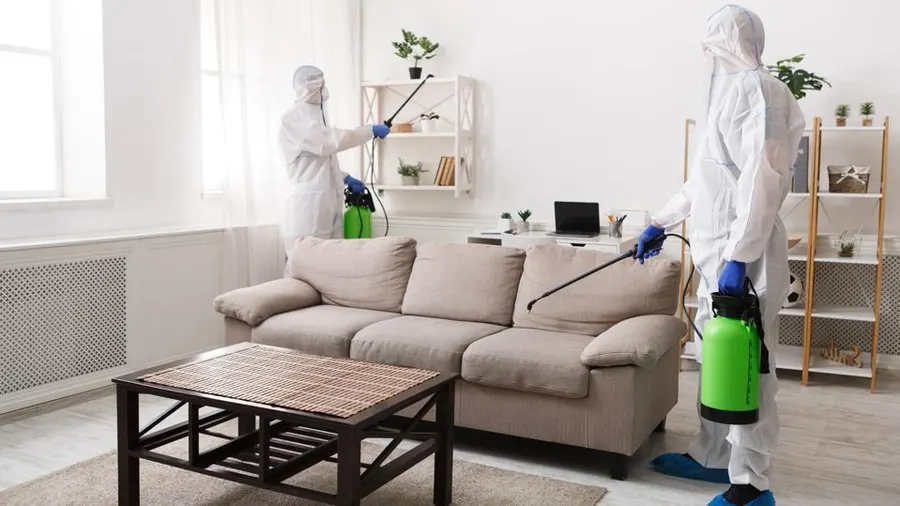
Strong scents can interfere with the way some pests search for food, follow trails, or identify nesting areas. Ants, flies, mosquitoes, moths, spiders, and rodents rely heavily on scent cues. They follow food odors, moisture cues, pheromone trails, nesting smells, and the scent of decaying organic matter. Using certain smells around entry points, storage areas, and cleaning zones can make those areas less inviting.
Herbs such as mint, rosemary, basil, thyme, and lavender can be placed in pots near windows, doors, patios, and outdoor seating areas. Citrus peels can be used temporarily in garbage areas or near outdoor bins to reduce odors and add a fresh scent, although they should be replaced often so they do not rot or attract fruit flies. Vinegar is useful as a cleaning aid because it can help erase ant scent trails on counters, floors, and window sills. It does not solve an ant problem by itself, but it can help erase the chemical path ants use to guide others.
Essential oils such as peppermint, cedarwood, citronella, eucalyptus, lavender, and tea tree are often used in homemade pest-prevention sprays. They should be treated as short-term scent tools, not full pest control. They should be diluted properly and used carefully, especially around pets, children, food surfaces, sensitive materials, and porous materials. Essential oils are concentrated and can irritate skin, harm pets, or damage finishes when used carelessly.
Natural scents are most helpful for light prevention and maintenance. They are not a reliable solution for active infestations, hidden nests, termites, bed bugs, or widespread rodent activity. Their real value is in making clean, sealed, well-maintained areas even less attractive to pests.
The most effective way to use scents is after cleaning. A strong smell placed over crumbs, grease, pet food, or standing water will not help much. Remove the attractant first, then use scent as a finishing layer to keep pests away from areas they might otherwise revisit.
Odd Items That Keep Pests Away
A few everyday household items can be surprisingly useful for pest prevention when used correctly. Some household items work because pests dislike certain textures, smells, or unstable surfaces.
Steel wool is one of the most practical examples. It can be tucked into small gaps around pipes, utility lines, and garage corners before sealing over the area with caulk or foam. Rodents have a much harder time chewing through steel wool than soft materials.
Coffee grounds can be sprinkled in outdoor garden areas or near certain problem spots as a temporary scent barrier, especially where ants are active. Cucumber peels are sometimes used near ant-prone areas because some ants dislike the bitter compounds in cucumber skin. Bay leaves can be placed inside pantry containers or on shelves to help discourage pantry pests, though they should not replace airtight storage.
Dryer sheets are sometimes used in storage bins, luggage, or seasonal boxes because their strong fragrance may discourage some insects from settling in. Chalk lines or baby powder may temporarily interrupt ant trails because they disrupt scent tracking and create a powdery barrier. Aluminum foil or reflective tape can help discourage some birds from nesting near ledges, balconies, or covered entry areas.
A strip of petroleum jelly on outdoor planter stands or patio table legs can make it harder for ants to climb, especially when the source is a container plant or hummingbird feeder. Double-sided tape can be used temporarily around suspected crawling-insect routes to monitor where pests are traveling. It is not a long-term fix, but it can help reveal the path. Mesh produce bags can be reused to hold citrus peels or herbs near outdoor bins, allowing scent to spread without leaving loose scraps around.
Even a simple hair dryer can be useful after cleaning a damp cabinet, window track, or under-sink area. Drying hidden moisture quickly can make the area less appealing to pests that depend on damp conditions.
These items work best as short-term deterrents, small support tactics, or monitoring methods. They should not be treated as permanent pest control or substitutes for sealing gaps, removing food sources, and fixing moisture problems. If pests have food, water, warmth, and access, they will usually find a way around mild scent or texture barriers.
Simple Fixes That Keep Pests Out
Lighting, moisture, and airflow have a major effect on pest activity. They shape the pest environment around your home because pests respond to comfort. A damp, still, brightly lit entryway can attract insects outside and support pests inside.
Many insects are drawn to bright exterior lights, especially lights placed directly above doors and windows. Exterior lighting should pull insects away from the house instead of gathering them at the door. Switching to warmer-colored bulbs, using motion-activated lights, avoiding bright lights left on all night, and moving lights farther away from entry points can reduce the number of insects gathering near the places they can slip indoors.
Moisture control is one of the most important pest-prevention steps. Roaches, silverfish, centipedes, mosquitoes, termites, and many ants are attracted to damp areas. Many pest problems begin near a slow leak, wet sponge, sweating pipe, clogged gutter, damp crawl space, overwatered plant, or poorly ventilated bathroom. Fixing leaky pipes, drying wet basements, cleaning gutters, using bathroom fans, and emptying plant saucers can remove the water sources pests need. Even small changes, such as leaving cabinet doors open under a sink after a leak, can help an area dry faster.
Good airflow also makes the home less inviting by preventing hidden damp pockets. Stagnant air allows humidity to build up in closets, basements, bathrooms, attics, and laundry rooms. Fans, vents, dehumidifiers, open interior doors, and occasional open closet doors can help reduce damp areas where pests like to hide. In storage areas, keeping boxes slightly off the floor and away from walls improves air circulation and makes pest activity easier to spot.
A dry, well-ventilated, thoughtfully lit home gives pests fewer reasons to gather, nest, or move inside. A home with dry surfaces, moving air, and less insect-attracting light gives pests fewer places to rest, breed, and hide. These simple fixes can also help keep pests out of home spaces that are often overlooked, such as cabinets, closets, laundry rooms, and entryways.
Yard Tricks To Keep Pests Out Of Home
Outdoor maintenance is one of the strongest defenses against indoor pest problems. Outdoor pest prevention works best when you think of the yard as the home’s first defense layer. Pests often move indoors from nearby shelter, food, or moisture.
Start by keeping the foundation edge clean and visible. Trim shrubs, vines, and tree branches away from the house so they do not touch siding, windows, rooflines, or vents. Plants that touch the home can give ants, spiders, roaches, and rodents a direct path inside. Keeping a clear gap around the foundation also makes it easier to spot mud tubes, burrows, nests, and entry points.
Mulch should be kept several inches away from the foundation, especially around doors, crawl space vents, and basement windows. Thick, damp mulch can attract termites, ants, earwigs, and other moisture-loving pests. Avoid letting mulch, leaves, stacked wood, dense plants, or stored items sit directly against the house. This narrow zone should be dry, open, and easy to inspect. Gravel or stone near the foundation may be a better option in areas with recurring pest issues.
Manage water movement carefully. Gutters should be cleaned regularly so water does not spill down walls or pool near the foundation. Extend downspouts away from the foundation, empty containers that collect rainwater, and correct low spots where water sits. Standing water in clogged gutters, plant saucers, buckets, toys, birdbaths, and low spots can attract mosquitoes and other pests.
Firewood, lumber, cardboard, and yard debris should not be stacked against the home. These materials create shelter for rodents, spiders, ants, termites, and beetles. Pay attention to outdoor clutter such as plant trays, unused pots, children’s toys, tarps, and garden debris. Store firewood away from the house and off the ground. Trash bins should be sealed, rinsed when needed, and kept away from doors and garage entrances when possible.
It also helps to inspect weatherstripping, door sweeps, screens, vents, and foundation cracks each season. Another smart trick is to inspect the “utility belt” of the home: where cables, pipes, vents, AC lines, hose bibs, and exhaust openings enter the structure. These small gaps are some of the most common pest access points, and they are easy to miss during normal cleaning. Outdoor prevention works best when the area around the home is clean, dry, open, and difficult for pests to use as cover. A yard that is maintained this way can help keep pests out of home interiors before they find a reliable path inside.
When You Can’t Keep Pests Away Naturally


Natural and unusual pest-prevention methods are useful for discouraging occasional pests, reducing attractants, and supporting a clean home environment. They are helpful for prevention, light activity, and making the home less attractive to pests. They are not enough when pests are already nesting, multiplying, damaging materials, or returning despite repeated prevention efforts.
Homeowners should consider professional help when they see signs of termites, carpenter ants, bed bugs, recurring cockroaches, rodents, wasp nests near living areas, or unexplained droppings, since issues like bed bug treatment usually need proper identification and targeted care. Other warning signs include scratching noises in walls, chewed wires or packaging, mud tubes, damaged wood, shed insect skins, strong musty odors, gnaw marks, damaged food packaging, hollow-sounding wood, live roaches during the day, or pests appearing repeatedly after cleaning and sealing. These signs usually mean the issue is beyond a few wandering pests.
Professional help is also important when the source is hidden. Pests may be nesting inside walls, crawl spaces, attics, insulation, drains, appliances, or foundation gaps. A homeowner may see ants on a counter, but the colony may be outside under a slab. Roaches may appear in a bathroom, but the moisture source may be behind a wall. Mice may show up in a pantry, but the entry point may be near the garage, attic, or utility line. Surface sprays and scent-based methods will not solve a problem that is being fed by a nest, leak, structural gap, or food source the homeowner cannot access.
A pest control professional can identify the pest, find entry points, locate nesting areas, recommend targeted treatment, and help prevent the issue from returning. Natural methods can remain part of the plan after treatment, but serious pest problems need proper identification, source control, and a complete solution that addresses the source, not just the visible pests. The most effective plan finds out what the pest is, where it is entering, why it is staying, and what conditions are allowing it to return.