
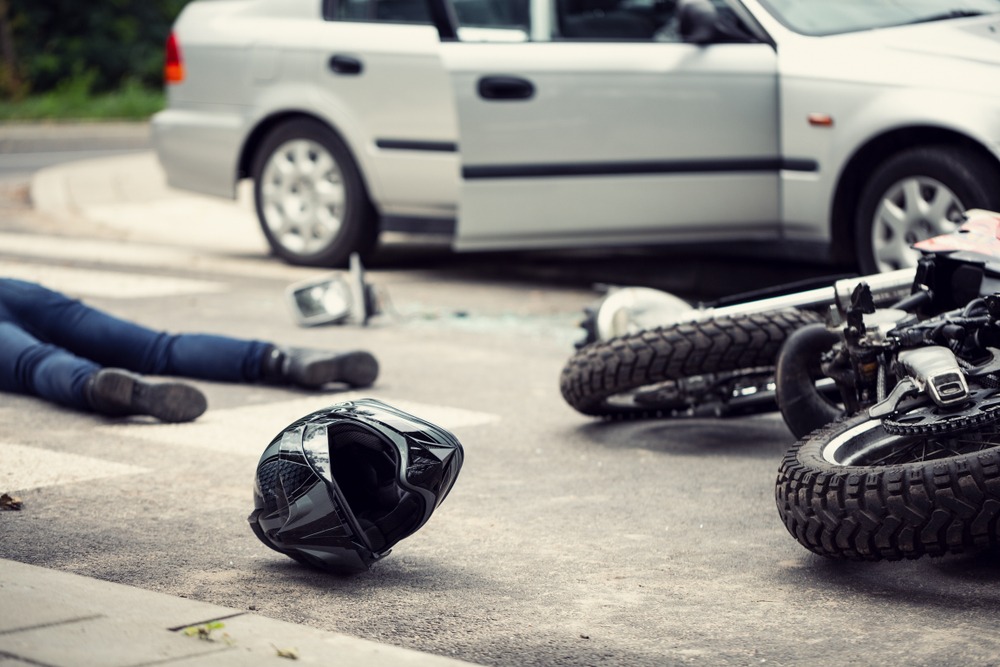
A broken road can demand a perfect reaction in seconds. Potholes, loose gravel, standing water, missing signs, and uneven pavement can turn an ordinary ride through Bradenton into a serious crash. Motorcyclists are exposed because two wheels leave less room for error.
A rider may follow traffic rules and still lose control because the road was unsafe. Speaking with a Bradenton motorcycle accident lawyer often starts with one central question: who controlled the road, knew about the hazard, and failed to correct it?
Who May Be Responsible for the Poor Road Condition?
Responsibility depends on where the crash happened, who managed it, and how long the danger existed. More than one party may share blame in some cases.
A City, County, or State Agency
A public agency may be connected to the crash if it controlled the road and failed to repair a known danger. This may include deep potholes, broken pavement, poor drainage, faded markings, or missing warning signs.
The key issue is whether the agency knew about the problem. Past complaints, inspection records, repair requests, and earlier crashes may help show that the hazard was not new.
A Road Construction Company
A contractor may be responsible if road work created the unsafe condition. Loose gravel, raised surfaces, open cuts, misplaced barriers, and missing temporary signs can be especially dangerous for motorcycles.
Construction companies are expected to keep work areas safe. They may also need to warn drivers and riders about sudden changes in the road surface.
A Private Property Owner
Some crashes happen on private roads, shopping center entrances, parking lots, apartment grounds, or business property. In those places, the owner or property manager may be responsible for maintenance.
A private owner may face questions if damaged pavement, poor lighting, standing water, or unmarked hazards remained unfixed for too long.
Another Driver
A road hazard may start the problem, but another driver can still share responsibility. A driver who follows too closely, changes lanes suddenly, or leaves no safe escape route may make the crash worse.
Why Insurance Companies Push Back
Insurance companies often challenge poor road condition claims because these cases can involve several parties, government rules, contractors, and disputed evidence.
They Blame the Rider
An adjuster may argue that the motorcyclist was speeding, riding too close to traffic, braking incorrectly, or failing to notice the hazard. This shifts attention from the road and places it on the rider’s choices.
They Say Nobody Knew About the Hazard
Insurers may claim that the pothole, debris, or damaged surface appeared too recently for anyone to fix it. They may also argue that no complaint had been made before the crash.
They Point to Weather or Visibility
Rain, darkness, glare, or heavy traffic may be used to suggest that the road condition was not the main cause. These arguments often become stronger when photos or witness statements are missing.
They Divide Responsibility
An insurance company may blame the rider, a public agency, a contractor, and another driver at the same time. Dividing blame can reduce the amount each party may have to pay.
What You Can Do After This Type of Crash
Road conditions can change quickly after a crash. Crews may repair a pothole, clear debris, or add warning signs, so early records can matter.
Helpful steps may include:
• Photograph the road hazard from several angles, including nearby signs, lane markings, traffic patterns, and lighting.
• Record the location, date, time, weather, and direction of travel while the details are still clear.
• Collect contact details from witnesses who saw the crash or knew the road had been dangerous before.
• Keep medical records, repair bills, towing receipts, work records, and other documents linked to the crash.
• Save helmet camera footage, dash camera video, nearby security footage, and any photos taken by other people.
• Avoid giving detailed recorded statements before understanding what information the insurer is requesting and how it may be used.
• Ask whether earlier complaints, road inspections, maintenance logs, or repair requests exist for that location.
These actions do not decide responsibility, but they preserve facts before the scene changes.
The Road Deserves a Closer Look
A motorcycle crash caused by poor pavement is rarely as simple as blaming one person. Responsibility may rest with a government agency, contractor, property owner, another driver, or several parties together. Insurance companies may challenge the cause, question the rider’s actions, or argue that nobody had enough notice to fix the problem. Clear photos, records, witnesses, and maintenance history can help show what happened. A Bradenton motorcycle accident lawyer can review the facts and explain which parties need examination, without replacing the need for case-specific professional analysis.