Debt can arise from all manner of origins, whether it’s being unable to keep up with payments on loans due to job disruption, emotional spending, credit card mismanagement, or otherwise. However you fall into debt, the need to address it as soon as possible is vital. Here, we’re going to look at some of the most common strategies to address them, their pros, their cons, and whether they might be right for you.
Budgeting To Pay It Off
If you have the time and the income, then the most reasonable method is typically to take a look at your budget first and foremost. Making spending adjustments can help you identify where you can save money, which allows you to direct more money towards debt repayment. Even relatively small changes, such as reducing subscription services, limiting impulse purchases, or increasing savings contributions, can create meaningful long-term progress. Budgeting is also a good habit in helping you manage your spending to avoid debt in the future, too.
Debt Consolidation
In some cases, paying off your debt simply by setting money aside might be a lot more difficult, especially if you have some debts with especially high interest rates that are tough to keep up with. Debt consolidation could potentially help by combining several balances, such as credit cards or personal loans, into a single loan with one monthly payment. In some cases, consolidation may also provide lower interest rates, making repayment more manageable and potentially reducing total interest costs over time. Simplifying your financial situation can help make things less stressful, as you only have one creditor to deal with. However, you might end up having to pay more in total if you extend repayment periods.
Debt Settlement

If debt is becoming increasingly difficult to manage, then you could work with your creditors to find a compromise. This is known as debt settlement and, as Alex Kleyner explores, it serves as the next step if other strategies aren’t working for you. Typically, it involves paying off less than the original debt in full, reducing the total balance, and resolving debts quickly rather than having to deal with endless monthly payments. However, it does typically come with ah it to your credit score and sometimes tax implications.
Bankruptcy

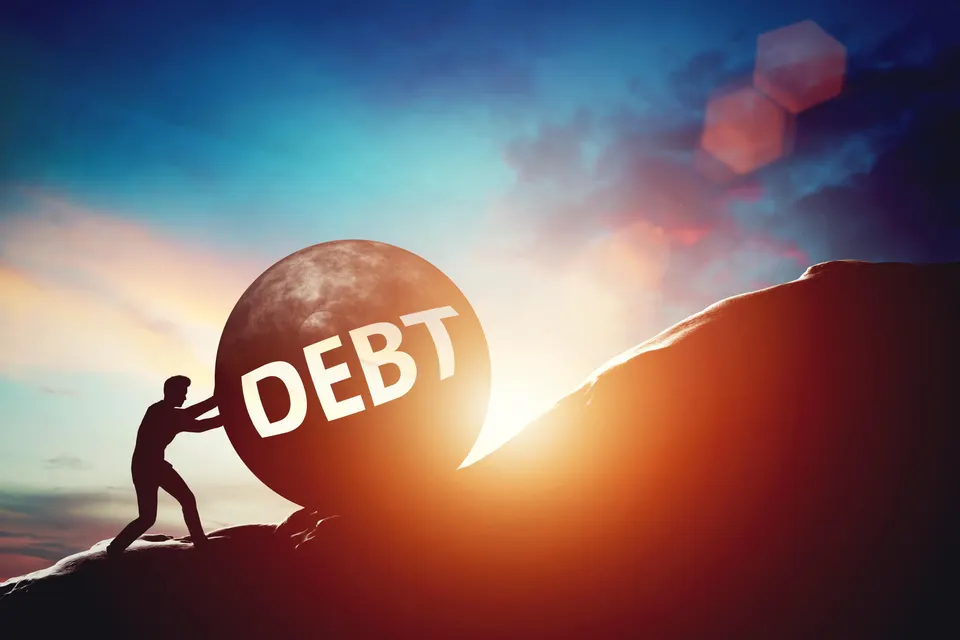
While it is typically considered a last resort, bankruptcy is not the worst thing that could happen to you, financially. If you’re facing severe financial hardship that you cannot get out of, it can help you eliminate and restructure overwhelming debt, while offering you legal protections from collection efforts, lawsuits, and wage garnishment. It is worth noting, however, that credit scores can be heavily affected for years, and future borrowing opportunities may become more difficult to find until the bankruptcy ages out of your credit report.
There’s no one right way to address debt, and each of them has its own drawbacks and payoffs. However, what’s important is that you start looking at strategies to help you manage it now, rather than letting it build, fester, and become even more stressful with time.