
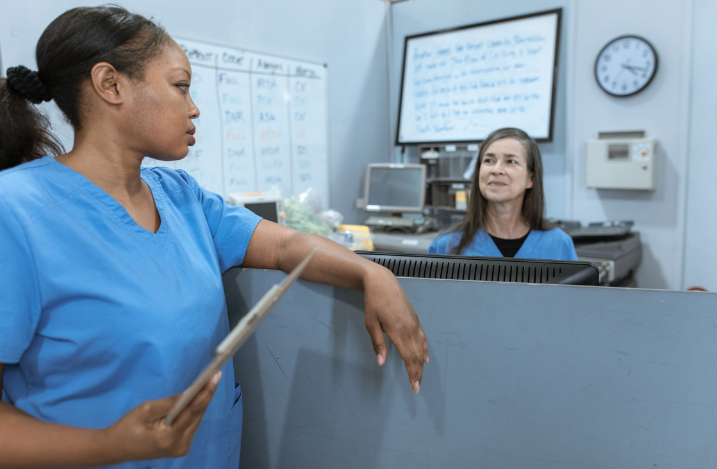
Great healthcare does not happen by accident. Behind every calm, organized unit is someone helping nurses do their best work, keeping patients safe, and reducing daily disruptions. Nurse leaders fill that role by acting as coordinators, coaches, and problem-solvers who shape the environment where care happens every day. When leadership is strong, teams communicate better, patients feel more supported, and care becomes more consistent and humane.
How Nurse Leaders Shape Care
One example is a nurse executive, who helps lead nursing teams, set priorities, and support quality care across a healthcare organization. While this work can sound administrative, its effects are practical and immediate. Registered nurses interested in moving into leadership often strengthen those skills through advanced education. The University of Tulsa’s online Master of Science in Nursing (MSN) prepares nurses for leadership, healthcare management, and strategic decision-making while offering the flexibility many working professionals need.
They help develop policies, maintain care standards, and improve consistency across departments and shifts. When a problem keeps repeating, nurse leaders are often responsible for finding the cause and improving the process.
They also balance two priorities at once. They support patients by building better systems for care, and they support staff through guidance, feedback, and planning. Much of this work happens behind the scenes, but it prevents small issues from becoming major disruptions.
Why Leadership Matters
Nursing leadership affects far more than schedules and meetings. It shapes both patient experience and staff morale. When leaders are clear, fair, and calm, that attitude often spreads throughout the team.
Consider a busy unit where no one is sure who is covering each assignment. Call lights go unanswered, nurses grow frustrated, and patients feel ignored. Now imagine the same unit with a leader who sets expectations, communicates clearly, and addresses problems quickly. The physical setting has not changed, but the experience has.
Good leaders also make it easier for staff to speak up. That matters when a nurse notices a medication concern, a safety issue, or a family member who needs answers. Teams function better when people know their input matters, and morale improves when concerns are acknowledged instead of dismissed.
Leadership cannot remove every difficult day in healthcare. Emergencies, high patient volumes, and emotional strain remain part of the job. But effective leadership makes those challenges more manageable and much less chaotic.
Supporting Better Teamwork
Hospitals and clinics depend on many moving parts. Nurses work alongside physicians, therapists, lab personnel, case managers, and support staff. If these groups do not communicate well, confusion spreads quickly and patient care can suffer.
Nurse leaders help connect those teams. They clarify roles, improve handoffs, and create routines that make work more predictable. This may involve strengthening shift reports, reducing repeated mix-ups, or giving departments simpler ways to share updates.
Trust is central to teamwork. When staff trust their leader, they are more likely to ask questions, report mistakes early, and help one another. That trust creates a safer environment for patients and a less exhausting one for workers.
The best teamwork often looks uneventful from the outside, and that is usually a good sign. It means there are fewer surprises, less conflict, and more time spent caring for patients instead of fixing avoidable breakdowns.
Improving Patient Experience
Most patients will never meet the person making leadership decisions, but they will feel the effects of those decisions. Nurse leaders influence how quickly help arrives, how clearly information is shared, and how smoothly care continues from one shift to the next.
When patients have to repeat the same concern to multiple people, it often points to a system problem. Strong leadership helps reduce that kind of disconnect. By promoting consistency and communication, nurse leaders help patients receive clearer answers and families feel less confused.
They also improve comfort and safety by watching important details. Response times, bedside communication, pain management, and discharge instructions all require active oversight. These areas do not improve on their own. Someone has to notice patterns, identify weak points, and make changes.
Families often remember how care felt as much as the medical outcome itself. Were staff kind? Did someone explain what was happening? Did anyone listen? Nurse leaders shape those moments indirectly by setting expectations that keep people, not just tasks, at the center of care.
Helping Staff Stay Engaged
Nursing is meaningful work, but it can also be physically and emotionally draining. Long hours, constant demands, and repeated exposure to stress can wear people down over time. Burnout is not just a buzzword; it is a serious condition that affects both well-being and performance.
Supportive nurse leaders can make a real difference. They notice when teams are overloaded, advocate for better staffing, and encourage breaks when possible. They also recognize strong performance, which matters more than many people realize. A sincere acknowledgment can lift morale during a difficult shift.
Retention is closely tied to leadership. Nurses are more likely to stay where they feel respected, supported, and able to grow. They want workplaces where they can ask for help, develop professionally, and trust the people guiding them. Poor leadership, by contrast, often drives skilled nurses to leave.
Engagement is not about forced positivity. It is about creating a workplace where people feel valued, useful, and capable of doing their jobs well. When that happens, both staff and patients benefit.
Skills Every Nurse Leader Needs
Strong nurse leaders often share several practical strengths. Communication is one of the most important. They explain expectations clearly, listen carefully, and know when a private conversation works better than a public one.
Empathy also matters. Staff and patients want leaders who understand pressure, not just policies. The best leaders can be compassionate while still maintaining standards and accountability. That balance is not always easy, but it is essential.
Problem-solving is another key skill. Healthcare rarely goes exactly as planned, so leaders need to remain steady when systems break down or priorities shift. Effective nurse leaders look closely at what is wrong, ask useful questions, and focus on solutions instead of blame.
Organization is equally valuable. Scheduling, follow-up, training, and communication all depend on it. A nurse leader does not need extraordinary powers, but they do need to be reliable, thoughtful, and able to keep many moving parts aligned.