Maintaining a healthy outdoor space involves much more than mowing the lawn or planting flowers. One of the most important parts of protecting landscaping and residential properties is managing how water moves across the yard. Without proper drainage, excess water can quickly create problems that affect both the appearance of outdoor spaces and the structural condition of the home itself.
Poor drainage often leads to standing water, muddy lawns, soil erosion, dying plants, and moisture buildup around foundations. Over time, these issues may weaken landscaping, damage outdoor surfaces, and increase the risk of costly structural repairs. Many homeowners focus on maintaining attractive lawns and gardens without realizing how important proper water management is for long-term property protection.
Effective drainage systems help direct excess water away from vulnerable areas while supporting healthier soil and landscaping conditions. As weather patterns become less predictable and heavy rainfall becomes more common in many regions, homeowners are increasingly investing in better drainage planning to protect both their outdoor spaces and the overall condition of their property.
Why Proper Drainage Is Important for Protecting Landscaping and Foundations
Excess water can create serious problems when it is not properly managed around a property. Water that collects near foundations, garden beds, or low areas of the yard may gradually damage soil stability, weaken plant roots, and increase the risk of structural issues over time.
One of the most common problems homeowners experience is standing water after heavy rain. Pooled water may remain in certain areas of the yard for days, creating muddy conditions and damaging grass or landscaping. In some cases, water may begin collecting near the foundation of the home, increasing the risk of cracks, basement moisture, and long-term structural damage.
Homeowners dealing with recurring flooding, erosion, or drainage issues often invest in personalized drainage services because customized drainage solutions can help redirect excess water away from vulnerable areas while protecting landscaping and structural foundations. Professional drainage systems may include French drains, catch basins, grading adjustments, downspout extensions, and surface drainage improvements designed specifically for the layout and water flow conditions of the property.
Proper drainage does more than remove excess water. It also helps preserve soil quality and maintain healthier outdoor environments overall. Balanced moisture levels support stronger plant growth while reducing erosion and landscape deterioration caused by uncontrolled water movement.
Preventative drainage improvements can also save homeowners money in the long run. Addressing water management issues early often helps reduce the likelihood of major landscaping repairs or structural foundation problems later.
Common Signs Your Property May Have Drainage Problems
Drainage issues often begin with small warning signs that homeowners may overlook at first. Recognizing these signs early can help prevent larger and more expensive property damage later on.
One of the most noticeable indicators is soggy or muddy lawn areas that remain wet long after rainfall has stopped. Standing water or constantly damp soil often suggests that water is not draining properly through the property.
Soil erosion is another common sign. If mulch, dirt, or landscaping materials begin washing away after storms, excess water flow may be damaging the yard and affecting landscape stability.
Foundation cracks and basement moisture may also point to drainage problems around the home. Water that collects near the foundation can gradually weaken structural materials and increase moisture intrusion into lower levels of the property.
Dying plants or yellowing grass may indicate that roots are receiving too much water due to poor drainage conditions. Overly saturated soil can damage root systems and prevent plants from receiving proper oxygen.
Water stains on exterior walls, mold growth, or pooling near downspouts are additional warning signs homeowners should monitor carefully. Regular outdoor inspections help identify these issues before they become larger structural or landscaping concerns.
How Effective Drainage Supports Healthier Landscaping
Healthy landscaping depends heavily on balanced moisture levels. While plants and grass need water to survive, too much moisture can create serious problems for lawns, gardens, and outdoor vegetation.
Standing water and oversaturated soil may lead to root rot, fungal growth, and weakened plant health. Grass often becomes patchy or discolored when roots remain waterlogged for extended periods. Excess moisture may also encourage weeds and lawn disease.
Proper drainage systems help maintain healthier soil conditions by allowing water to move efficiently through the landscape instead of collecting in one area. Balanced drainage supports stronger root systems and more stable plant growth throughout the property.
Drainage improvements also help reduce soil erosion. Heavy rainfall can wash away valuable topsoil and damage landscaping if water is not directed properly. Controlled water flow helps preserve gardens, flower beds, and lawn stability during storms.
Healthy landscaping improves overall property appearance while creating more enjoyable outdoor living spaces. Proper drainage supports greener lawns, healthier plants, and cleaner outdoor conditions that are easier to maintain long-term.
Homeowners who prioritize drainage often experience better lawn performance and fewer landscaping problems throughout changing weather conditions.
The Importance of Foundation Protection and Water Management

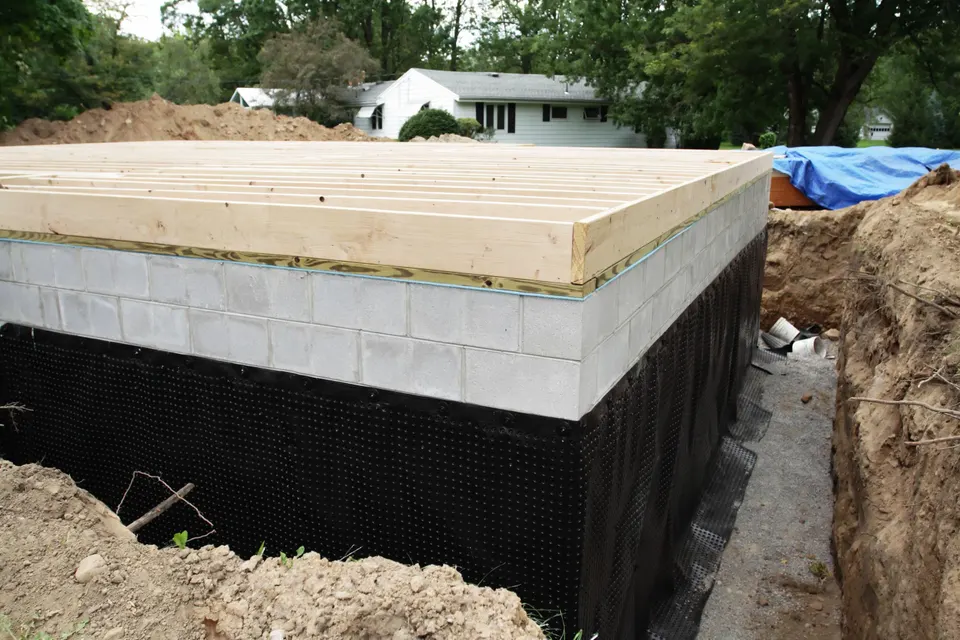
Foundation protection is one of the most important reasons homeowners invest in proper drainage systems. Excess moisture around a home’s foundation can create serious structural issues if water is allowed to collect near the property over time.
Water saturation may cause soil shifting, foundation settling, and cracking as moisture levels change around the structure. Even small foundation cracks can gradually worsen if drainage problems remain unresolved.
Basement leaks are another common concern linked to poor drainage. Water that accumulates near the home may eventually seep into lower levels of the property, leading to moisture damage, mold growth, and indoor air quality problems.
Drainage systems help protect foundations by directing rainwater and runoff away from vulnerable structural areas. Features such as grading adjustments, downspout extensions, and underground drainage systems all help reduce excess moisture buildup near the home.
Preventative water management supports long-term structural stability while reducing the risk of expensive repairs later. Homeowners who address drainage issues early are often better protected against long-term foundation damage and moisture-related problems.
Proper drainage plays a major role in maintaining healthy landscaping and protecting residential foundations from long-term water damage. Without effective water management, excess moisture can lead to soil erosion, lawn deterioration, standing water, and costly structural problems.
Customized drainage solutions, regular inspections, and preventative maintenance all help homeowners manage water flow more efficiently while supporting healthier outdoor spaces. Proper drainage systems protect landscaping investments and reduce the risk of expensive repairs caused by uncontrolled moisture.
As homeowners continue focusing on long-term property care and outdoor maintenance, smart drainage planning will remain an essential part of protecting both landscaping and structural foundations. Healthy lawns and stable homes often begin with effective water management and proactive drainage solutions.