
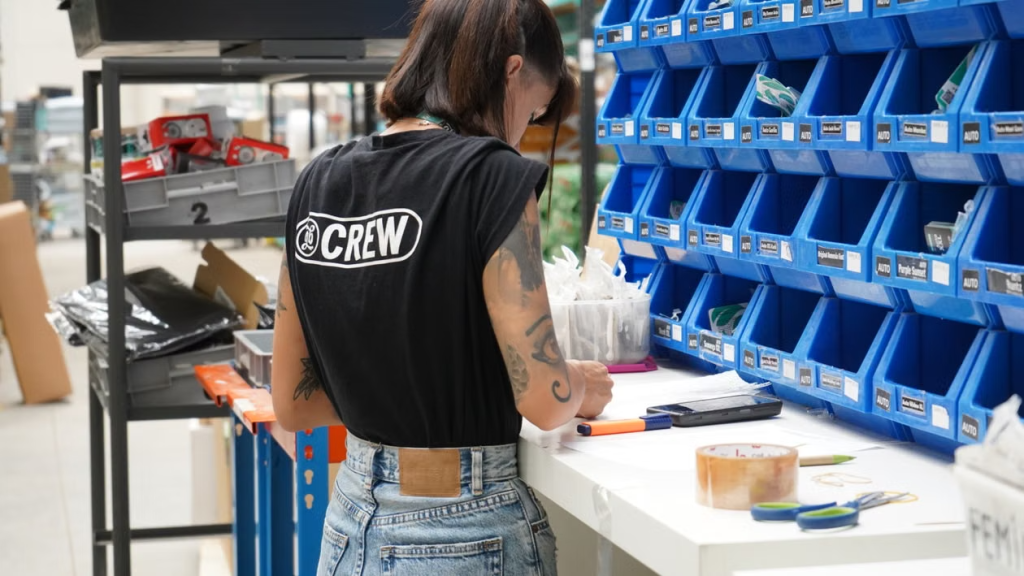
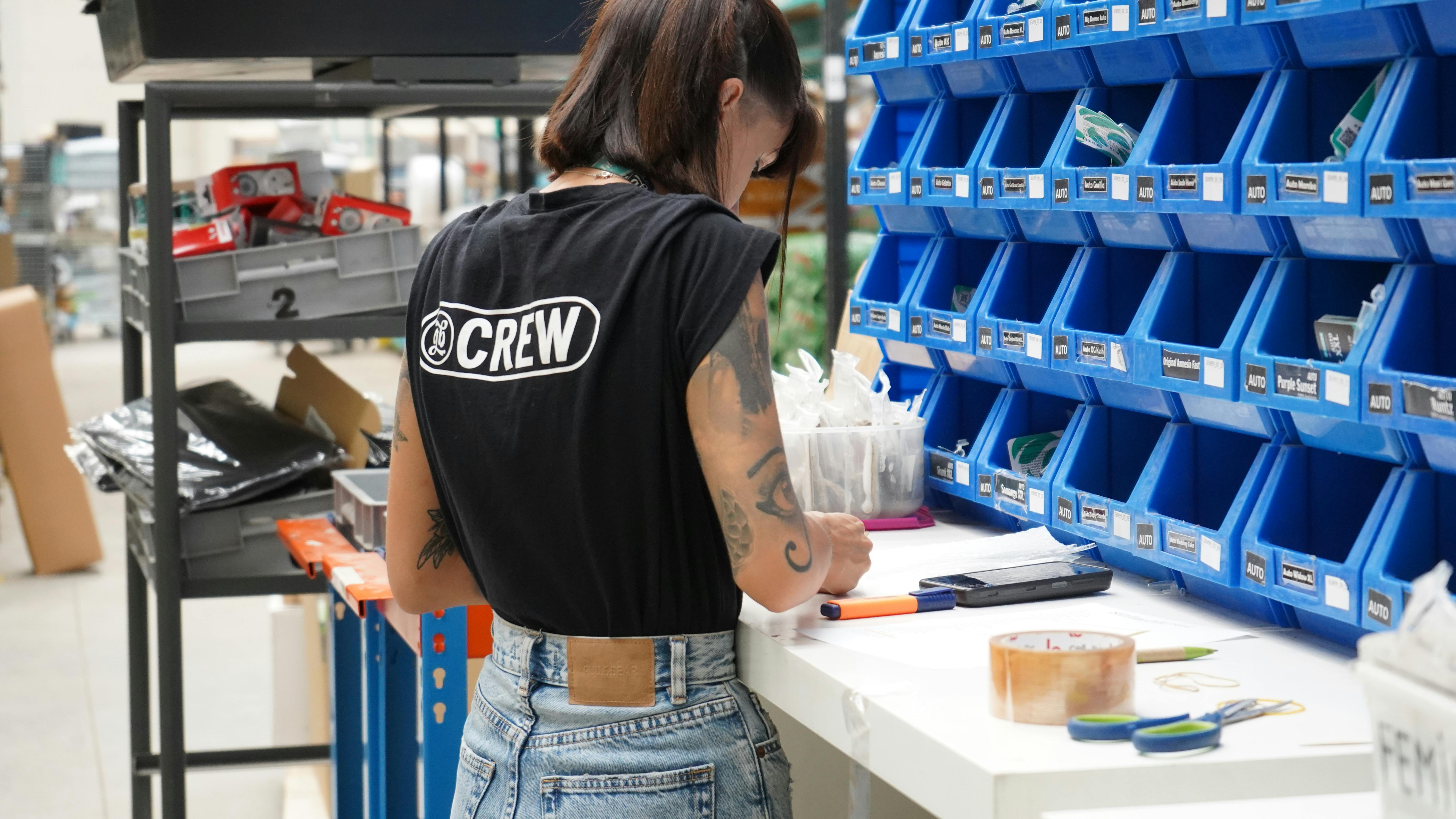
An untidy workspace isn’t just a bit annoying to look at; it really saps your productivity and focus. Every second you spend hunting for a document, tool, or piece of equipment is time you’ll never get back. By setting up a well-organised space, you not only win back that lost time but also create an environment where you can think clearly and work efficiently. These good organisation habits work for everyone, whether you’re in a creative studio or a busy warehouse.
Decluttering for Better Focus
The first step to a super-efficient workspace is always to get rid of things that just don’t belong. A messy environment constantly tugs at your attention, causing a low-level stress that makes it hard to concentrate. Start by looking at everything you have. Make three piles: keep, donate/toss, and move somewhere else. Be tough with the toss pile; if you haven’t used something in the last year and it’s not super important, it’s probably just taking up space. Research shows that if you declutter your home office, you can reduce stress and improve focus. Once you’ve cleared out the unnecessary stuff, you’ll have a clean slate to build a much better system. From there, practical organisation strategies can help you decide where everything should go and make it easier to keep your workspace tidy.
Smart Storage Solutions for Every Nook
With the clutter gone, you can now figure out a logical spot for everything that’s left. Think upwards to make the most of your space. Wall shelves, pegboards, and magnetic strips can get items off your desk and into easy-to-reach places. Use drawer dividers and desktop organisers to sort smaller bits like pens, cables, and stationery. For businesses dealing with stock, parts, or bigger items, being able to move things around is key. Using a flexible service like roll cage hire can make it easier to transport and organise larger loads without investing in permanent handling equipment. This keeps valuable floor space clear while making sure materials can be moved safely and efficiently.
Optimising Movement in Your Workspace
How you move around your space is just as important as where you put things. The aim is to set up a layout that cuts down on wasted steps and effort. This idea, often called ergonomics or workflow, means putting your most-used items within arm’s reach. Arrange your main work surface (like your desk or workbench) and your secondary storage so you can easily pivot between them. Think about the order of your tasks. If you always go from task A to task B, make sure the tools and materials for both are logically placed right next to each other. When you properly organise your home office, you create a natural rhythm that makes your whole day feel smoother and less hectic.
Tools for Seamless Material Flow
Beyond just the physical layout, having the right tools can really smooth out how work and materials flow. For physical items, this could mean using colour-coded bins for different project parts or labelled trays for incoming and outgoing paperwork. This creates a visual language that tells you a task’s status at a glance. For digital work, project management software like Trello or Asana can do the same job, moving tasks through different stages of completion. The main thing is to create a system where an item’s movement, whether it’s a physical object or a digital task, clearly signals the next step in the process, taking away the mental load of tracking everything yourself.
Maintaining an Organised System
An organised workspace isn’t a one-and-done deal; it needs regular upkeep. The best way to stop clutter from piling up again is to build simple habits into your daily routine. Spend the last five minutes of your workday doing a quick tidy-up. Put tools away, file documents, and clear your main work surface. This ensures you start the next day fresh. A “one-in, one-out” rule is also super effective: for every new item you bring in, an old one has to go. Schedule a deeper review every few months to check your system and make sure it’s still working for you.
A tidy workspace isn’t about being perfect. It’s about creating an environment that removes friction and lets you do your best work with the least amount of resistance. Why not start small by organising just one drawer or shelf today?