
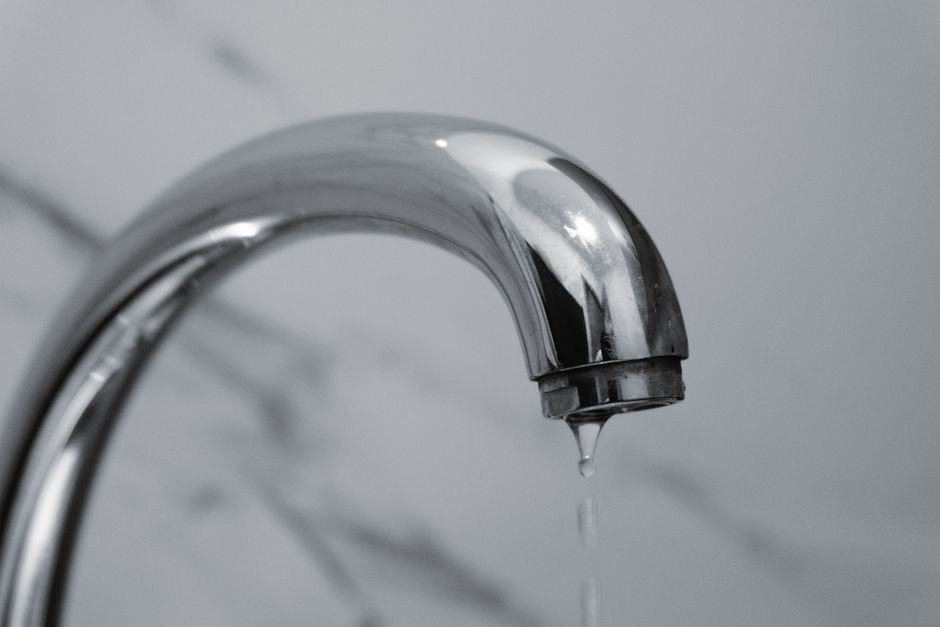
Your home can feel perfectly under control right up until a pipe starts leaking under the sink at 11 p.m. Plumbing has a sneaky way of turning tiny annoyances into budget-draining repairs. One slow drain, one weird rattling pipe, one mystery water spot on the ceiling, and suddenly your weekend plans are gone.
If you like practical home upgrades, preventive maintenance, and avoiding chaos with a wrench in your hand, getting sharper about plumbing is one of the smartest moves you can make.
Notice the Warning Signs Before It’s Too Late
Plumbing problems rarely appear out of nowhere. Most of them tap you on the shoulder first. You just need to notice the clues before they become a full-blown waterworks performance. A dripping faucet may seem harmless, but it can point to worn washers, corrosion, or pressure issues. Slow drains often signal buildup, not bad luck. Gurgling noises from sinks or toilets can mean trapped air caused by a developing blockage. Low water pressure might trace back to mineral deposits, hidden leaks, or aging supply lines.
Keep an eye on these common red flags:
– Water stains on walls or ceilings
– A musty smell near cabinets or floors
– Sudden spikes in your water bill
– Pipes that bang, whistle, or rattle
– Water pooling near your water heater
Know When to DIY, and When to Not
DIY culture is great until your five-minute fix turns into a three-day mess and a hardware store loyalty card. You can handle some plumbing jobs yourself, but you need a realistic line between basic maintenance and risky repair work.
Usually safe DIY tasks include unclogging a sink with a plunger, replacing a showerhead, tightening a loose connection under a sink, or swapping out a toilet flapper. For anything else, you need to hire a qualified plumbing service provider.
Other problems deserve professional help right away:
– Burst or frozen pipes
– Sewer line backups
– Water heater leaks or failures
– Persistent low pressure across the house
Build a Plumbing Maintenance Routine That Actually Works
Most homeowners remember plumbing only when something goes wrong. That approach is expensive, stressful, and oddly effective at ruining holidays. A basic maintenance routine keeps small issues from growing teeth.
Start with a monthly walkthrough. Check under sinks for moisture, rust, or warped cabinet panels. Test faucet pressure. Listen to toilets after flushing to make sure they stop running. Look around the base of your water heater for drips or corrosion. If you have exposed pipes in a basement or garage, inspect insulation and fittings.
Every few months, add a few deeper checks:
– Clean drain stoppers in sinks and tubs
– Flush your water heater if the manufacturer recommends it
– Test your shutoff valves so they don’t seize up
– Inspect outdoor spigots for leaks or cracks
– Watch your water meter for signs of hidden leaks
One practical habit helps more than people expect: know where your main water shutoff valve is and make sure everyone in the house knows too. In an emergency, those few seconds matter. Nothing says “surprise renovation” like letting a leak run while you search the basement like you’re in an escape room.
Pay Attention to the Plumbing Tech and Materials in Your Home
Not all plumbing systems age the same way. If you know what materials are in your home, you can make better decisions about repairs, upgrades, and replacement timing.
Older homes may still have galvanized steel pipes, which corrode internally and reduce water pressure over time. Copper is durable but can develop pinhole leaks, especially in areas with certain water chemistry. PEX has become popular because it’s flexible, efficient, and easier to install, though it still needs protection from UV exposure and poor fittings.
Your fixtures matter too. A high-efficiency toilet can lower water use dramatically, but only if it’s installed correctly and matched to your household needs. Tankless water heaters save space and energy, though they require proper sizing. Smart leak detectors can send alerts to your phone before a bad drip becomes a flooring claim.
If you’re planning renovations, ask questions beyond style and finish. The sleek faucet you want might need pressure compatibility checks. The dream laundry room may need upgraded drainage. Good plumbing decisions hide behind walls, but they affect your comfort, resale value, and utility costs long after the paint dries.
Choose Help Based on Reliability, Not Just a Low Price Tag
When a plumbing problem hits, it’s tempting to call the cheapest number you can find and hope for the best. That can work, but it can also buy you a temporary patch, vague explanations, and a callback you never wanted.
A better approach is to evaluate service the same way you’d assess any important contractor. Look for clear communication, licensing, insurance, strong reviews, and transparent estimates. Ask whether they guarantee labor. Find out how they handle emergencies, follow-up visits, and diagnostic work.
Good questions to ask include:
– What experience do you have with homes like mine?
– Do you charge flat rates or hourly labor?
– Will you inspect for related issues during the repair?
– What parts or materials do you recommend and why?
– How quickly can you respond if the issue gets worse?
A reliable plumber saves you money in ways that don’t always show up on the first invoice. Correct diagnosis prevents repeat failures. Code-compliant work protects your home sale later. Durable parts reduce future repairs. Cheap fixes can feel satisfying in the moment, right up until your ceiling starts auditioning as a waterfall.
Think Long Term: Plumbing Affects More Than Pipes
Plumbing connects to far more than sinks and toilets. It affects indoor air quality, mold risk, energy use, structural damage, insurance claims, and even how livable your house feels day to day.
A small leak hidden behind a wall can feed mold growth for months. Poor drainage around a home can stress the foundation. An aging water heater can waste energy long before it fails outright. Even one frequently clogged bathroom can create friction in a busy household, especially when mornings already run on military-level timing.
Treat plumbing as part of your home’s infrastructure strategy, not a background system you ignore. Preventive inspections, smart upgrades, and quick responses to minor issues help you stay in control instead of reacting under pressure.