
For any modern business, protecting assets isn’t just about insurance anymore. It’s an active, ongoing strategy that’s key to staying stable and growing. Your assets, from physical inventory and equipment to intellectual property and cash flow, are what drive your business. Keeping them safe means thinking ahead and planning for all sorts of potential threats.
The Evolving Landscape of Business Risks
In the past, business security often focused on stopping break-ins or employee theft. Today, the risks are much more complex. Businesses now face digital breaches, clever fraud schemes, weak points in their supply chains, and internal mistakes. Before looking at solutions, it helps to understand what asset protection is. It’s basically a set of legal and strategic ways to protect your business’s valuable items from being taken by creditors or lost to other dangers. The goal is to set up your operations and holdings so they’re less exposed. This means looking beyond the obvious and considering every way your business could be at risk.
Beyond Insurance: Proactive Asset Protection
Insurance is a vital safety net, but it only helps after something bad has already happened. Proactive asset protection, on the other hand, tries to stop that loss from occurring in the first place. This involves combining legal and operational asset protection strategies to shield your business from potential claims and liabilities.
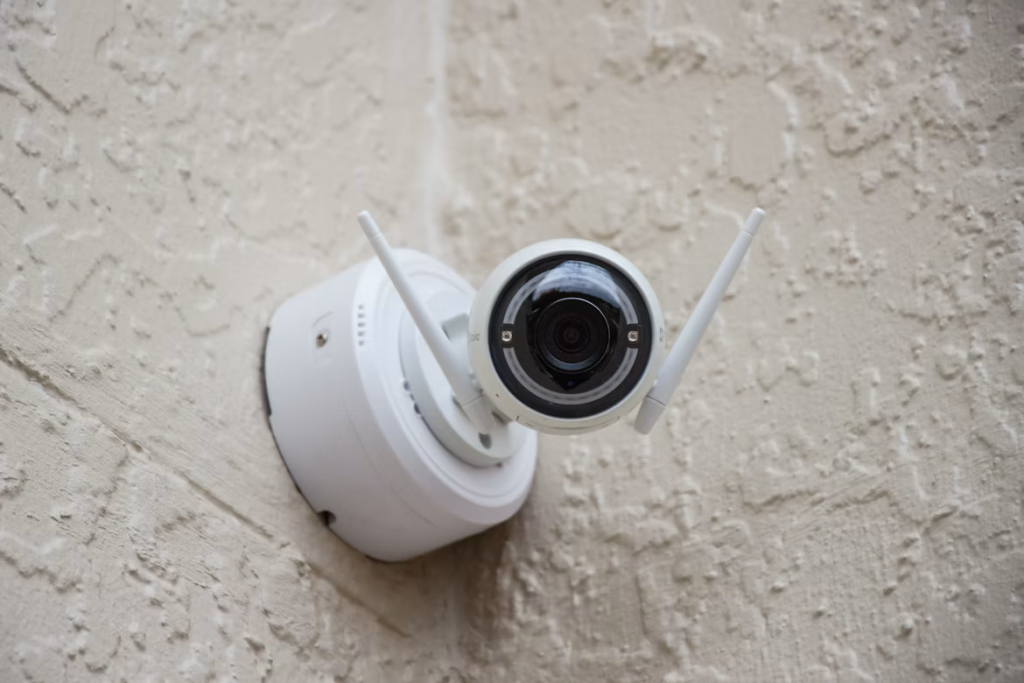
On the operational side, physical security is a main defense. This includes controlling who can access your facilities and actively watching your property. For example, monitoring a warehouse or retail area with a high-definition 8MP 16-channel security camera system can discourage theft and provide clear proof if something happens. Taking proactive steps gives you control, so you don’t have to rely as much on filing claims and waiting for reimbursement.
Integrating Physical Security with Operations
Good security isn’t just one department; it’s part of how you do business every day. Modern surveillance and access control systems can give you useful data that goes beyond just catching wrongdoers. You can use security footage to analyze foot traffic in a retail store, arrange warehouse layouts more efficiently, or make sure safety rules are being followed on a factory floor.
When you integrate security this way, it changes from just a necessary cost into a source of business insights. When you check access logs, you’re not just looking for unauthorized entry. You’re also gathering data on how your space is used. This information can help you make smarter choices about staffing, how you use resources, and how your work flows. It turns your security setup into a tool for constant improvement.
Smart Investments for Long-Term Safety
When money is tight, it’s easy to pick the cheapest security options. But with asset protection, saving money in the short term can lead to higher costs later. A cheap camera that gives you blurry, useless footage won’t help much when you need to identify someone or read a license plate. A weak lock is just a minor problem for someone determined to get in.
Investing in good security infrastructure is an investment in your business’s future. Strong, reliable equipment means less chance of it failing when you need it most. Plus, modern systems often come with features like remote access and smart alerts, letting you monitor your assets from anywhere. This not only makes things more secure but also gives you more flexibility in how you operate.
Choosing the Right Security Infrastructure
Choosing the right security tools means honestly looking at your specific needs and weak points. A small office needs different things than a large distribution center. Before you invest, think about these factors:
- Scalability: Can the system grow with your business? Pick a solution that lets you easily add more cameras or sensors as your needs change.
- Image Quality: For surveillance, clear resolution is crucial. High-definition cameras provide the detail you need for identification and evidence.
- Integration: Can the system work with your other tools? Look for solutions that can connect with your point-of-sale system, access control, or alarm systems.
- Data Storage: Decide if you need to store data locally, in the cloud, or a mix of both. Each option has different costs and benefits for how accessible and secure your data will be.
By carefully evaluating these points, you can build a security setup that truly protects your assets and supports your business goals.
Ultimately, treating asset protection as a key part of your business strategy is vital for lasting success. It’s about creating a safe environment where your business can thrive without the constant worry of preventable losses.