
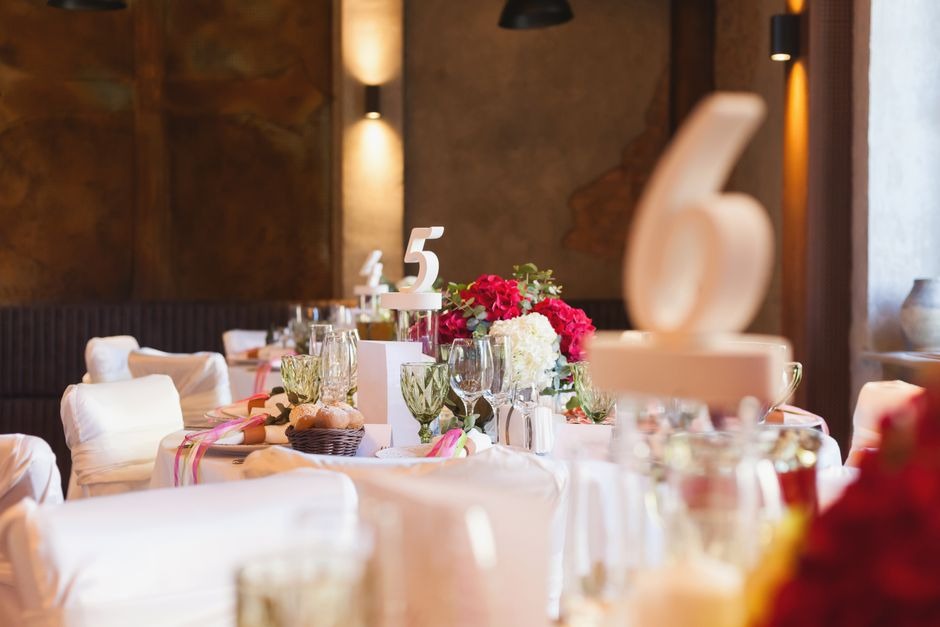
When planning a wedding, couples usually focus first on the biggest decisions: the venue, attire, music, and menu. But reception tables shape a large part of the guest experience. They affect how the room feels, how comfortable guests are during dinner, and whether the celebration seems polished and intentional.
The good news is that welcoming tables do not need to be extravagant. With thoughtful choices, they can make guests feel cared for the moment they take their seats.
Setting the tone
Wedding tables establish the mood long before dessert is served or dancing begins. Guests notice color, texture, and arrangement right away, even if they cannot describe exactly why one room feels warm and inviting while another feels unfinished. A bare table can make a space seem incomplete, while a well-dressed table brings comfort and purpose.
Buying a full set of linens for one event rarely pays off once the day is done. Tablecloths, runners, and specialty napkins end up boxed in a closet after the wedding, taking space you would rather keep clear. Bergen Linen offers coordinated wedding rentals that give the reception a refined, finished look and go straight back once the celebration ends, so nothing lingers in storage.
The aim is not to overwhelm guests with flashy details. It is to create an environment that feels prepared, comfortable, and welcoming.
Start with your style
Before choosing tablecloths, runners, napkins, or centerpieces, decide how you want the wedding to feel. Your overall style should guide every table decision.
A romantic wedding often works best with soft colors, flowing fabrics, floral shapes, and candlelight. A modern wedding usually benefits from clean lines, solid colors, and fewer decorative layers. Rustic venues tend to pair well with natural textures and relaxed details, while coastal weddings often feel strongest with crisp whites, sandy neutrals, and shades of blue.
You do not need formal design experience to make these choices. Think about your venue, your personalities, and the mood you want guests to experience. If your taste is timeless and elegant, classic table details may be the best fit. If your celebration is casual and breezy, forcing a formal ballroom style into a barn or outdoor setting can feel disconnected.
Once your style is clear, all the other decisions become easier. Instead of collecting separate pieces that look nice on their own, you can choose details that truly belong together.
Choose linens wisely
Linens are one of the most effective tools in table design because they create the table’s foundation and can transform a room quickly. The tablecloth sets the base, the runner adds structure or contrast, and the napkins introduce color, texture, or personality.
A simple way to build a beautiful table is to start with one dominant color and one supporting texture. If your tablecloth is neutral, you can add interest through velvet napkins, a gauzy runner, or a subtle woven pattern. If the cloth already has shine or texture, keep the other layers more restrained so the table does not become visually busy.
Good layering gives each piece a purpose. Let one element stand out while the others support it. That balance keeps the table stylish instead of crowded. For most weddings, a calm and intentional design has a stronger effect than trying to include every decorative idea at once.
Think beyond the table
Even a beautiful table can feel disconnected if the surrounding details do not support it. Chairs, plates, glassware, centerpieces, lighting, and signage all shape the way a table is perceived. These elements should feel connected rather than randomly assembled.
For example, soft romantic linens naturally pair with rounded floral arrangements and warm candlelight. Sleek modern tables often look best with simple place settings and minimal centerpieces. If your signage is colorful and playful, your flowers or napkins can echo that energy without matching exactly.
Cohesion matters more than perfect matching. Guests are unlikely to remember the exact shade of a runner, but they will remember whether the room felt harmonious and welcoming. When every part of the setting supports the same atmosphere, the wedding feels more thoughtful and complete.
Keep guests comfortable
A table can be visually stunning and still fail if it is not practical. Guest comfort matters just as much as appearance. If people cannot move their chairs, reach their drinks, or see the person across from them, the setup stops feeling inviting.
Make sure each guest has enough room to eat and talk comfortably. Avoid oversized centerpieces that block sightlines, especially during dinner. Low arrangements or very narrow, tall designs often work better than wide displays that dominate the table. Place settings should be spaced properly, napkins should be easy to reach, and decor should never make the meal harder to enjoy.
Season matters too. Light fabrics can help a summer reception feel airy and fresh, while richer textures can make a fall or winter wedding feel warmer and more intimate.
Table shape also affects the guest experience. Round tables often encourage conversation because everyone can see one another more easily. Long tables create dramatic visual impact and can foster a communal atmosphere. The right option depends on your venue, guest count, and the type of interaction you want to encourage.
Budget without stress
Beautiful tables do not require a huge budget. The key is to decide where your spending will have the greatest impact. Focus more attention on the areas guests and photographers notice most, such as the sweetheart table, head table, cake table, escort card display, or welcome area. These spaces set the visual tone and often appear in photos.
For guest tables, keep the base design simple and consistent. Then choose one or two standout details, such as upgraded napkins, a textured runner, or a more elevated centerpiece. This approach helps the room feel cohesive without stretching the budget too far.
Renting statement pieces is often more practical than buying them. It allows you to create a polished look without ending up with boxes of unused decor after the wedding. Reuse can also save money. Ceremony flowers can be moved to reception tables, and accents from the entrance can appear again near the bar or dessert station. Repeating design elements not only reduces costs but also helps the event feel more unified.
Small details matter
Often, the smallest details leave the strongest impression. Wrinkle-free linens, polished glassware, centered plates, and neatly folded napkins may not attract direct attention, but they shape the overall feeling of the table. Guests notice when a setting feels orderly, clean, and thoughtfully arranged.