
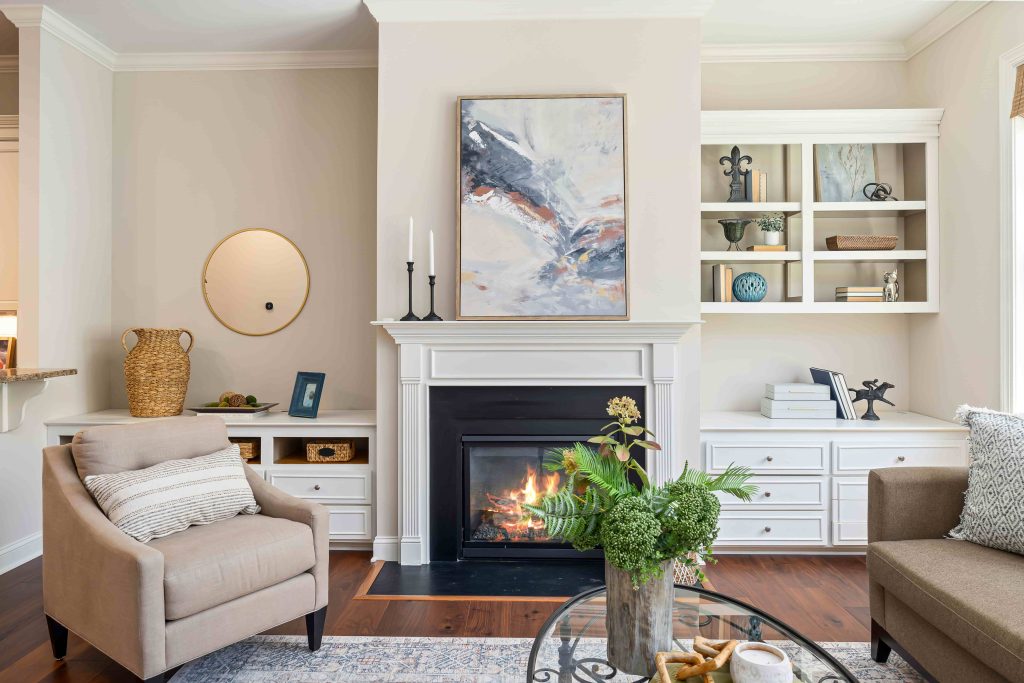
Many Seattle homeowners reach a point where their house looks perfectly fine but still feels difficult to live in. Morning routines feel rushed because storage is limited. Family members compete for space in busy areas of the home. Certain rooms sit empty while others feel crowded every day. These problems often develop gradually, making them easy to ignore until they start affecting comfort and convenience.
Seattle’s mix of older homes, growing families, remote work arrangements, and rising housing costs has made functional living spaces more important than ever. Instead of focusing solely on appearance, homeowners are looking for ways to improve how their homes support daily life. Thoughtful updates can make everyday tasks easier, reduce frustration, and help every room serve a clear purpose. The goal is simple: create a home that works well for the people living in it.
Designing Bathrooms Around Real Needs
Bathrooms play an important role in daily comfort, yet many homeowners focus primarily on finishes and fixtures while overlooking functionality. A bathroom should support the routines of everyone who uses it. Storage, lighting, accessibility, and layout often have a greater impact on satisfaction than decorative upgrades.
Consider how the space performs during busy mornings. Is there enough storage to keep countertops clear? Can multiple people use the room comfortably? Are fixtures easy to access and maintain? These questions often reveal opportunities for meaningful improvements. For homeowners considering a bathroom remodel in Seattle, focusing on usability can produce better long-term results than following short-lived design trends. Features such as walk-in showers, improved lighting, efficient storage, and easy-to-clean materials help create a space that remains practical and comfortable for years.
A Kitchen That Matches Your Routine
A kitchen works best when its layout supports the way people actually use it. Many homeowners focus on finishes while overlooking practical details that affect daily routines. Think about where food preparation happens, where groceries are unloaded, and how dishes move from sink to storage. These activities should feel simple and efficient.
Deep drawers often provide easier access than lower cabinets because they eliminate the need to reach into dark corners. Pull-out pantry shelves help homeowners see what they already have, reducing food waste and duplicate purchases. Adequate counter space near major appliances also makes cooking more convenient. Before making changes, pay attention to your daily habits. The most successful kitchen improvements solve recurring problems and create a smoother experience every time the space is used.
Making Forgotten Spaces Useful Again
Many homes contain areas that serve little purpose beyond collecting clutter. A corner of a bedroom, an oversized hallway, or an underused guest room can often provide much more value with thoughtful planning. The key is matching the space to an actual need rather than following trends.
For example, a rarely used dining room might work better as a home office or study area. An empty corner could become a charging station, reading nook, or organized storage zone. Even small spaces under stairs can accommodate shelves, cabinets, or seating. Before starting a renovation, evaluate whether every room earns its place in your daily routine. Homes function better when each area supports a specific activity instead of existing simply because that is how the original floor plan was designed.
Storage That Supports Everyday Life
Storage works best when it matches the way people actually live. Many homeowners focus on adding more storage, but location matters just as much as quantity. A beautiful cabinet provides little value if it sits far from the items people use every day.
Think about where clutter tends to accumulate. Entryways often benefit from hooks, benches, and enclosed storage for shoes and bags. Kitchens function better when frequently used items remain within easy reach. Bathrooms become easier to maintain when toiletries, towels, and cleaning supplies have designated spaces. The goal is to reduce the number of steps required to complete everyday tasks. Well-planned storage creates a cleaner home while also making routines faster and less stressful. Good organization should feel natural rather than requiring constant effort.
Choosing Materials That Make Life Easier
Materials affect more than appearance. They also influence maintenance requirements, durability, and long-term satisfaction. Selecting surfaces that can handle everyday wear often saves time, money, and frustration down the road.
In busy households, quartz countertops remain popular because they resist stains and require very little upkeep. Luxury vinyl flooring performs well in areas exposed to moisture and heavy foot traffic. Large-format shower panels reduce grout lines, making cleaning easier compared to traditional tile installations. Cabinet finishes designed for durability can better withstand fingerprints, scratches, and daily use. When comparing options, consider how much maintenance each material requires throughout the year. A product that looks attractive in a showroom may become less appealing if it demands constant attention. Practical choices often deliver the greatest value over time.
Using Lighting to Improve Everyday Comfort
Lighting influences how a room functions throughout the day. Poor lighting can make routine activities more difficult, even in beautifully designed spaces. Many homes rely heavily on a single ceiling fixture, leaving important work areas underlit.
Layered lighting creates a more comfortable environment. Task lighting helps with activities such as cooking, reading, grooming, and working. Ambient lighting provides overall illumination, while accent lighting highlights specific features when desired. In kitchens, under-cabinet lighting improves visibility on countertops. In bathrooms, fixtures placed near eye level help reduce shadows around mirrors. Dimmer switches add flexibility by allowing homeowners to adjust brightness throughout the day. Evaluating lighting room by room often reveals simple opportunities to improve comfort, usability, and energy efficiency without undertaking a major renovation project.
A functional home makes everyday life easier. It supports routines, reduces frustration, and helps people use their space more effectively. While appearance plays an important role, the most meaningful improvements often happen behind the scenes through better layouts, smarter storage, durable materials, improved lighting, and thoughtful planning.
Every home has opportunities for improvement, whether that means rethinking an underused room, upgrading a frequently used bathroom, or making a kitchen easier to work in. The best projects begin with a simple question: What would make daily life easier here? Answering that question leads to decisions that continue delivering value long after the renovation is complete. A well-designed home should help people live comfortably, efficiently, and confidently every day.