Your patio should feel like a bonus living space, not a forgotten patch of concrete where pollen goes to retire. If you live in a warm place like Houston, you already know how fast heat, bugs, and glare can chase you back indoors. The good news is that you don’t need a complete backyard makeover to fix it. A few smart changes can make your patio more comfortable, more practical, and much easier to enjoy on a regular day.
Start With Daily Comfort
A patio becomes useful when it works for normal life, not just weekend parties. You want a space where you can drink coffee, answer emails, read a book, or sit outside while the kids run around. If the area feels too hot, too bright, or too buggy, you probably won’t use it much.
Start by noticing what makes you leave the space early. Maybe the sun hits one side hard in the afternoon. Maybe mosquitoes make it difficult to enjoy the space after sunset. Maybe there’s no privacy, so you feel like you’re relaxing on a stage.
When you figure out the main problem, the rest gets easier. Comfort should come first because pretty furniture won’t help if you can’t stand being out there for more than ten minutes. Think of your patio like any other room in your home. If it doesn’t feel good, it won’t get used.
Choose The Right Screen
Once you know heat, glare, insects, or lack of privacy are keeping you from using your patio, the next step is finding a solution that addresses those problems without closing the space off completely. That’s when many homeowners start searching for motorized patio screens in Houston to create a more comfortable outdoor area they can use throughout the day.
One of the biggest advantages of motorized screens is their flexibility. They can be lowered during the hottest part of the day to block harsh sunlight, reduce insects, and add privacy, then raised again when you want an open view and fresh air. That simple adjustment can make your patio feel much more like an extension of your home instead of a space you avoid during certain hours.
They also work well for households that use their patio in different ways throughout the day. Whether you’re having breakfast outside, working from your laptop, entertaining guests, or relaxing in the evening, being able to adjust the screens gives you far more control over comfort without making the area feel closed in.
Think Beyond Summer
A lot of people treat patios like a summer-only feature, but that leaves a lot of good use on the table. Even when the hottest days pass, your patio can still be affected by low sun, breezy evenings, damp mornings, or pollen that settles on everything like sneaky confetti.
Think about how the space feels during different months. In early spring, you may want airflow without letting in every floating leaf. In fall, the light can be beautiful, but it may also hit straight into your eyes around dinner time. Light rain can also ruin your plans if there’s no protection at the edges.
When you plan for changing conditions, you get more value from the space year-round. You don’t need to overcomplicate it. Just ask yourself what would make the patio usable for one more month in each direction. Small seasonal fixes often make a surprisingly big difference.
Make It Feel Inviting
Comfort is practical, but atmosphere matters too. If your patio feels bare, awkward, or unfinished, you may not choose it over the couch indoors. The goal is to make it easy to settle in without needing a special occasion.
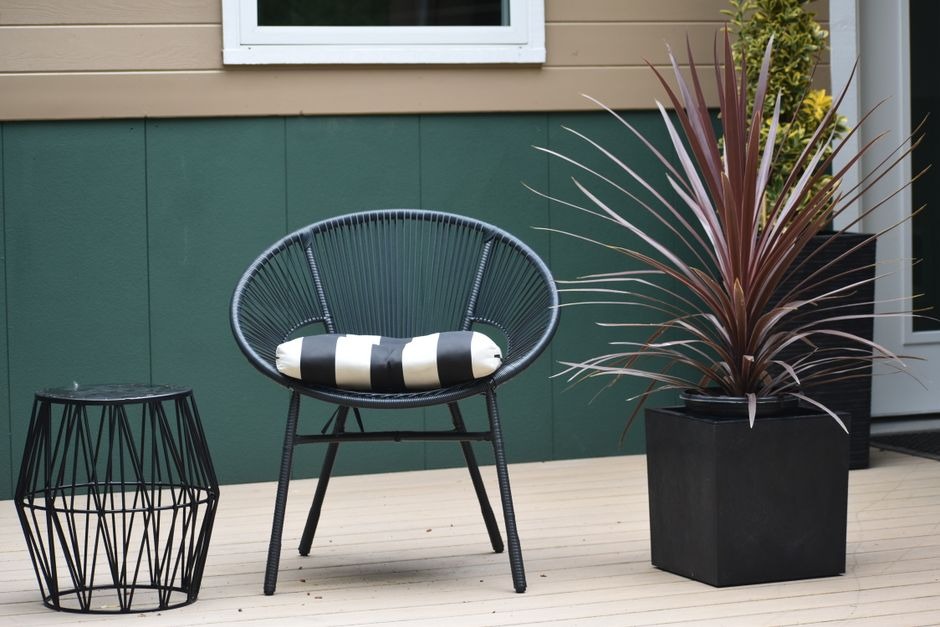
Start with seating that actually supports how you live. If you eat outside often, focus on a sturdy table and chairs. If you mostly relax, go for deep seating with washable cushions. Add a small rug to warm up the floor visually and make the area feel more grounded.
Lighting also changes everything. String lights, wall sconces, or a simple outdoor lamp can turn a dull patio into a place you want to use after sunset. A fan helps on sticky days, and a side table gives your drink and phone a proper home.
You’re not chasing perfection here. You’re creating a space that says, “Sit down for a bit,” instead of “Maybe after a major renovation.”
Create Zones That Work
A patio works better when it has a little structure. You don’t need a giant backyard to do this. Even a modest space can feel more useful if you divide it into simple zones based on what actually happens there.
For example, one corner can be your eating area with a compact table and easy-clean chairs. Another can be a lounge spot with two chairs and a small table for morning coffee or evening chats. If you have kids, leave open space for play or add a bench with hidden storage for toys.
Zoning helps the patio feel intentional instead of random. It also cuts down on clutter because each item has a job. If you like hosting, this setup makes guests more comfortable too. People naturally spread out when the space gives them options.
Small Upgrades Matter
You don’t need a dramatic makeover to make your patio better. Some of the most useful changes are the small ones that solve everyday annoyances. A narrow storage bench can hide cushions, garden tools, or kids’ toys while adding extra seating. That’s a solid two-for-one deal.
Planters can soften hard edges and make the area feel more lived in. Side shade, like an outdoor curtain or umbrella, can help with late-day glare in spots where the sun sneaks in. A tray for drinks, a basket for blankets, or hooks for towels can also make the space more functional.
Try to choose upgrades that support how you already live instead of copying a picture-perfect setup online. A beautiful patio is nice, but a patio you actually use is better. If a small change helps you spend more time outside, it’s doing its job. And honestly, that’s the whole point of having a patio in the first place.