
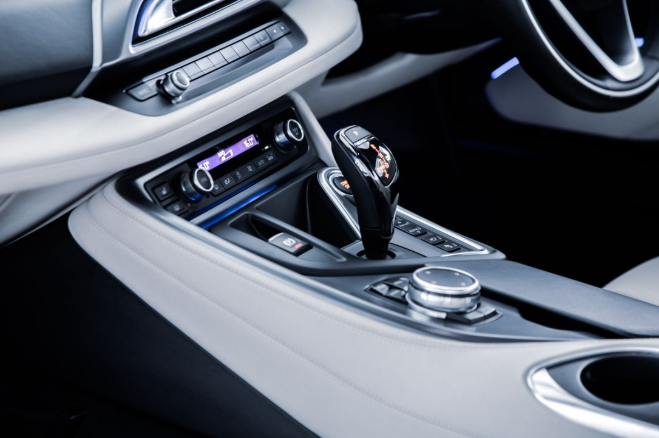
Vehicles have become software platforms on wheels. Features that once operated independently now share data, computing resources, and network connections across the entire vehicle. Navigation systems communicate with cloud services, driver assistance functions process information from multiple sensors, and software updates continue long after a vehicle leaves the factory.
This shift has created a challenge for automotive manufacturers and suppliers. Many traditional vehicle architectures were designed for fixed functions and predictable workloads. Today’s vehicles face very different demands. They must support connected services, increasing software complexity, cybersecurity requirements, and future technologies that may not even be defined yet.
Building a future-ready vehicle architecture requires long-term thinking. Decisions made during development can affect performance, upgradeability, maintenance costs, and customer experience for years. Companies that plan for growth from the beginning put themselves in a stronger position to adapt as the industry continues to evolve.
Planning Storage for Long-Term Growth
Storage often gets less attention than processors, sensors, or connectivity modules, but it can limit the entire vehicle experience if teams undersize it. Modern vehicles store map data, software packages, event logs, user profiles, AI models, diagnostics, and update files. These workloads grow after launch as automakers add features and improve software. A future-ready architecture needs storage that can handle frequent reads and writes without slowing down core functions. Teams should also consider temperature range, endurance, data protection, and automotive qualification standards during selection. Many manufacturers are moving toward automotive-grade solutions, including options such as the Lexar Enterprise automotive infotainment storage system, to support growing software workloads and long-term reliability requirements. Storage decisions made early in development often influence vehicle performance and upgrade flexibility for years after launch.
Breaking Away from ECU Overload
For years, automakers addressed new functionality by adding dedicated electronic control units for specific tasks. While this approach worked during earlier stages of vehicle development, it created growing complexity as vehicles became more connected and software-driven. Many modern vehicles contain dozens of ECUs that must communicate reliably while managing increasing amounts of data.
This level of fragmentation creates challenges for software integration, diagnostics, maintenance, and system updates. Engineers often spend significant time managing interactions between separate systems rather than developing new capabilities. To address this issue, manufacturers are moving toward centralized and domain-based architectures. Consolidating functions into more powerful computing platforms reduces communication overhead and simplifies software management. It also creates a cleaner foundation for future features that depend on shared access to vehicle data and computing resources.
Software at the Center
Vehicle functionality increasingly depends on software rather than hardware changes. Features such as navigation improvements, advanced driver assistance enhancements, energy management optimization, and user interface updates can often be delivered through software alone. This shift changes how architects approach vehicle development.
Instead of designing systems around fixed functions, teams now build platforms capable of supporting ongoing software evolution. Hardware resources must accommodate future workloads, while operating systems and middleware must allow different applications to coexist efficiently. Development teams also need clear strategies for deployment, testing, and validation throughout the vehicle lifecycle. A software-focused architecture helps manufacturers deliver new capabilities after purchase, respond to market demands more quickly, and extend the value of the vehicle without introducing unnecessary hardware changes.
Building for Connected Services
Connectivity has become a core expectation in modern vehicles. Drivers expect access to navigation updates, remote vehicle functions, cloud-based services, predictive maintenance alerts, and seamless digital experiences. Supporting these capabilities requires an architecture designed for continuous communication between the vehicle and external systems.
A future-ready platform must handle varying connectivity conditions while maintaining reliable operation. Engineers need to consider data synchronization, service availability, cybersecurity protections, and long-term scalability. Connected services also generate ongoing demands for storage, processing, and software management. The architecture should support new services as they emerge rather than limiting future expansion. Manufacturers that create flexible connectivity frameworks can introduce additional features throughout the vehicle lifecycle, helping vehicles remain relevant and competitive long after their initial release.
Preparing for Smarter Vehicle Functions
AI-based vehicle functions continue to expand across driver monitoring, cabin sensing, voice control, predictive maintenance, parking assistance, and personalization. These systems need access to clean data, enough processing power, and reliable storage for models and logs. Architecture teams should plan where AI workloads will run and how they will share resources with safety, infotainment, and connectivity functions. Poor planning can create delays when teams try to add new intelligent features later. A practical approach starts with clear resource boundaries, strong data routing, and update paths for AI models. This helps manufacturers improve vehicle intelligence over time while keeping performance stable across daily use.
Making Updates Safe and Practical
Over-the-air updates have changed how automakers maintain vehicles after delivery. They allow teams to fix software issues, improve features, and add new functions without requiring a service visit. The architecture must support secure download, storage, verification, installation, and rollback. Rollback matters because the vehicle needs a safe recovery path if an update fails or loses power during installation. Engineers also need to separate critical systems from less critical applications, so one update does not create unnecessary risk across the platform. A strong update design reduces service costs, supports faster software improvement, and gives manufacturers more control over long-term vehicle quality.
Treating Security as a System Requirement
Connected vehicles create more entry points for cyber risks, so security must shape the architecture from the beginning. Teams need secure boot, encrypted communication, access control, protected storage, and strong software signing practices. They also need ways to monitor issues after launch because threats change over time. Security planning should cover internal vehicle networks, cloud connections, mobile apps, diagnostic tools, and supplier software. A weak link in one area can affect customer trust and brand reputation. Future-ready architecture gives security teams clear control points across the vehicle. This makes it easier to update protections, manage vulnerabilities, and support compliance as rules evolve.
Building a future-ready vehicle architecture takes careful planning across hardware, software, data, security, and lifecycle support. The best architectures give teams room to improve the vehicle after launch without forcing expensive redesigns. Automotive companies should focus on scalable computing, reliable data movement, secure connectivity, practical storage choices, and safe update systems. These decisions affect how well a vehicle performs today and how easily it can adapt tomorrow. As vehicles become more digital, their architectural quality will shape product reliability, feature growth, development speed, and customer experience. The manufacturers that plan ahead will have a clear advantage in a market where software and data now influence almost every part of the driving experience.


