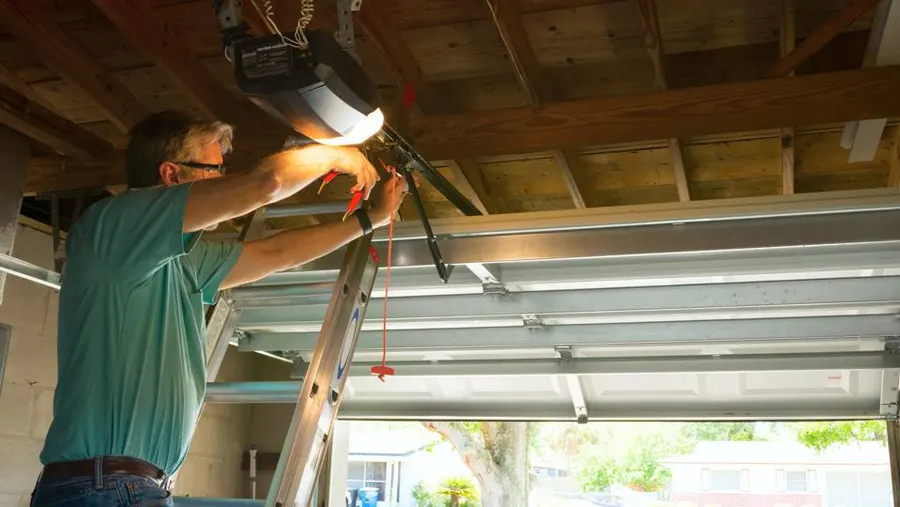
A garage door does not just fail without warning, even if it feels sudden. Strange noises, slight delays, and uneven movement usually show up first. These signals are often ignored with well-this-still-works-for-now thinking, which feels harmless at the time. Over days and weeks, those small signs begin stacking quietly until something finally gives out. A loud snap, a stuck door, or a system that refuses to move can disrupt everything. Have those early warning sounds ever been noticed but brushed aside?
Garage doors rely on tension, balance, and coordination between moving parts. Springs carry most of the load, while tracks guide movement and rollers maintain flow. When one part begins wearing down, others compensate, and strain spreads across the system. That pressure builds slowly, not all at once, which is why early awareness matters. Ignoring these shifts often leads to repairs that could have been avoided.
Catch It Early Or Pay Later – Timing Changes Everything
It is the little things that matter most. For example, garage door springs play a critical role in how the system functions every day. These springs store energy and release it to lift the heavy door smoothly.
When they begin weakening, the door may feel heavier or move unevenly. That change is often subtle, yet it signals that attention is needed. Waiting too long allows the spring to fail completely, which can lead to sudden breakdowns. When planning repairs, cost awareness becomes important as well. So make sure to visithttps://overheaddoordenver.com/garage-door-spring-repair-cost-what-you-need-to-know/ if you want to get a good idea of the cost of garage door spring replacement. Understanding this early helps homeowners prepare instead of reacting under pressure. A sudden repair often feels more expensive because it comes without warning.
Timing affects everything in garage maintenance. Springs should be checked before they snap. Tracks should be aligned before they bend. Rollers should be replaced before they wear down completely. These actions may seem small, yet they prevent larger issues from forming. Is it easier to wait until something breaks? It might feel that way, but early fixes always cost less in time and effort.
Where Trouble Starts – The Parts That Wear Down First
Garage doors show wear in predictable places, and knowing those spots makes inspections easier. Springs are usually the first components to weaken because they handle constant tension. A slight imbalance in movement often points to spring issues. Tracks may also shift over time, causing the door to move unevenly or produce noise.
Rollers play a key role in smooth operation. When they wear down, movement becomes rough and inconsistent. Hinges can loosen, which affects alignment and stability. Cables should also be checked, because fraying signals potential failure. These parts work together, and when one begins to fail, the entire system feels the impact.
Sensors and openers should not be overlooked either. Misaligned sensors can stop the door from closing properly. Electrical issues can cause delayed responses or complete failure. Each of these problems starts small, yet grows when ignored.
Simple Habits That Keep Everything Running Smoothly
Garage organization and maintenance does not require complicated tools or constant effort. A few consistent actions can keep the system reliable and efficient.
- Lubricate moving parts such as rollers and hinges every few months
- Check springs for signs of wear or imbalance
- Clean tracks to remove dirt and debris that affect movement
- Tighten loose bolts and brackets to maintain stability
- Test the door balance by lifting it manually
- Inspect cables for fraying or visible damage
These steps are simple, yet they prevent larger mechanical issues. When completed regularly, they extend the lifespan of the entire system. Consistency matters more than complexity, and small actions deliver lasting results. Do these checks feel repetitive? They are meant to be, because repetition builds reliability.
Think Ahead Not Just Today – Where Real Value Builds
Garage maintenance is not only about avoiding breakdowns, it also supports long-term value. A well-maintained system operates smoothly, reduces noise, and improves overall functionality. These benefits extend beyond convenience, because they also affect property appeal.
Planning ahead allows upgrades to be made without urgency. Preventative maintenance keeps systems stable and reduces the need for emergency repairs. When components are replaced before failure, performance remains consistent. This approach saves both time and money over the long run.
Upgrades can also improve efficiency. Modern openers offer quieter operation and better control. Insulated doors help regulate temperature, which can affect adjacent living spaces. These improvements may seem small, yet they create noticeable differences in daily use.
Have upgrades been delayed because everything still works? That approach often leads to missed opportunities. Improving systems early ensures better performance and avoids sudden disruptions.
In the end, garage maintenance is not complicated. It is about recognizing early signs, acting at the right time, and staying consistent. When these lessons are followed, homeowners avoid unnecessary stress and keep their systems running as they should – steady, reliable, and ready every day.