
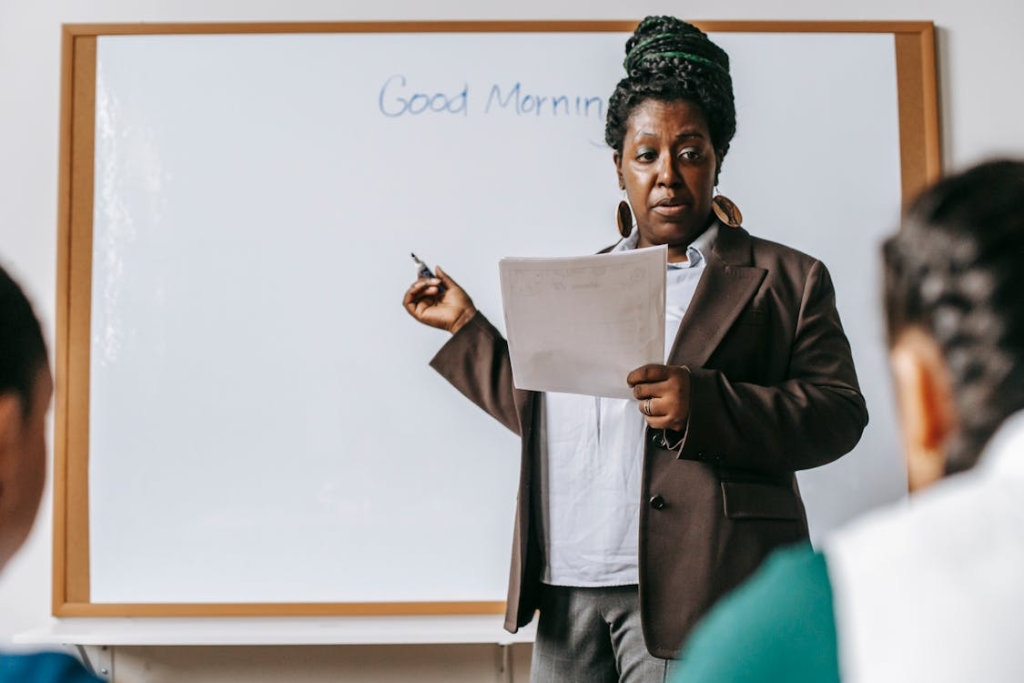
Educators shape the daily experiences of students with special needs in ways that extend far beyond academics. Strong support begins with understanding each learner’s strengths, challenges, and goals. Careful assessment, thoughtful planning, and consistent communication create a solid foundation for growth.
Teachers who build inclusive classrooms, collaborate with families, and pursue ongoing professional learning position their students for meaningful progress. Success grows when instruction is intentional, expectations remain high, and support systems stay aligned. Students with special needs respond positively to environments where they feel understood, respected, and guided with clarity.
Early Identification and Assessment
Early identification sets the tone for long-term success. Students benefit when learning differences are recognized before frustration takes hold. Careful screening and observation help educators notice patterns in academic performance, behavior, and communication. These insights allow teachers to intervene with purpose rather than guesswork.
Comprehensive assessments provide detailed information about cognitive skills, language development, social interaction, and emotional regulation. Educators can then design instruction that matches actual needs instead of relying on broad assumptions. Clear evaluation results also give families confidence that decisions are grounded in evidence. A well-informed starting point prevents small challenges from becoming long-term barriers.
Professional Growth and Advanced Credentials
Supporting students with special needs requires specialized knowledge and adaptability. Classrooms continue to change as new research shapes best practices and expands understanding of diverse learning needs. Educators who commit to professional growth stay prepared to respond with confidence and clarity.
Online education has made advanced credentials more accessible than ever. Flexible formats allow working professionals to deepen their expertise without stepping away from the classroom. Workshops, peer collaboration, and mentorship provide practical tools for daily instruction. Advanced academic training deepens understanding of learning theory, behavior management, and differentiated instruction. By enrolling in a Masters in Special Education online program, educators can strengthen their expertise in effective instructional and evidence-based practices. These programs offer structured learning that connects theory with classroom application, equipping teachers to make informed instructional decisions.
William Paterson University’s online MEd in Special Education, Teaching Students with Disabilities, serves as one example of a program designed to prepare educators for impactful roles in inclusive and specialized settings. The curriculum emphasizes assessment, instructional planning, and strategies tailored to students with disabilities, helping teachers apply research-based methods with confidence and precision.
Individualized Education Plans
Individualized education plans provide structure and direction for students with documented needs. Clear and measurable goals guide daily instruction and long-term planning. Each objective connects directly to a student’s strengths and targeted areas for improvement.
Effective IEPs reflect collaboration. Teachers, specialists, and families contribute insights that shape realistic expectations. Shared input ensures that goals align with both academic standards and personal development. Alignment between classroom activities and IEP objectives promotes consistency. Regular review keeps plans relevant. Progress monitoring allows educators to adjust strategies when growth stalls or accelerates. Students feel supported when goals evolve with their development.
Inclusive Classroom Culture
A strong classroom culture creates space for every student to participate fully. Students with special needs flourish in environments where differences are respected and valued. Teachers set the tone through clear expectations, empathy, and structured routines.
Flexible instruction supports inclusion. Varied teaching methods allow students to access content in ways that suit their learning styles. Visual supports, small-group instruction, and adapted materials encourage active participation. Peers benefit as well, since inclusive strategies strengthen collaboration and understanding. High expectations remain essential. Students rise to challenges when support is consistent and clear. Confidence grows when educators balance encouragement with accountability.
Collaboration with Families
Family partnerships strengthen student success. Parents and caregivers offer unique insight into their child’s strengths, interests, and daily routines. Open communication builds trust and reduces misunderstandings.
Regular updates keep families informed about progress and challenges. Honest conversations create shared responsibility for growth. When goals remain consistent at home and school, students experience stability and reinforcement. Constructive collaboration also allows concerns to surface early. Teachers and families can address small issues before they grow into larger obstacles. A united approach supports both academic progress and emotional well-being.
Assistive Technology Integration
Assistive technology expands access to learning in practical and meaningful ways. Students who struggle with reading, writing, communication, or organization gain tools that reduce frustration and increase independence. Text-to-speech software, speech recognition tools, and visual scheduling apps allow learners to engage with content more confidently.
Intentional integration remains essential. Technology works best when aligned with instructional goals rather than added as an afterthought. Teachers who understand both the capabilities and limits of digital tools can match resources to specific needs. Clear guidance ensures students use these supports effectively during independent work and group activities.
Social and Emotional Development Support
Academic growth connects closely to social and emotional well-being. Students with special needs may face difficulties with communication, peer interaction, or emotional regulation. Educators who address these areas directly help students build lasting confidence.
Structured routines create predictability, which reduces anxiety and supports focus. Clear expectations and consistent reinforcement provide stability throughout the school day. Direct instruction in social skills teaches students how to interpret cues, resolve conflicts, and participate in group discussions.
Data-Driven Progress Monitoring
Consistent progress monitoring keeps instruction responsive and effective. Teachers who track academic and behavioral data gain a clear view of growth patterns over time. Objective information supports informed decisions about adjustments in strategy.
Clear benchmarks provide direction. Measurable indicators help educators determine whether interventions are working as intended. When progress slows, teachers can refine instructional approaches or introduce new supports. Regular team meetings encourage collaboration and shared problem-solving.
Driving success for students with special needs requires commitment, structure, and collaboration. Early identification establishes a strong starting point. Professional growth equips educators with deeper knowledge and practical strategies. Individualized planning keeps goals clear and attainable. Inclusive classrooms foster belonging, while family partnerships strengthen consistency and trust. Assistive technology, emotional support, and ongoing progress monitoring sustain momentum.
Educators who approach their work with intention create environments where students feel capable and valued. Consistent effort, informed decision-making, and collaborative support systems guide learners toward meaningful achievement. Purposeful leadership within the classroom lays the groundwork for long-term growth and independence.


