Choosing a new roof for your home is about much more than just the look. The material you select has a significant effect on your property’s market value, long-term energy costs, and how appealing your home is to buyers. Investing in quality residential roof installation provides a powerful advantage, helping you stand out in competitive real estate markets.
Homeowners often overlook how roofing materials can shape not only the aesthetics but also the future resale value of their property. A thoughtfully selected roof can reduce a home’s ongoing energy costs, enhance its exterior style, and convey a sense of quality to future buyers. By understanding these factors, you can make a choice that delivers value for years.
Real estate experts consistently emphasize how upgrades like roofing can boost home value and improve sale prospects. In today’s competitive housing market, savvy homeowners are prioritizing smart exterior upgrades to stay ahead. Understanding how roofing choices affect your investment is key.
Roofing Materials and Their Impact on Home Value
Roofing is a major exterior feature that greatly affects a home’s sale price. Data from Remodeling Magazine’s Cost vs. Value report shows that a new asphalt shingle roof typically allows homeowners to recoup about 60% to 70% of their initial investment at resale. For a project averaging $15,000, you can expect to see an increase of approximately $9,000 to $10,500 in your home’s value. Premium materials such as slate or standing seam metal may offer even greater recoup, but much depends on your local real estate trends. The installation quality along with the perceived durability of the materials are important to both appraisers and future buyers.
It’s also important to familiarize yourself with the warranties offered by various roofing manufacturers. Many modern roofing products come with extended warranties, sometimes lasting decades or even for the lifetime of the homeowner. This not only provides peace of mind for you but can be a significant selling point for potential buyers who appreciate knowing that the roof is protected for years into the future. Additionally, some manufacturers offer transferable warranties, allowing you to provide this valuable benefit to the new owners, further increasing your home’s resale appeal.
Energy Efficiency and Cost Savings
Roofing upgrades today are about much more than keeping the rain out. The best new roofing materials feature built-in energy efficiency, with thermal insulation and reflective surfaces reducing heating and cooling bills. According to the U.S. Department of Energy, cool roofs can lower energy demand by up to 15%. Homeowners in warmer regions often notice the biggest changes, with summer cooling costs dropping significantly. Making the investment in energy-friendly roofing not only pays back in utility bills, but can help your home stand out to sustainability-minded buyers.
Beyond direct cost savings, energy-efficient roofs may qualify you for tax credits or local incentive programs intended to reward sustainable building practices. Research your area’s state and municipal incentives when planning a roof replacement. Home energy audits, often offered for free or at a discounted rate, can also help pinpoint the best type of energy-efficient roofing and attic insulation for your specific property.
Curb Appeal and Buyer Perception
A freshly installed roof greatly increases your home’s curb appeal. Potential buyers notice new or well-maintained roofs as a sign that the house has been cared for and is move-in ready. In fact, real estate agents report that homes with recently updated roofs sell 30% faster than similar properties with outdated roofs. That enhanced first impression can mean more offers and potentially a higher sale price. A new roof also removes a major worry for buyers, as they do not have to worry about near-term repairs or replacement.
Consider the latest design trends, colors, and materials that complement the home’s architectural style. Today’s roofing comes in a spectrum of colors and textures, from classic architectural shingles to designer metal patterns and synthetic slate, all of which can be chosen to harmonize with your home’s exterior palette. This ability to create a cohesive and attractive look is key to maximizing both market value and curb appeal. Consult with a roofing professional or real estate agent familiar with local preferences for additional guidance.
Maintenance and Longevity
The lifespan and upkeep required can vary greatly between roofing materials:
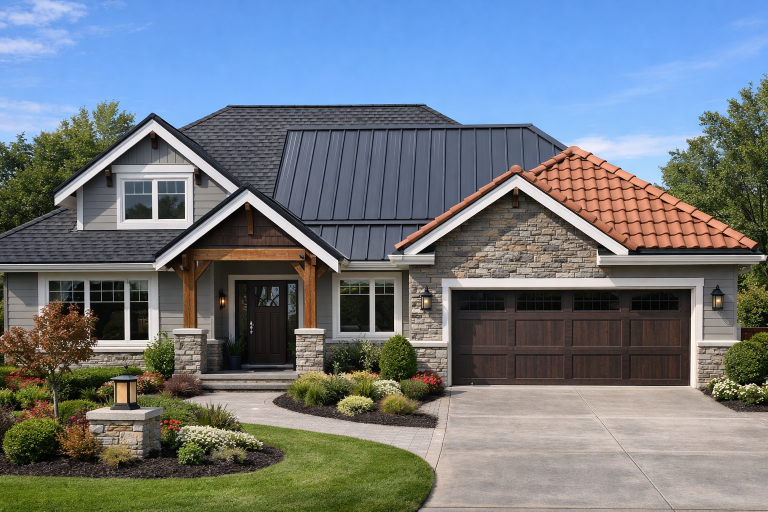
- Asphalt Shingles: These are the most common and last about 20 to 30 years. They require periodic inspections and minor repairs after major storms or over time as shingles age.
- Metal Roofing: These roofs deliver 40 to 70 years of durability with very little maintenance. They are particularly popular in regions subject to storms or wildfire risk.
- Tile Roofing: Tile options, such as clay or concrete, often have lifespans of over 50 years. They are highly resistant to weathering, but their weight may require additional support for the home’s structure.
Homes with tougher, longer-lasting materials are often valued higher. Buyers see lasting roofing as a way to avoid major expenses down the road.
Regular maintenance can also extend the life of any roof and maximize your return on investment. Scheduling annual inspections is highly recommended. Addressing small issues like loose shingles, clogged gutters, or minor leaks early can prevent far more costly repairs in the future. Additionally, keeping records of all roofing maintenance and repairs can reassure buyers that the roof has been well cared for, providing an added layer of transparency and trust during the sales process.
Regional Considerations
Your region’s climate, weather patterns, and even neighborhood norms will guide the ideal roofing choice. In coastal areas or hurricane-prone regions, metal and tile roofs are popular for their resistance to wind and moisture. In snowy northern climates, roofs with smooth surfaces or those angled for efficient shedding of snow (like metal) are preferred. Beyond climate, homeowners associations or historical requirements can also determine your material options, impacting the value of your property and your ability to sell when the time comes.
Additionally, fire codes, local energy standards, and insurance requirements can heavily influence your options. Make sure to consult with roofing contractors familiar with the demands and expectations in your specific geographic area. Their expertise can help you avoid costly mistakes and ensure you’re making a choice that both meets local standards and provides the most benefit for your investment.
Conclusion
Making an informed roofing decision is vital for protecting and growing your home’s value. By considering material quality, expected longevity, energy savings, and local climate needs, you ensure an upgrade that pays off both now and in the future. Smart roofing investments help you lower costs, wow buyers, and set your home apart on the market.
Ultimately, taking the time to research, consult with experts, and weigh your options will pay dividends in the years to come. A new roof is not only a shield for your home but also a core element of its style, energy efficiency, and marketability. Whether you’re planning to sell soon or stay for decades, thoughtful roofing choices offer lasting peace of mind and financial benefits.