
Your home runs on electricity in more ways than you probably notice. It powers the obvious stuff, like lights and chargers, but it also supports safety systems, kitchen appliances, internet gear, and the random collection of devices multiplying in every room. If your setup feels outdated, overloaded, or just inconvenient, a few smart electrical upgrades can make daily life smoother while helping you avoid expensive problems later.
Add Outlets Where You Actually Use Power
One of the most noticeable quality-of-life upgrades is simply placing outlets where they make sense. You shouldn’t need a power strip octopus behind every couch, desk, or kitchen counter.
Modern outlet planning can include:
– USB or USB-C charging outlets near beds and desks
– Floor outlets for open-concept living rooms
– Dedicated appliance outlets in kitchens
– Garage outlets for tools, freezers, or battery chargers
– Outdoor weather-resistant outlets for patios and yard equipment
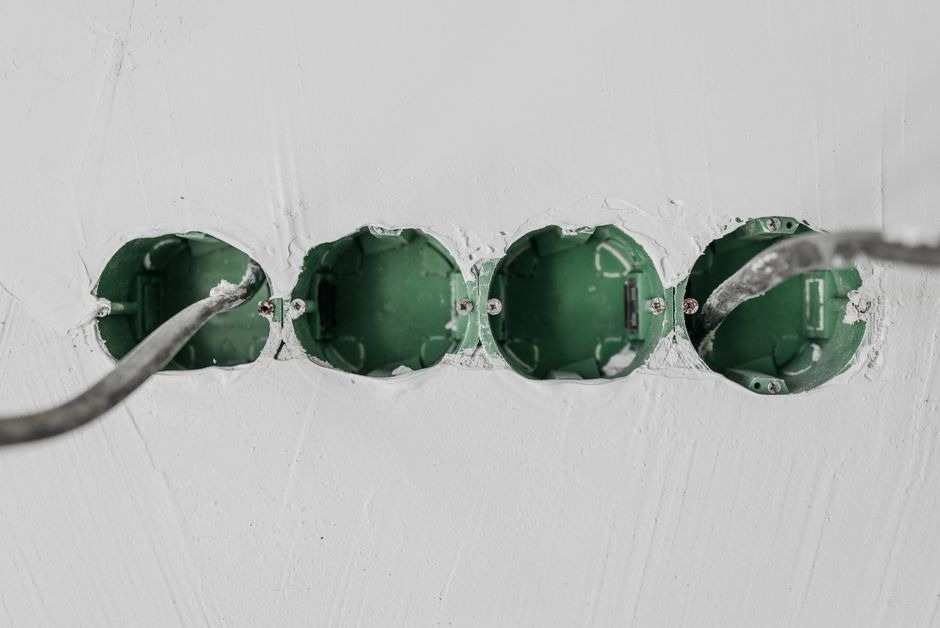
This is where professional electrical installation services become especially valuable. Clean placement, proper load calculations, and code-compliant wiring matter more than most DIY videos admit. A neat outlet upgrade looks simple when it’s finished. Getting it safely behind the walls is the real craft.
Start With What Your Home Is Asking For
Before you buy smart switches or dream about a perfect media wall, pay attention to the signals your house is already sending. Flickering lights, warm outlets, tripped breakers, buzzing switches, and extension cords that have become permanent furniture all point to a system under stress.
Older homes often weren’t designed for modern electrical loads. A house built decades ago didn’t expect gaming PCs, multiple TVs, air fryers, EV chargers, and six devices fighting over one bedside outlet.
A practical first step is listing the pain points room by room. Notice where you need more power, better lighting, stronger surge protection, or safer wiring. That gives you a realistic roadmap instead of a random shopping spree with a screwdriver.
Improve Lighting for Function, Not Just Style
Lighting upgrades can completely change how your home feels, but function should come before aesthetics. A dramatic fixture looks great until you realize your kitchen prep zone still has cave-level shadows.
Focus on how you use each space. Kitchens need task lighting under cabinets or over work surfaces. Bathrooms need even lighting around mirrors. Hallways and stairs benefit from brighter, safer illumination. Home offices work better with layered lighting that reduces screen glare and eye strain.
Dimmer switches, recessed lights, motion sensors, and smart controls can all help, but only when they fit the room’s purpose. Good lighting design feels invisible because everything works the way you expect. You stop squinting, stop juggling lamps, and stop pretending one overhead bulb can carry an entire room.
Don’t Ignore Safety Devices and Code Essentials
Some upgrades aren’t exciting, but they carry serious weight. If your home lacks GFCI protection in kitchens, bathrooms, garages, laundry areas, or outdoor spaces, that needs attention. AFCI protection is also important in many living areas because it helps reduce fire risk from arc faults.
You should also think about:
– Whole-home surge protection
– Hardwired smoke detectors with battery backup
– Carbon monoxide detectors
– Tamper-resistant outlets
– Dedicated circuits for major appliances
These improvements often stay out of sight, which makes them easy to postpone. That can be a mistake. Safety equipment does its best work when nothing dramatic happens at all. Quiet protection is still protection, even if it doesn’t come with sleek app controls or mood lighting presets.
Make Room for Home Tech Without Creating Chaos
A connected home can be extremely convenient, but it needs structure. Smart thermostats, cameras, video doorbells, network equipment, streaming devices, and automated lighting all depend on reliable power and thoughtful placement.
Instead of plugging everything into whatever outlet is nearby, plan for centralized needs. You may want dedicated power for your router and modem area, concealed outlets for mounted TVs, or backup battery support for key devices.
Cable management also matters more than people expect. A clean setup is easier to maintain, troubleshoot, and expand. If you’re building a media area or a gaming station, ask for enough outlets and proper spacing from the start. Future-you will appreciate not crawling behind furniture with a flashlight and deep regret.
Plan Ahead for High-Demand Additions
Some of the biggest electrical changes happen when your lifestyle shifts. Maybe you buy an electric vehicle, build a backyard office, install a mini-split system, or remodel the kitchen into a serious cooking zone.
These projects often require more than one extra outlet. They may need dedicated circuits, panel upgrades, new wiring runs, or permits and inspections. Planning ahead can save both money and wall damage.
Common high-demand additions include:
– EV chargers
– Hot tubs and spas
– Workshops with heavy-duty tools
– Home additions or converted garages
– New HVAC equipment
If one of these projects is even vaguely on your horizon, mention it early when discussing home electrical improvements. Installing with growth in mind usually beats paying twice for a patchwork setup later.
Know When DIY Stops Being Smart
There’s a difference between replacing a lamp and opening up your home’s electrical system. It’s tempting to treat wiring like a weekend challenge, especially when tutorials make everything look suspiciously easy.
Basic tasks may be manageable for experienced homeowners in some situations, but new circuits, panel work, hidden wiring, service upgrades, and troubleshooting recurring electrical issues should go to a licensed pro. Poor electrical work can create fire hazards, shock risks, failed inspections, and expensive repairs.
A good electrician doesn’t just install parts. They evaluate load, grounding, code compliance, circuit design, and long-term reliability. That expertise matters. Electricity is useful, invisible, and deeply uninterested in your confidence level.
Choose Upgrades That Support Daily Life
The best electrical improvements aren’t always the most expensive or the most high-tech. They’re the ones that remove friction from everyday routines while making your home safer and more adaptable.
A better-lit kitchen, a garage with the right circuits, a panel ready for future upgrades, and outlets placed where you actually live can change how your home works without changing its character. That’s the sweet spot.
If you’re planning updates, start with safety, capacity, and function. Then layer in convenience and smart features where they genuinely help. A strong electrical setup won’t get the same attention as new flooring or a fancy backsplash, but it quietly supports nearly everything else you do at home. That’s a pretty solid return for something hiding behind the walls.


