
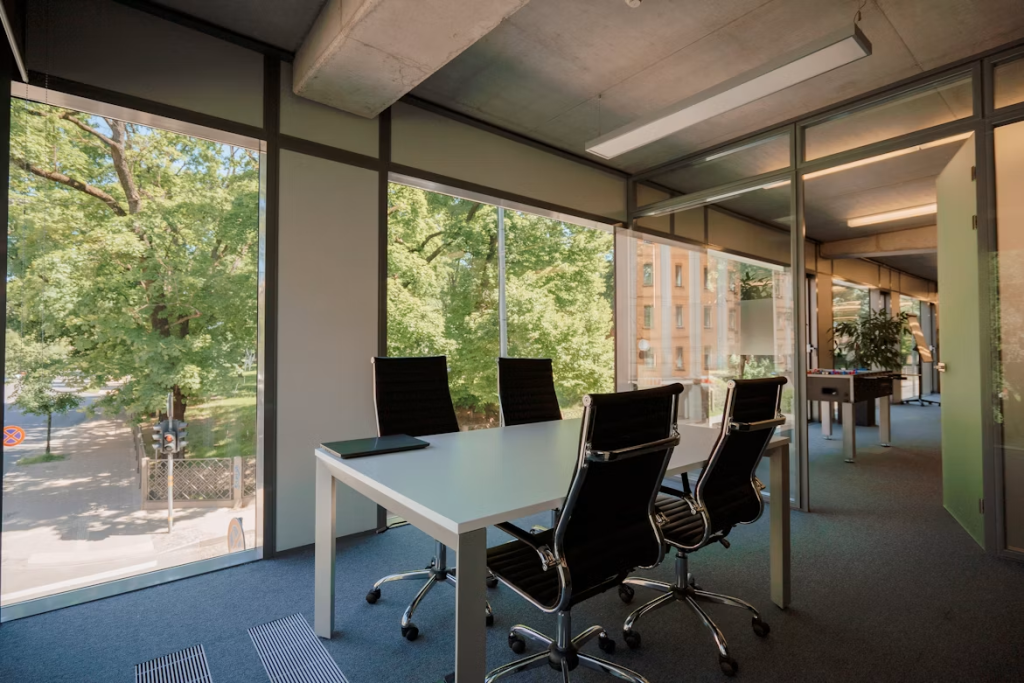
 Image Credit: Unsplash
The air in our offices directly affects how clearly we think, how well we solve problems, and how productive we are. We often focus on things like office setup, software, and management styles to boost performance, but we tend to overlook the invisible factor of indoor air quality. Improving the air where you work isn’t just about health and comfort; it’s a smart move that improves how people think and how much work gets done.
This article will look at how air quality and productivity are linked, point out common problems, and offer practical ways to create a healthier, more effective workspace.
Air Quality and Cognitive Function
There’s plenty of proof that bad air quality makes it harder to think. When indoor spaces don’t get enough fresh air, pollutants like carbon dioxide (CO2) from our own breath and volatile organic compounds (VOCs) from office stuff build up. A lot of these substances can cause symptoms that often get brushed off as a “mid-afternoon slump,” like headaches, tiredness, and trouble focusing.
Research from Harvard’s T.H. Chan School of Public Health has shown that office air quality may significantly affect employees’ cognitive function. In controlled studies, people in well-ventilated rooms with less CO2 and VOCs did much better on tests that measured how they handled crises, strategized, and used information. This suggests that the air your team breathes is directly connected to their ability to do complex tasks. It’s not just about avoiding sickness; it’s about helping everyone perform at their best mentally, every single day.
Identifying Indoor Pollutants
To make your air better, you first need to know what’s making it bad. Indoor air pollutants come from many places, and a lot of them are common in offices and factories. Figuring out these sources is the first step to fixing the problem.
In a typical office, you’ll often find these pollutants:
- Volatile Organic Compounds (VOCs): These are gases that come from certain solids or liquids. You’ll find VOCs in paint, cleaning supplies, new furniture, carpets, and office equipment like printers and copiers. They can irritate your eyes, nose, and throat, and also cause headaches and dizziness.
- Carbon Dioxide (CO2): While not a pollutant in the usual sense, high levels of CO2, mainly from people breathing in crowded or poorly ventilated areas, can make you feel sleepy and less focused.
- Particulate Matter (PM2.5): These are tiny, breathable particles from dust, pollen, mold spores, and things that burn. They can get deep into your lungs and affect both your breathing and your brain.
- Biological Pollutants: Mold, bacteria, and viruses love damp places, often found in HVAC systems that aren’t kept up or in areas with water damage.
In industrial or manufacturing settings, the sources can be more intense, including dust from raw materials, chemical fumes, and metal particles. Controlling these requires special industrial air filtration systems. For example, dust collection systems for high-temperature uses often rely on tough parts like Nomex filter bags to catch fine particles right at the source. This stops them from spreading into the rest of the workspace and protects workers’ health and productivity. The U.S. Environmental Protection Agency says that improving indoor air quality often comes down to controlling pollution sources and making sure a building is properly ventilated.
Strategies for Cleaner Air
Once you know what pollutants might be around, you can start making the air cleaner and healthier. Many of these solutions are simple and won’t cause much disruption.
- Improve Ventilation: The easiest thing to do is let more outside air in. This can be as simple as opening windows and doors when the weather and outdoor air quality allow. For mechanical systems, make sure your HVAC is set to bring in enough fresh air, instead of just recycling old indoor air. Regular maintenance and filter changes are really important.
- Invest in Air Purification: HEPA (High-Efficiency Particulate Air) purifiers are good at removing dust, pollen, mold, and other tiny particles from the air. Put these units in busy areas or private offices to get the most benefit.
- Choose Low-VOC Materials: When you’re renovating or buying new furniture, carpets, or paint, pick products labeled “low-VOC” or “zero-VOC.” This cuts down on harmful chemicals gassing off into your workspace.
- Control Humidity: Keep indoor humidity levels between 30% and 50%. This range is comfortable for most people and helps stop mold and mildew from growing. You can use dehumidifiers in damp spots, and humidifiers in very dry climates.
- Promote Greenery: Indoor plants can naturally clean the air, soaking up some pollutants and releasing oxygen. While they don’t replace good ventilation, they do make the environment healthier and more pleasant. The impact on cognitive function and well-being from these small changes can be significant.
Measuring the ROI of Clean Air
Spending money on better air quality isn’t an expense; it’s an investment in your most important asset: your people. You can measure the return on this investment (ROI) using a few key indicators. A healthier workplace directly means fewer sick days. The Occupational Safety and Health Administration (OSHA) recognizes that poor indoor air quality can be a big workplace danger that leads to health problems. Reducing airborne pollutants and allergens helps you cut down on respiratory illnesses and absences.
Perhaps the most direct benefit is the boost in productivity. As research shows, employees in clean-air environments think more clearly, make better decisions, and get tasks done more efficiently. This increase in output might be hard to measure day-to-day, but it adds up to big gains over time. You could track things like project completion times or error rates before and after you improve air quality.
Finally, showing you care about a healthy workplace is a powerful way to attract and keep good employees. Today’s employees are more aware of and concerned about their work environment. Showing that you prioritize their health and well-being can improve morale, make people happier with their jobs, and make your company a more appealing place to work. The cost of replacing an employee is huge, so keeping staff is a key part of the ROI calculation.
Ultimately, cleaner air creates a workplace where people feel better, work smarter, and are more engaged. This creates a positive cycle that benefits both the employees and the company’s bottom line.