
 Image Credit: Unsplash
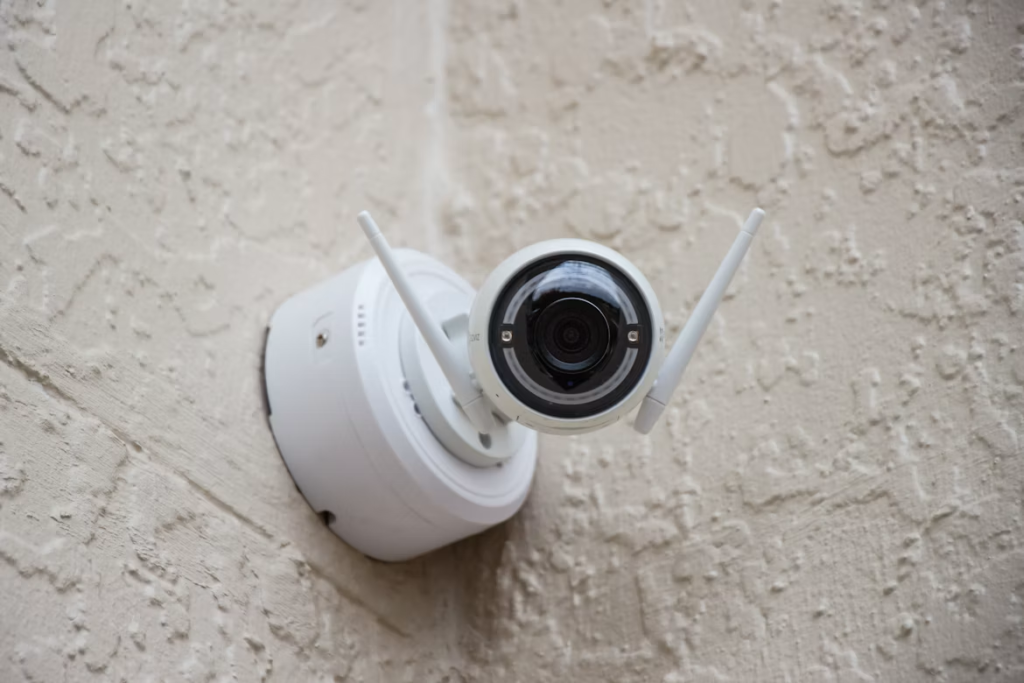
For most businesses, security cameras are a “set it and forget it” tool. They’re installed for loss prevention and to review incidents, quietly recording in case something goes wrong. But what if that footage could do more than just show you what happened yesterday? What if it could tell you what to do tomorrow? This shift in thinking turns your security system from a simple reactive measure into a powerful source of business insights.
Your video feeds are full of raw, unorganized data about how people use your physical space. Looking at this information helps you find patterns and trends you wouldn’t see otherwise, giving you a clear path to smarter, data-driven decisions.
Beyond Just Watching
Security cameras traditionally play a passive role. You only check footage after something happens, like a theft or an accident. Business intelligence turns this idea around. Instead of just looking for negative events, you actively analyze visual data to find positive chances for growth and efficiency.
This means seeing your footage not as a security log, but as a constant stream of operational data. It can show how customers move through your store, where employees spend their time, and which parts of your facility aren’t being used enough. This proactive approach turns what was once just an insurance policy into a strategic asset.
Insights from Visual Data
Raw video footage is just pixels until it’s processed and analyzed. To turn this footage into useful insights, you need systems that can spot patterns and convert them into helpful measurements. Modern enterprise video management software does more than just record and store video; it can analyze content to create reports on traffic flow, how long customers stay in certain areas, and how long lines are.
This process, often called video intelligence, uses technology to automatically pull out meaningful information. For example, the system can count how many people enter a specific zone, measure how long they stay, and create “heat maps” that show the most popular areas. This changes subjective observations into measurable data you can act on.
Optimizing Retail and Workflow
In retail, understanding customer behavior is crucial. Video analytics can give you a clear picture of how customers move through your store. You can find out:
- Popular Paths and Dead Zones: Heat maps show which aisles and displays get the most attention and which ones are ignored. This helps you arrange products and optimize your store layout.
- Queue Management: Analytics can alert managers in real time when checkout lines get too long, letting them open another register before customers get frustrated.
- Staffing Levels: By analyzing foot traffic patterns throughout the day, you can schedule staff more effectively. This ensures you have enough help during busy times and cuts costs during slower periods.
The same idea applies to warehouses and offices. You can analyze forklift routes to find bottlenecks or study meeting room usage to decide if you need more or fewer collaborative spaces. It’s all about using visual data to streamline operations.
Improving Customer Experience
The insights from video analytics directly lead to a better customer experience. When you understand how people naturally move through your space, you can remove problems and make their visit more enjoyable. A well-organized store layout, based on actual customer flow, makes it easier for shoppers to find what they need.
Shorter wait times at checkout, thanks to proactive queue management, leave a lasting positive impression. Even simple things, like making sure high-traffic areas are always clean and well-stocked (a task made easier by traffic data), contribute to customer satisfaction. Ultimately, a smoother, more intuitive experience encourages repeat business and builds loyalty.
Making Smarter Operational Choices
Video-based business intelligence can be used in many areas beyond the sales floor. In manufacturing or logistics, analyzing footage can help improve worker safety by spotting near-miss incidents or making sure safety rules are followed. In an office, it can help with real estate decisions, showing how your current space is used and what you might need in the future.
By treating your security footage as a data stream, you empower your organization to make decisions based on evidence. Instead of relying on gut feelings or stories, you have concrete data to guide your strategy for everything from marketing and merchandising to staffing and facility management. Combining video analytics with other smart business tools gives entrepreneurs a more complete view of operations and supports better day-to-day decision-making.
Your security cameras are already collecting this valuable information. The next step is to start listening to what it has to say.


