
 Image credit Unsplash
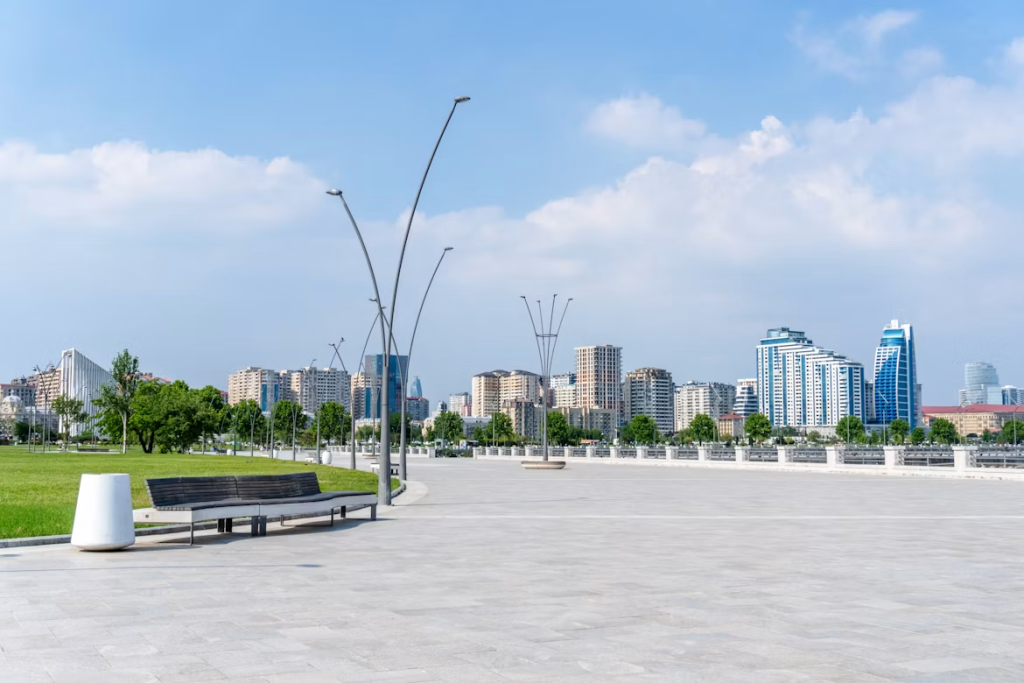
Well-designed public spaces are like the beating heart of a lively community. They’re where people gather to connect, chill out, and just be themselves. But making a spot that folks truly love and actually use takes more than just tossing in a few benches and some plants. What really makes a park, plaza, or event venue efficient and appealing is its hidden backbone – all those practical bits and pieces that make for a great experience. When these foundational elements are thought out and put in place just right, they lift the whole space from simply working to truly welcoming.
More Than Just Open Space: The Goal of Great Design
When you’re designing a public space, the main goal isn’t just to fill an empty lot. It’s about creating an environment that genuinely serves the people who use it. This means really thinking about how people move around, how easy it is to get to, and how comfortable it feels. How do folks navigate the area? Are there clear paths for both walkers and bikers? Is there enough shade for those hot days and a bit of cover when it rains?
Good design actually anticipates what people will do. For instance, arranging seating in little groups encourages chatting, instead of just lining chairs up like soldiers. And adding multi-use features, like a low wall that can also be a bench, gets more out of the space without making it feel cluttered. The best public spaces just feel natural and easy, gently guiding visitors and making them want to stick around longer.
Don’t Overlook the Amenities
One of the most important, but often overlooked, parts of any site’s setup is the quality of its facilities. A beautiful park can quickly lose its charm if the restrooms are dirty, old, or just not enough. Clean, accessible, and well-kept toilets aren’t some fancy extra; they’re absolutely essential for a successful public space. They directly affect how long visitors can comfortably stay and whether families with little ones feel welcome.
For event planners, construction site managers, or community organizers looking for quick and effective improvements, modern solutions offer some big perks. For example, high-quality modular toilet buildings can be set up fast, giving you comfy and compliant facilities without all the fuss and disruption of traditional building. These structures can even be customized to fit specific needs, like accessibility standards, making sure everyone has a good experience. Just this one upgrade can really change how people see and use the space.
Weaving in Technology for Smarter Spaces
These days, modern infrastructure is increasingly using technology to make things better and easier for users. This doesn’t mean everything has to be super high-tech. Even simple additions can make a huge difference. Think about solar-powered lights that make things safer after dark, or charging stations for phones and laptops so people can work or stay connected.
Other clever features might include digital signs that show real-time info about events, bus schedules, or weather updates. Some cities are even putting in sensors that check air quality and noise levels, giving valuable data for future city planning. By adding simple, useful technology, we can make public spaces more responsive, safe, and convenient for everyone.
Putting People First with Placemaking
Ultimately, the most successful public spaces are designed with a deep understanding of the community they’re meant for. This people-first approach is often called “placemaking.” It’s a team effort where planners, designers, and community members work together to create a space that truly reflects local culture and meets specific needs. Great public space design and placemaking put people first, ahead of cars and commerce.
This strategy focuses on creating spots with a strong identity. That could mean commissioning local art, hosting a farmers’ market, or designing a playground that tells a local story. There are many effective strategies for transforming cities by focusing on the places people share. When people feel a sense of ownership and connection to a space, they’re much more likely to use it, respect it, and take care of it for years to come.
By focusing on these practical improvements – everything from essential amenities to smart tech and community-focused design – we can create public spaces that are not only efficient but also truly cherished parts of our communities.


