 Image Credit: Unsplash
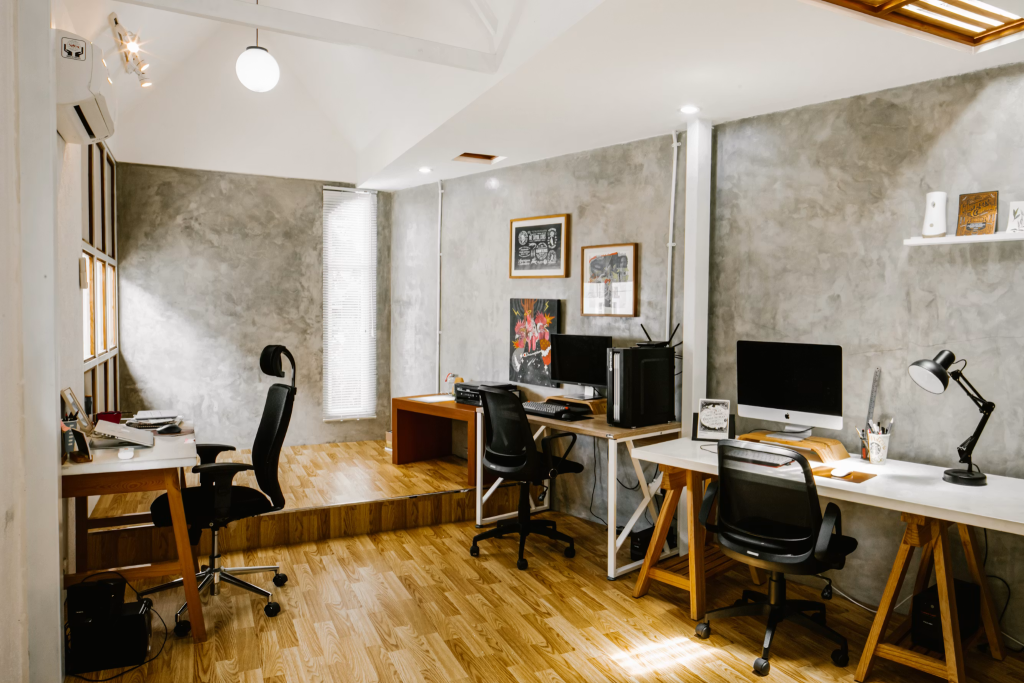
Working from home has become a normal thing for many of us, and that old kitchen table setup just isn’t cutting it anymore. Setting up a proper home office means more than just finding a quiet spot for calls. It’s about building a space that really works for you, keeps things safe, and helps you focus. A well-thought-out home office can seriously boost how much you get done and help you keep your work life separate from your home life. This guide will walk you through how to create a home office that’s both a productivity powerhouse and a secure personal zone. We’ll cover everything from picking the right furniture to getting your lighting just right, because creating an ergonomic office setup is key to staying comfy and efficient in the long run.
Ergonomics for Productivity
How comfortable you are physically really affects how well you can focus and get things done. If your setup isn’t ergonomic, you might find yourself distracted, uncomfortable, or even dealing with health issues down the road. The main idea here is to set up your space so your body feels supported, letting your mind zero in on your tasks.
Let’s start with your chair. An ergonomic chair that you can adjust is a must-have. Look for things like lower back support, adjustable armrests, and a seat that goes up and down. Your feet should be flat on the floor, and your knees should be bent at a 90-degree angle. Next, think about your desk. A height-adjustable desk lets you switch between sitting and standing, which can help with blood flow and keep your energy up all day.
Your monitor setup is just as important. The top of your screen should be at or just below your eye level, and about an arm’s length away. This stops you from hunching over and straining your neck. If you’re using a laptop, plug it into an external monitor or use a laptop stand with a separate keyboard to get that perfect height. Getting your ergonomic office design right is super important for both your well-being and your work output. Finally, make sure your office has good lighting. Natural light is the best, but a good desk lamp that doesn’t cause glare is essential to keep your eyes from getting tired.
Controlling Access and Privacy
Your home office probably holds important company documents, expensive gear, and personal information. Keeping this space secure isn’t just about protecting your stuff; it’s also about creating a mental boundary so you can focus without interruptions. The first step is a strong, lockable door. This simple barrier tells family or roommates that you’re working and shouldn’t be disturbed.
When you’re picking a lock, go for a sturdy deadbolt or a good-quality keyed doorknob. This stops people from just walking in and adds another layer of security. The door itself should be solid, not hollow, because solid doors offer better security and block more sound. For a really professional and secure setup, you might want to look at products commonly used in commercial buildings. The quality of certain commercial door hardware means it’s designed for durability, security, and frequent use, giving you added peace of mind for your workspace.
Beyond the door, think about privacy. If your office has big windows facing a busy area, consider putting up blinds or privacy film. These let you control how much people can see in and how much natural light comes in, helping you create a more private and focused vibe. Crafting the ideal home office is all about finding that sweet spot between being open and needing a secure, controlled space.
Soundproofing for Focus
Noise is a huge productivity killer when you’re working from home. Every day sounds, like a dog barking or the dishwasher running, can easily pull you away from deep focus. Luckily, there are a few things you can do to soundproof your office and create a quiet haven.
Start with soft surfaces, which soak up sound waves instead of bouncing them around.
- Flooring: A thick area rug or wall-to-wall carpet can really quiet things down. If you have hard floors, adding a rug with a dense pad underneath works wonders.
- Windows: Heavy curtains or drapes are great at absorbing outside noise. For even better results, look for special acoustic curtains.
- Walls: Bare walls can make echoes, but you can easily soften them up. Hang fabric wall art, put up a big corkboard, or even fill bookshelves with books to break up and absorb sound.
If you have bigger noise problems, you can improve the room’s structure. Sealing gaps around your door frame and windows with weatherstripping can block a surprising amount of sound. As we mentioned earlier, a solid-core door is much better at blocking noise than a hollow one. If you’re serious about quiet, you could also put acoustic foam panels on the walls or ceiling. These are made specifically to trap sound waves and are a popular choice for home recording studios and focused workspaces.
Integrating Smart Security Systems
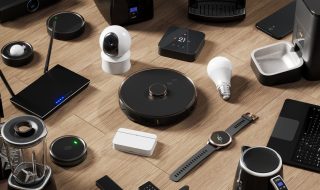
Smart tech can really step up your home office security, taking it from basic to super advanced. Modern smart systems offer convenience and control, letting you keep an eye on and manage your workspace from anywhere. This is especially handy if you keep valuable equipment or sensitive info in your office.
A smart lock on your office door is a great place to start. It lets you lock and unlock the door with your phone, a keypad code, or even your voice. You can give temporary access to a family member or a cleaner without handing over a physical key, and you can check the door’s status remotely to make sure it’s locked when you’re out. Many smart locks also keep a record of activity, so you know exactly when the door was opened.
For an extra layer of monitoring, think about a small indoor security camera. Place it to cover the main entrance of your office. Modern cameras come with features like motion detection alerts sent right to your phone, two-way audio, and night vision. When picking a camera, look for models with strong privacy features, like a physical lens cover or the option to set “home” and “away” modes that turn off recording when you’re there. These systems are part of designing a functional and comfortable modern workspace. You can also add sensors for doors and windows that will alert you to any unauthorized entry, giving you full control over your office’s security.
By thoughtfully combining comfy ergonomic design with physical and digital security, you can turn any spare room into a super effective and secure home office. This investment not only makes your daily work life better but also protects your professional and personal life.