You usually do not realize how disconnected your house feels from the outside until you renovate specifically for the view. A homeowner replaces a few windows expecting a visual upgrade, then suddenly the entire room feels off afterward. The couch blocks the scenery. The dining area feels stuck in the wrong corner. A random interior wall cuts the natural light in half. Even the staircase starts feeling bulky once your eye naturally wants to move toward the landscape outside instead of stopping inside the room.
In places like Ohio, where homes may overlook wooded lots, rolling landscapes, lakefront areas, or long stretches of seasonal trees, homeowners are realizing the outside environment can completely change how a living space feels emotionally. Once you experience larger windows and open visibility, traditional closed-off layouts suddenly feel restrictive.
Windows Change the Entire Mood
Most scenic renovations start with one simple realization: your windows are probably much smaller than they should be for the view you actually have outside. A room can face beautiful trees, open land, or water and still feel strangely boxed in because the windows interrupt the experience instead of opening toward it.
Given this, homeowners often start with larger window upgrades before touching anything else structurally. Once you begin researching the best window replacements in Ohio, you quickly notice people are not only talking about insulation or efficiency anymore. They want cleaner sightlines, thinner framing, and wider glass areas because the windows themselves shape how connected the room feels to the outdoors. The funny part is what happens afterward. Once bigger windows go in, you suddenly start noticing everything else blocking the experience. Furniture placement feels wrong. Walls feel unnecessary. The room itself starts demanding a different layout because the view now feels like the real centerpiece.
You Stop Designing Around Furniture
A scenic renovation completely changes what your living room revolves around. Traditional layouts usually point everything inward. Sofas face televisions. Chairs gather around coffee tables. Shelving fills the walls. Once you open up a major outdoor view, though, your attention naturally shifts outward instead.
You may find yourself moving furniture around almost immediately after the renovation because the room no longer feels balanced the old way. People naturally start positioning seating toward windows instead of entertainment centers. Heavy furniture suddenly feels visually distracting because it interrupts the scenery. Even conversations inside the room change because people start reacting to the weather, sunsets, trees moving outside, or changing light throughout the day. The view stops acting like background decoration and starts becoming part of how the room actually functions.
Walls Start Feeling Annoying
One interior wall can completely ruin the flow of a scenic home once you notice what it blocks. You stand in the kitchen, realizing you can only partially see the backyard. Then you move into the living room, and suddenly the full landscape opens up. This moment is usually where homeowners start questioning why the wall exists at all.
Scenic renovations often turn into open-concept remodels pretty quickly. Once visibility becomes important, divided rooms feel frustrating because they interrupt both natural light and outdoor connection. Removing walls changes the emotional feel of the entire house because your eye can finally travel naturally through the space without constantly stopping. You end up feeling more connected to the outdoors from almost everywhere inside the home, instead of only from one “good view” room.
Natural Light Takes Over
You may think you are renovating for the scenery, though natural light usually becomes just as important afterward. Bigger windows completely change how daylight moves through the house. Suddenly, your hallway stays bright longer. Morning light reaches deeper into the kitchen. Certain rooms feel warmer and more open without changing a single paint color.
Once you experience rooms filled with natural light consistently, darker, closed-off spaces start feeling heavy pretty quickly. Many homeowners end up making additional structural changes simply because they want more of that openness throughout the house.
The Outdoors Starts Feeling Connected
One of the biggest changes scenic renovations create is how connected the outdoors starts feeling to everyday life inside the house. Patios stop feeling like separate add-ons you visit occasionally. Balconies become extensions of the living room. Large sliding doors and open transitions make the house feel like it stretches outward naturally.
You begin noticing that connection during simple daily routines. Drinking coffee near the windows feels different. Family dinners feel more open once the landscape stays visible beside the table. Even moving through the house changes because your attention keeps drifting naturally toward the outside. Scenic renovations work so well because they remove the feeling that the home and the landscape are two completely separate experiences.
Higher Levels Suddenly Matter More
A scenic renovation can completely change how homeowners think about vertical space. People start realizing the second floor may actually have the best visibility in the house, or that a slightly elevated sitting area completely changes the experience of the landscape outside. That often pushes renovations upward instead of outward.
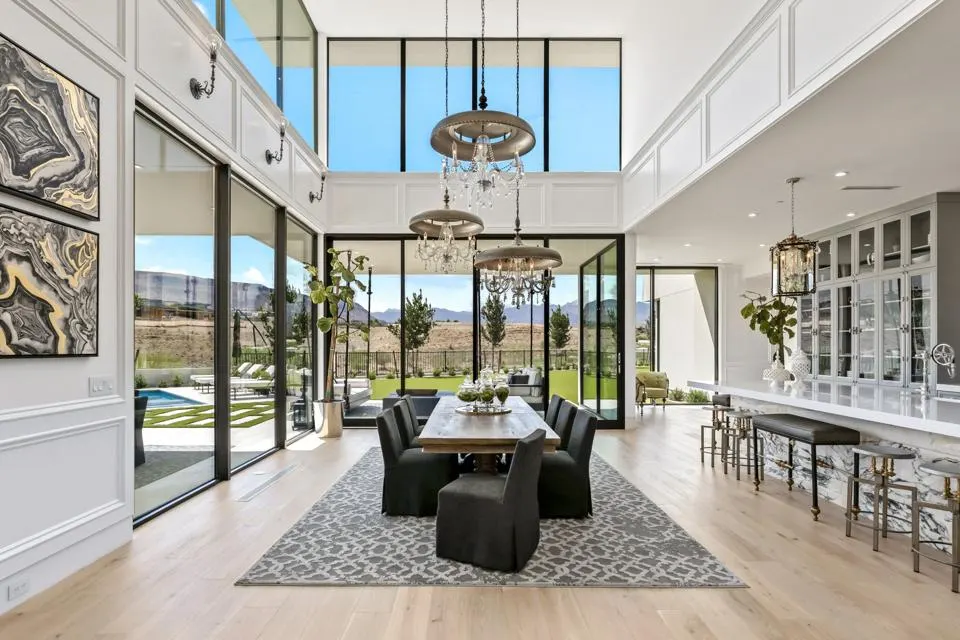
Some homeowners add loft seating areas specifically for the view. Others redesign upstairs rooms because the scenery feels stronger from higher angles. Even ceiling height starts feeling more important once you want the room to feel open toward the outdoors instead of compressed inward. Scenic homes often feel more dramatic because the structure begins emphasizing height, openness, and long sightlines instead of keeping everything visually boxed into separate levels.
Dining Areas Move Toward the View
Dining rooms used to be placed mostly wherever the floor plan allowed them to fit conveniently. Scenic renovations completely change that logic. Homeowners increasingly want the dining space where the best light and outdoor visibility exist because people naturally spend longer there once the atmosphere feels open and connected to the landscape.
You start noticing how different meals feel once trees, water, or open scenery become part of the experience around the table. Morning coffee feels calmer near natural light. Evening dinners feel more relaxed once the room opens outward instead of facing an interior wall.
Family Spaces Reorganize Naturally
Scenic renovations quietly change where people gather inside the house. Once the best view opens up in a certain direction, family spaces naturally reorganize around it. Seating areas rotate. Reading corners move closer to windows. Shared rooms begin facing outward instead of inward.
People linger longer in rooms connected to natural light and outdoor visibility because the atmosphere feels calmer and more open. A scenic renovation often makes the home feel less compartmentalized emotionally because everyone gravitates toward the same visually connected spaces.
Renovating for scenic views changes how rooms flow, where people gather, how natural light moves, and what parts of the house actually feel comfortable to spend time in. Once homeowners experience larger views and a stronger outdoor connection, older layouts often start feeling closed off and unnecessarily divided.