
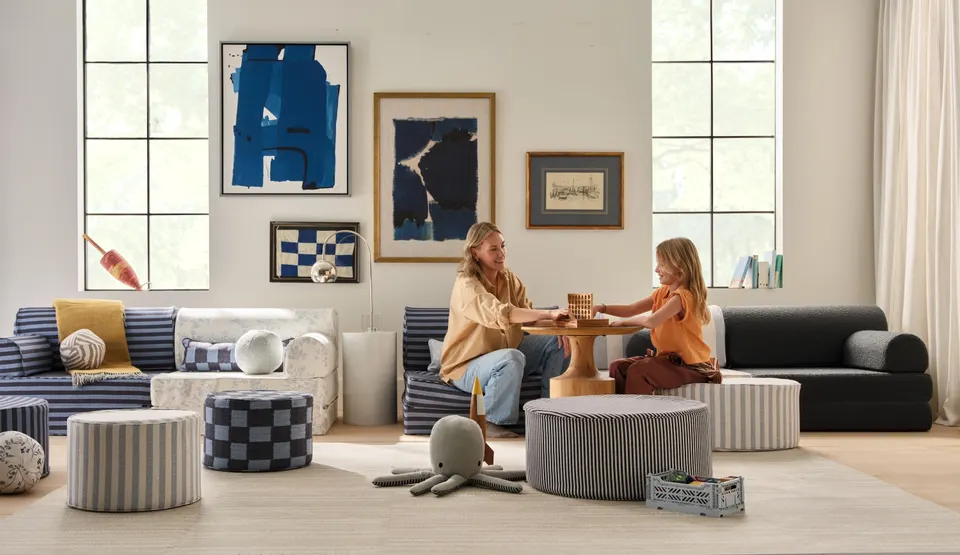
Home design today is a blend of art and science. Mixed styles can achieve a variety of different descriptions of a space. Mixing styles will give the homeowners function and aesthetics while allowing a homeowner the ability to create a cohesive look that blends a classic elegance look with contemporary fun. It does not matter whether you will be shopping for antique or modern furniture you will be able to create your own unique look with the two. If you are looking for unique furniture pieces to begin the process, you can shop affordable furniture at Decor Steals. Some of the collections are suitable for multiple styles of design.
The use of classical and modern items together creates a shared meaning of space and develops the overall look of your own space. By using both hard and soft designs in one’s home you can create vibrancy and an inviting atmosphere. The physical and psychological guidelines in the article provide a visual method for successfully blending classical antique type items that are not always the same size. To be successful in this aspect of decorating, you will have to go with what designers refer to as complementary colors, through scale and design patterns, as well as similar color and texture types throughout your home’s decor.
Using the 80/20 rule when decorating your home
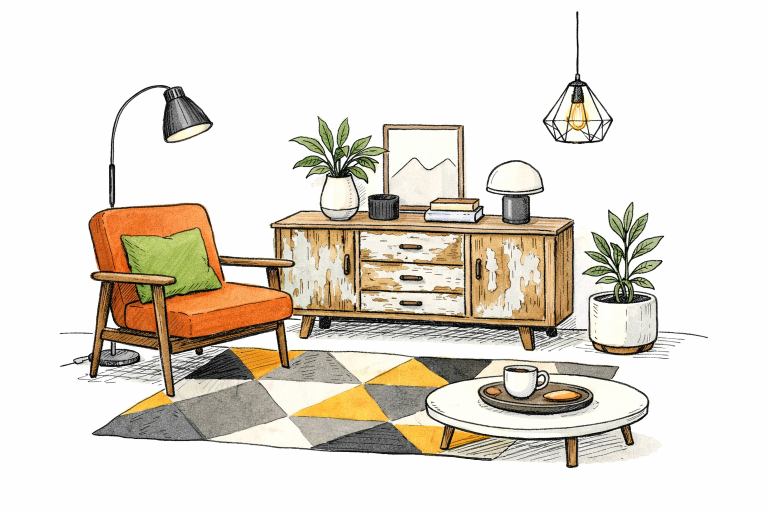
Decorating is generally accomplished by following the 80/20 rule! The 80/20 rule is the principle that says that only 80% of your furniture should be classical in style and only 20% of your home should consist of modern (trend) furniture. The formula allows large pieces (i.e., a neutral sofa or a solid wood dining table) to provide an ageless base for design, while using bright ottomans, artwork, or accent tables to add personality. Hudson’s Furniture also uses the same idea; they call it “the timeless foundation,” which produces a space that feels modern and inviting. A home with this rhythm can make modest modifications to its aesthetics versus a complete renovation.
Layering Materials and Textures for Dimension
By layering various materials and textures, you create a beautifully layered interior. An example would be pairing a soft velvet chair next to an aged oak dresser or using a cold glass top coffee table with a warm leather sofa. The use of shiny vs. matte surfaces, as well as contrasting rough vs. smooth surfaces, creates visual interest and incorporates an adventurous, multifaceted style. According to design professionals, mixing materials creates both comfort and usage options in the home and is not just for aesthetics.
Using Color and Pattern to Connect Styles
Bringing together various styles of furniture relies on using a combination of colors and patterns. Choose 2-3 foundational colors for large items; begin to introduce accent colors through patterned fabrics, area rugs, and pieces of artwork/wall decor. For example, if you have a vintage upholstered chair with intricate embroidery, you could use the color of the upholstery in contemporary accent cushions or artwork. Having a consistent palette will allow very diverse finished pieces to be compatible with each other. For more expert tips, check out the design advice provided by Homes & Gardens.
Proper Scale and Proportion
It is important to have appropriately scaled furniture pieces when mixing and matching (or adding) pieces from different eras. The reason for this is because larger scale traditional antiques may make contemporary furniture look too small when placed next to each other while modern items that are small in size (scale) could easily get swallowed up by very large sized traditional pieces. You should pickup furniture pieces that will complement one another both in their actual size or scale, and in their overall visual appearance in relation to one another. One example of how you would do this is to use a large scale rustic Armoire with a large scale modern sectional couch instead of a couple of smaller accent chairs.
Incorporating Statement Pieces Thoughtfully
Statement pieces such as sculptural light fixtures or bold upholstered accent chairs, are both great ways to add personality to your room. However, having too many of them in the same room can create a chaotic feel. Therefore, allowing only 1 – 2 focal point pieces in any given room and letting them shine will create a special ambiance for people who visit there and encourage people to spend time talking about the room while providing an even visual balance throughout the design of your entire home.
Creating a Beautifully Eclectic Space
The most welcoming and successful types of homes are created through an intentional process rather than an unintentional/random one. You should look for and collect items and furnishings that have a personal connection to either you or someone else that you were close to. Items could be anything from a flea market find to a family heirloom, being guided by your style preferences as you build your overall design vision while evaluating all of the collected items as you go along so that you are intentionally curating a collection of unique objects that together produce an eclectic space that is filled with charm and character.
Conclusion
Building a unique collection of furniture by mixing timeless and trendy items allows you to express your personality and to ensure that your living area will be seen in a way that aligns with trends. Following basic principles such as the 80/20 ratio, combining textures and materials, and maintaining appropriate proportions will allow you to create a personal sanctuary in your home. Thoughtful curation of the furnishings you own not only makes your decor timeless, but also tells the story of your life through the things that you own, which is only a story that can be written by you.