
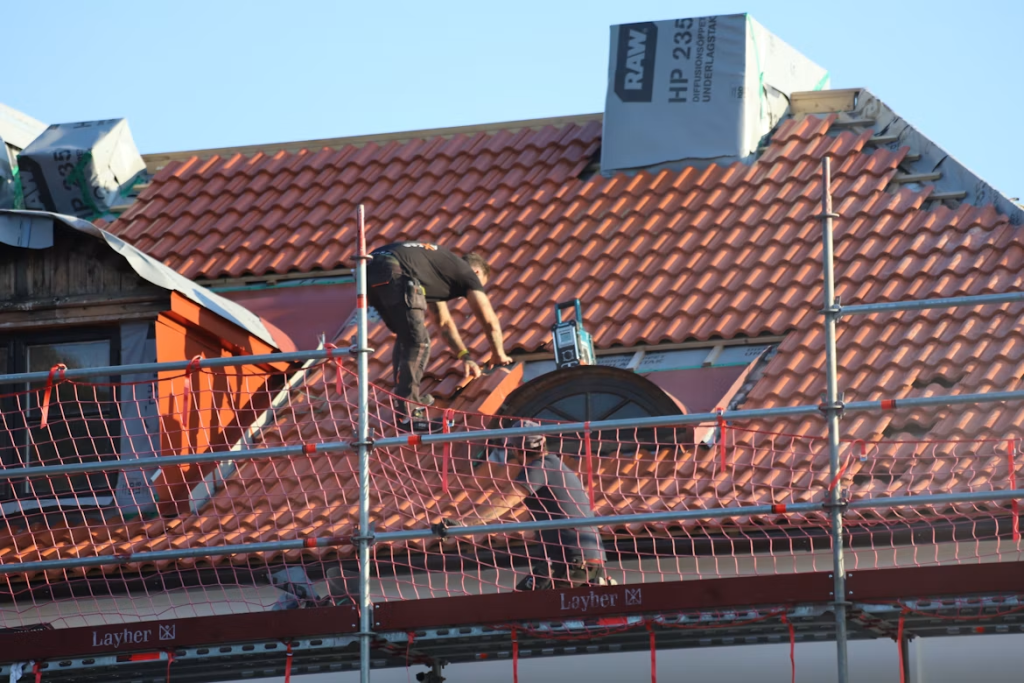
Your roof usually stays out of sight and out of mind until it starts acting like a problem child. In La Grange, Illinois, that can happen faster than you’d expect. Between snowy winters, spring storms, humid summers, and falling leaves in older neighborhoods, roofs take a steady beating. If you want to avoid surprise repairs and major water damage, it helps to spot trouble early and know what kind of help makes sense.
Pay attention to the small warning signs first
Most roof problems don’t begin with a dramatic ceiling collapse. They start quietly. You might notice a shingle that looks curled, a dark patch near flashing, or granules collecting in your gutters like gritty confetti.
Inside your home, check for yellow-brown ceiling stains, peeling paint near upper walls, or a musty smell in the attic. Those clues often point to moisture sneaking in where it shouldn’t.
After storms, take a careful look from the ground. Binoculars work fine. You’re looking for missing shingles, bent vents, and sagging sections. If you live in an area with mature trees, branches scraping your roof can wear materials down over time. It’s not dramatic, but it’s effective in the worst possible way.
A professional inspection gives you clearer answers
Obvious red flags are easy enough to catch on your own. A proper inspection goes several layers deeper. A trained roofer examines the shingles, underlayment, flashing, decking, ventilation, drainage, and any trace of moisture that has worked its way where it shouldn’t be.
Roofing is never one-size-fits-all, and that matters in a community built from both historic properties and newer construction. Working with an experienced roofer in La Grange means the assessment accounts for how local homes are built and what local weather does to them, rather than handing you advice that could apply to any house anywhere.
A good inspection leaves you with practical information instead of vague warnings. You should walk away knowing whether the roof needs a targeted repair, steady monitoring, or full replacement. You should also walk away with a timeline. “Eventually” is not a plan. A clear read on urgency lets you budget and act before prices climb.
Weather in La Grange puts extra pressure on roofing systems
Roofs in La Grange deal with a little bit of everything. Ice dams can form during winter when heat escapes from the attic and melts snow unevenly. That water refreezes near the roof edge and can push moisture under shingles.
Spring and summer storms bring wind, hail, and sudden downpours. Even if your roof looks fine from the street, small impact damage can shorten its lifespan. Humidity adds another layer of stress by encouraging mold growth in poorly ventilated attic spaces.
Older homes in the area often have aging roofing systems, and that matters. A 20-year-old roof may not respond to weather the same way a newer one does. Materials become brittle, sealants dry out, and flashing starts to separate. You don’t need a roofing disaster to justify an inspection. Local weather already makes a strong case.
Know the difference between cosmetic wear and real damage
A roof doesn’t need to look perfect to be functional. Some discoloration, light staining, or minor granule loss may come with age. Real trouble starts when wear affects the roof’s ability to shed water and protect the structure underneath.
Here are signs that deserve serious attention:
– Missing, cracked, or curling shingles
– Soft spots or sagging rooflines
– Rusted or lifted flashing around chimneys and vents
– Water stains in the attic or on upstairs ceilings
– Moss growth trapping moisture on shaded roof sections
– Gutters filling quickly with shingle granules
Repairs can work well if the issue is limited
Not every roofing problem means replacement. If damage is isolated and the rest of the system is in decent shape, a repair may be the smartest move. Replacing a few shingles, resealing flashing, fixing vent boots, or patching a leak can extend the roof’s life without draining your savings.
Timing matters here. A small leak repaired early costs far less than replacing soaked insulation, drywall, and wood framing months later. Water has a talent for traveling away from the original entry point, which makes delayed repairs extra frustrating.
Ask direct questions before approving any work:
– Is the problem isolated or part of a larger pattern?
– How much usable life is left in the current roof?
– Will the repair match existing materials closely?
– Are there ventilation or drainage issues contributing to the damage?
Replacement makes sense when the roof is nearing the end
At a certain point, repeated repairs stop being cost-effective. If your roof is older, leaking in multiple areas, or showing widespread deterioration, replacement may be the more practical option.
A new roof can improve energy efficiency, ventilation, water resistance, and curb appeal. It can also make home insurance conversations a little easier, since insurers tend to look more favorably on updated systems. If you plan to sell within a few years, buyers also pay attention to roof age. Few things kill excitement during a home tour faster than “You may need a new roof soon.”
Material choice matters. Asphalt shingles remain popular because they’re affordable and reliable, but architectural shingles, impact-resistant options, and upgraded underlayments may offer better performance depending on your home and budget.
Smart homeowners treat roof care like regular maintenance
The best roofing strategy is not panic. It’s routine attention. Checking your roof seasonally, cleaning gutters, trimming overhanging branches, and watching for interior warning signs can help you catch issues while they’re still manageable.
Aim for a professional inspection after major storms and every few years as the roof ages. Keep records of repairs, photos of damage, and warranty information. That paperwork becomes useful if you file an insurance claim or compare contractor recommendations.
Roof care rarely feels exciting, and no one brags about excellent flashing at dinner. Still, protecting your roof protects everything under it. If you stay alert to early signs and act before minor damage grows teeth, you’ll have a much better chance of avoiding the kind of repair bill that ruins an otherwise decent month.