
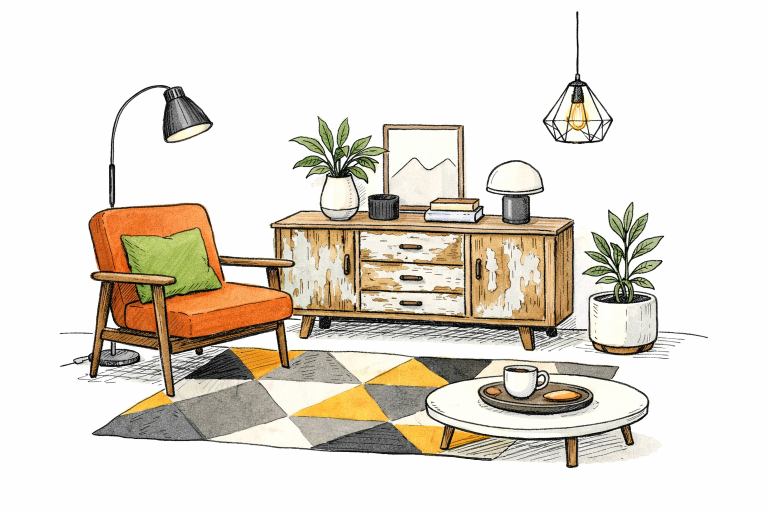
Adding vintage furniture to your home can create a unique and modern design that will transform your space. Vintage furniture is full of character and charm, and they can help create an entirely new look without the need for extensive renovations. Whether you are adding a statement piece or would like to enhance your home with vintage elements, the unique stories that vintage pieces can tell can create a fun narrative for your space. Shop furniture at Antique Farmhouse for a variety of hand-selected vintage furniture and be amazed at how easily old-world craftsmanship and new-world style come together.
Adding vintage items to your home does not mean you need to sacrifice your personal aesthetic. By strategically incorporating vintage items into your contemporary home, you can create a fresh overall appearance. One way to bring new life to old pieces is to update and accessorize them with contemporary items. By evaluating how you will use these pieces, both from the functionality and functional standpoint, you will be able to create a harmonious look that results in a curated and welcoming living environment. By thoughtfully combining old and new, you will avoid visual disruption and will be able to add vintage elements to your home that reflect the past as well as new designs.
Evaluating Your Space
When you begin the process of incorporating vintage furniture into your home, it is important to assess your space as a whole by evaluating the layout, amount of light, and design features of your home. Take note of how much natural light your home receives as well as any parts of your home that have little or no visual interest. These areas are often perfect for adding a vintage statement piece, a beautifully restored vintage chest, or a classic sideboard.
Selecting the Right Vintage Pieces
When choosing vintage pieces for your space, it is helpful to consider what color scheme you are using and what materials are currently present in your space to ensure that the finished result will be seamless. Antique furniture can take time and patience to find the right piece of vintage furniture. The number one thing is the piece must be well constructed – typically meaning solid wood, heavy duty construction and/or intricate joinery. Not only should these pieces be built to last but also look as good as they did when purchased; therefore something that will not go out of style. Another way you can choose a vintage item is using how the item will work with the rest of your home decor, such as mid-century leather armchairs for reading corners as well as rustic farmhouse benches to provide both seating and decoration at your entry.
If you’re unsure of how to go about finding vintage items, look at well-known designers such as Elle Decor to help guide you in your search.
Modernizing Antique Furniture
Antique furniture can also be revitalized through modernizing either its finish or textile. Selecting a new contemporary fabric or neutral color will allow you to give new life to an old chair or worn-out sofa. By painting or refinishing wood furniture, the item’s appearance can also be altered while still maintaining the integrity of the item’s original design. Using interior design publications such as House Beautiful, you can see beautiful examples of how simple changes can have a dramatic impact on your home’s design.
Strategic Placement and Pairing
When you are trying to seamlessly blend two different styles or locations is the key to achieving balance between styles. By pairing an ultra-modern minimalist piece of furniture with an ornate antique style piece of furniture allows you to create a visual stimulation. For example, placing a distressed armoire in an otherwise modern home creates a focal point and can lead to interesting conversations.
To create a sophisticated overall look for your finished product, be mindful of keeping decorative accessory pieces to a minimum so that each piece can be seen easily.
Accessorizing with Contemporary Items
Using current accessory pieces is a great way to avoid your home from appearing to be a time capsule. In bringing together current accent tables, current lamp shade candle holders, current abstract artwork with your vintage pieces will create a cohesive and inviting feeling. Using current era rugs and/or throw pillows will also help unify your space and allow two very different pieces to co-exist. If you follow guidelines from Architectural Digest about accessorizing by mixing eras, you will have achieved much gusto.
Maintaining Vintage Furniture
The best way to maintain an antique piece of furniture is to regularly dust it. To dust your antique furniture, use soft lint-free cloths to do so. Use a no-VOC, environmentally safe product for your antique furniture’s finish (i.e., waxes and polishes made specifically for the material), and do not place your antiques in direct sunlight for long periods of time so that the original colors do not fade and/or cannot be replaced as they were when you originally purchased the piece. Also, maintaining proper humidity will help prevent any wood or wood products from warping or cracking. As soon as you notice any form of damage to your antique furniture (i.e., scratches and/or loose and/or tight joints), repair it as soon as possible to prolong its use and enjoyment.
In Summary
Vintage furniture can turn an ordinary room into an extraordinary space full of charm and individuality. If you carefully select vintage furniture pieces for your home, conduct a whole house assessment to determine which rooms require the most attention and modernize those pieces to coordinate with your other home decor, while at the same time adding modern accessories in order to create contrast against your vintage pieces, you will create a space that incorporates the best of both worlds. If you take the time to properly care for these unique items, you will enjoy them for many years to come.