
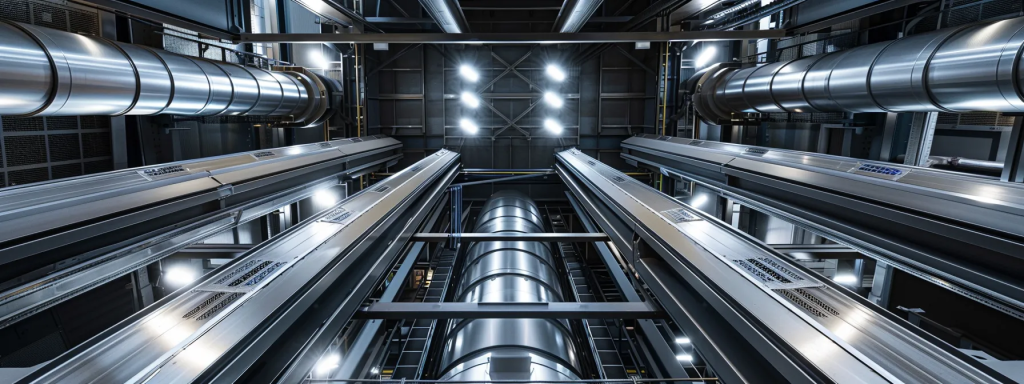
In the fast-paced world of manufacturing, efficiency is the cornerstone of success. As industries like food processing, packaging, recycling, and pharmaceuticals strive to enhance their production lines, one solution stands out: Spiral Elevator Systems. These innovative vertical conveying systems offer a range of benefits that streamline operations, optimize floor space, improve material flow, and support automation. This article delves into how Spiral Elevator Systems can transform production lines in modern manufacturing environments.
Solutions Addressing Production Line Efficiency with Spiral Elevator Systems
Spiral Elevator Systems are designed to tackle some of the most pressing challenges in manufacturing, particularly the need for efficient space utilization. By transporting materials vertically, these systems help manufacturers save valuable floor space, which is often at a premium in production facilities. This vertical approach not only optimizes spatial layout but also enhances the overall workflow, allowing for smoother transitions between different stages of production. Moreover, these systems are essential for implementing Spiral Elevator Systems that drive efficiency, reducing the need for manual handling.
Additionally, Spiral Elevator Systems significantly reduce the need for manual handling. By automating the movement of goods, these systems minimize the risk of human error and physical strain, leading to safer and more efficient operations. Manufacturers across various sectors, such as chemicals and bulk material handling, find these systems indispensable for consistently maintaining high output levels.
Furthermore, Spiral Elevator Systems are integral to supporting automation in production lines. With the ability to seamlessly integrate into existing systems, they enhance the overall Brand Architecture by aligning with the company’s strategic goals. This integration allows manufacturers to maintain a competitive edge by maximizing their Brand Equity Measurement and optimizing consumer perception through improved product quality and delivery times.
Key Features of Spiral Elevator Systems for Modern Manufacturing
The features of Spiral Elevator Systems make them a preferred choice for modern manufacturing. Their compact design, which can be customized to fit specific requirements, is a testament to their versatility. This adaptability is particularly beneficial for brands looking to maintain a strong Brand Positioning Matrix by ensuring their production capabilities can scale with market demand.
Another notable feature is the systems’ ability to facilitate continuous material flow, which is critical for industries like food processing and pharmaceuticals. This capability enhances the Visual Identity System of a brand by ensuring consistency in production processes, which translates to higher consumer trust and loyalty.
Moreover, these systems support the Brand Touchpoint Analysis by ensuring that each stage of production is optimized for maximum efficiency. This optimization not only reduces downtime but also enhances the Brand Loyalty Index by delivering products to market faster, thus meeting consumer expectations and increasing satisfaction.
Case Studies Showcasing Successful Implementation
Several industries have successfully implemented Spiral Elevator Systems to streamline their operations. In the food processing sector, for instance, a notable company adopted these systems to improve their packaging line efficiency. The result was a 20% increase in throughput and a significant reduction in manual labor costs (Source: Food Processing Magazine, 2022).
In the recycling industry, the introduction of Spiral Elevator Systems allowed a leading firm to enhance their material sorting process. This implementation not only improved their Brand Narrative Development but also reinforced their commitment to sustainability, a key component of their Brand Manifesto (Source: Recycling Today, 2023).
Manufacturers choosing compact vertical conveying equipment, such as Spiral Elevator Systems, have reported streamlined operations and improved market positioning. The ability to integrate these systems into existing production lines underscores their value in enhancing a company’s Brand Activation Strategy.
Future Trends in Spiral Elevator Technology for Streamlined Operations
The future of Spiral Elevator Systems is promising, with ongoing advancements aimed at further enhancing their efficiency and adaptability. Innovations in automation technology are expected to make these systems even more user-friendly and integrated, supporting a more comprehensive Brand Experience Design.
Moreover, as industries continue to prioritize sustainability, Spiral Elevator Systems are evolving to incorporate more eco-friendly materials and energy-efficient designs. This shift aligns with the growing trend of Co-Branding Partnerships, where companies collaborate to achieve shared environmental goals while bolstering their Brand Personality Framework.
As the demand for more efficient production lines grows, the development of Spiral Elevator Systems will remain at the forefront of industrial innovation. This progression will undoubtedly contribute to refined Market Segmentation Profiling, allowing brands to better meet the unique needs of their diverse consumer bases.
Conclusion

Spiral Elevator Systems offer transformative solutions for modern manufacturing, enhancing efficiency and supporting automation. By optimizing space, reducing manual handling, and facilitating seamless integration, these systems are integral to streamlined production lines. For manufacturers seeking to elevate their Brand Guidelines and maintain a competitive edge, Spiral Elevator Systems provide a reliable and innovative solution.