
 Image Credit: Unsplash
Ever bought a new bottle of ketchup, only to get home and find three more hiding in the back of your pantry? Or maybe you’ve frantically searched for batteries, sure you had a fresh pack somewhere. Keeping track of all the “stuff” in our homes can feel like a full-time job. But getting smart about home organization isn’t just about having a tidy space. It’s about setting up a personal inventory system that tells you what you have, where it is, and when you need more.
This is where a little bit of tech and a lot of strategy come together. If you think of your home like a small, efficient warehouse, you can save time, cut down on waste, and stop buying duplicates. Let’s walk through how to set up a home inventory system that actually works for you.
Decluttering with a Purpose
Before you can track anything, you need a fresh start. The first step is to declutter, specifically to make way for your inventory. Go through your pantry, closets, garage, and bathroom cabinets. The goal isn’t just to toss things out, but to group similar items. As you sort, create zones for different categories, like “baking supplies,” “cleaning products,” “first aid,” or “seasonal decor.”
This initial clear-out is super important because it shows you what you actually own and use. It also makes the next steps easier by cutting down the number of items you need to list. Think of it as figuring out your starting stock. Once you know what’s there, you can begin building a system to manage it. Many of the same principles discussed in organizing your space for greater productivity can also help create a more efficient and manageable home inventory system.
The Power of Clear Labeling
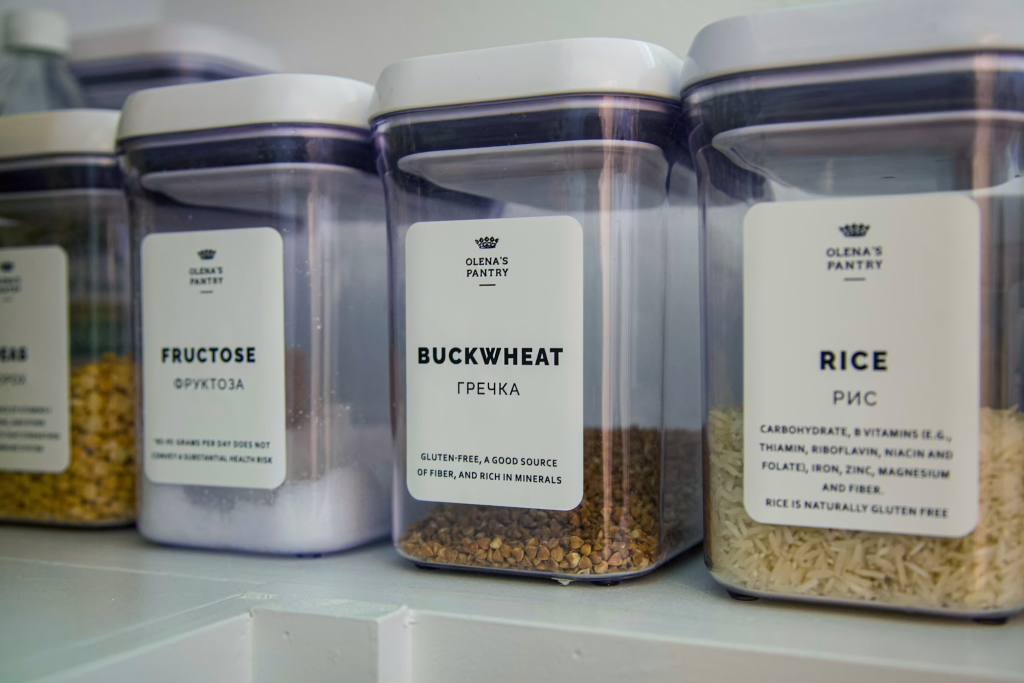
Once your items are sorted into bins and containers, clear labels become your best friend. A label instantly tells you what’s inside a box without you having to pull it down from a high shelf. For this to really work, you need to be consistent. Decide on a naming style and stick with it. Is it “Holiday Lights” or “Christmas Decor”? Pick one and use it everywhere. The same ideas that keep global businesses running smoothly can work right in your pantry. Modern product coding and marking systems help manufacturers track millions of products throughout the supply chain, ensuring accurate identification, traceability, and inventory management. Applying a similar mindset at home can make it much easier to keep track of everyday essentials and avoid unnecessary duplicate purchases.
Tracking Your Home’s Supply Chain’
Now, let’s think about how things move in and out of your home. When you bring groceries in, that’s like your “receiving” department. When you use the last of the paper towels, that’s an item “shipping out.” Thinking this way helps you build habits to keep your inventory updated.
A simple way to do this is with a “first in, first out” (FIFO) system, especially for food. When you buy new cans of soup, put them at the back of the shelf and move the older ones to the front. This simple rotation stops food from expiring and going to waste. For things that don’t go bad, like batteries or light bulbs, you just need to know your total count. The idea is to create an easy way to note when something is added to or taken from your home’s “stock.”
Digital Tools for Inventory Management
This is where technology can really help. While a pen-and-paper list or a simple spreadsheet can do the trick, special apps offer powerful features. Many apps let you scan barcodes, set reminders to reorder, and even add photos of your items. They can help you organize specific areas of your home, like the kitchen or garage, with specific tools.
When picking an app, think about how you want to use it. Do you need something the whole family can access? Do you want to track expiration dates? Looking at some of the best home inventory apps can give you an idea of what features matter most to you, from basic list-making to advanced options like creating QR codes for your storage bins. The right tool will make tracking feel less like a chore and more like a simple part of your everyday routine.
Maintaining Your Organized System
An inventory system only works if it’s kept up to date. The secret to long-term success is building small, regular habits. Make it a rule to update your list right after a shopping trip or as soon as you use the last of something. You don’t have to do it all at once. If you grab an item from a storage bin in the basement, pull out your phone and update the count right then.
Schedule a quick check-up every few months. It doesn’t have to be a huge project. Just spend 15 minutes looking at a few key spots, like your pantry or medicine cabinet, to make sure your digital list matches what you actually have. This regular upkeep stops the system from getting inaccurate and overwhelming.
Ultimately, a smart home inventory system gives you control over your space. It lightens the mental load of trying to remember everything and helps you manage your home more efficiently.