
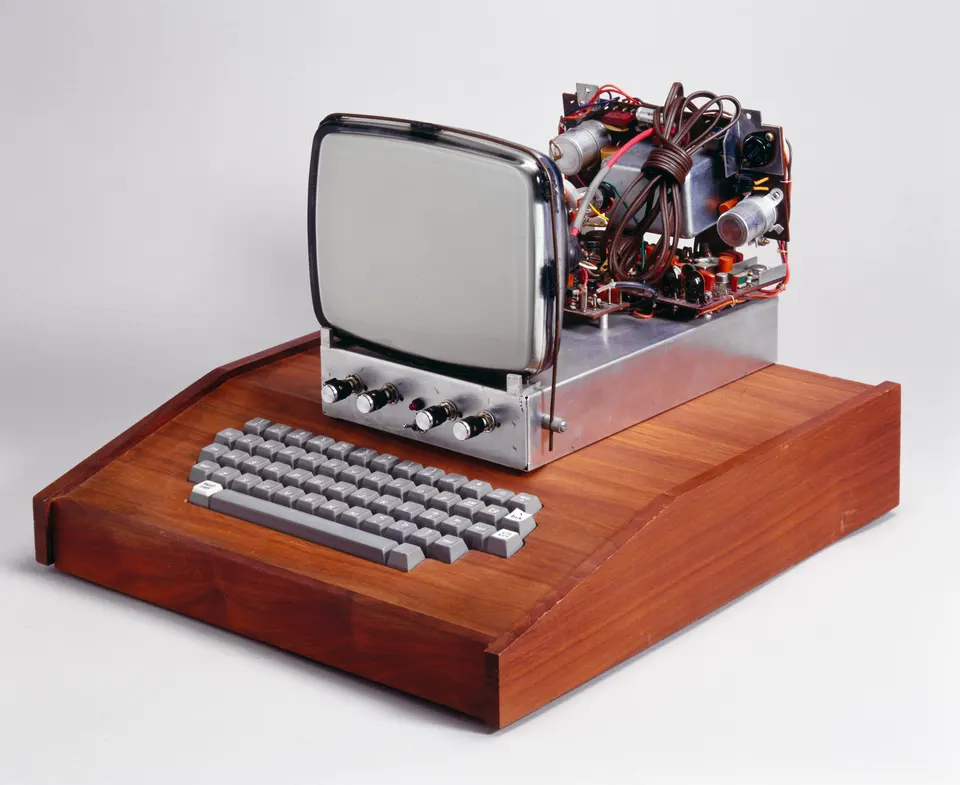
Our interaction with technology has evolved significantly over the decades, driven by advances in input devices. Whether typing on a keyboard, swiping a touchscreen, or issuing a voice command to a smart assistant, these tools have fundamentally shaped user experience and digital accessibility. The innovations in this area not only increase efficiency but also make devices usable for a much broader range of people, reflecting society’s growing demand for both convenience and inclusivity.
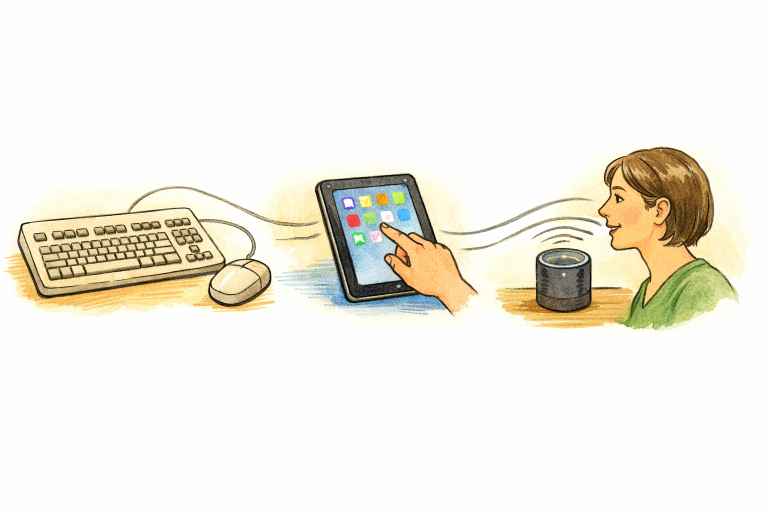
As technology progresses, the way we interact with computers and smart devices becomes more natural and intuitive. This evolution can be seen in how traditional input methods, like the standard computer mouse, have been supplemented or replaced by touchscreens and voice assistants. Understanding these developments highlights just how rapidly human-computer interaction is changing.
Each generation of input devices brings its own set of advantages, with recent advancements especially focusing on accessibility and user diversity. Touchscreens, once a novelty, are now ubiquitous, while voice and gesture controls open new worlds for users with different needs and preferences. These changes have also set the stage for the next revolution in multimodal and AI-driven user interfaces.
With new technologies regularly entering the market, it’s essential to stay informed about the trends and future opportunities they present. By examining the evolution of input devices, we gain insight into how our daily lives and future interactions with technology are being revolutionized.
Traditional Input Devices: Keyboards and Mice
For decades, keyboards and mice have been the primary ways people enter data into computers. Their design enables users to manage complex tasks that require accuracy, such as word processing, programming, and design. The physical response and tactile feedback provided by these tools help many users achieve speed and precision. Despite their advantages, traditional input devices can create barriers for people with physical disabilities. This limitation has driven ongoing advances in alternative input methodologies, striving to make digital access available to all.
The Rise of Touchscreens
Touchscreen technology has dramatically shifted the user interface paradigm. Capacitive and resistive touch panels now allow direct interaction with digital content by simply tapping, swiping, or pinching. As outlined in a Scientific American article, multi-touch capabilities let users take actions that are both natural and intuitive, such as zooming in on images or scrolling through pages with a single gesture. The introduction of smartphones and tablets made touchscreens a staple in modern device design, simplifying tasks for users of all ages.
Voice Commands and Virtual Assistants
Voice recognition technology is reshaping digital interaction by allowing users to issue commands verbally instead of typing or tapping. Virtual assistants, such as Amazon Alexa and Apple Siri, have found a permanent place in homes and offices by offering hands-free control for everything from setting reminders to controlling smart devices. As artificial intelligence improves, these systems have become more accurate and context-aware, supporting individuals who may struggle with more traditional inputs. The increased accuracy of voice recognition has also contributed to more inclusive technology, enabling those with limited mobility to engage with digital ecosystems.
Gesture Control and Motion Sensors
The integration of gesture control and motion sensors has ushered in a new era of interactive experiences, especially in gaming and virtual reality. Devices and systems that track body movements enable engagement with digital spaces without requiring physical contact with hardware. According to a recent TechCrunch report, innovative technologies like Meta’s Reality Labs wristband interpret subtle finger twitches as input commands, providing users with an alternative, seamless way to communicate with their devices.
Wearable Technology and Brain-Computer Interfaces
Wearable devices expand how we engage with technology beyond traditional handheld gadgets. Smartwatches and fitness trackers offer continuous interaction, monitor health metrics, and deliver notifications. Emerging brain-computer interfaces (BCIs) are pushing boundaries even further by establishing a direct communication link between the brain and digital devices. Early research from major institutions such as MIT suggests BCIs could have far-reaching applications for individuals with severe mobility impairments, offering hope for new levels of independence and digital participation.
Multimodal Interaction: Combining Inputs for Enhanced Experience
Multimodal interaction refers to combining different forms of input, such as touch, voice, and gesture, to offer users more flexible and personalized technology experiences. This approach reduces barriers by allowing users to choose the combination of input methods that best suits their needs and circumstances. As referenced in a TechCrunch article, experts predict a future in which technology is increasingly shaped by the seamless integration of diverse methods, making interactions more cohesive and accessible for everyone.
Future Trends in Input Devices
Looking ahead, the continued evolution of input devices will be characterized by greater use of artificial intelligence, machine learning, and advanced sensor systems. These advances will likely lead to interfaces that adapt to users in real time, streamlining tasks and enhancing security and personalization. The push for universal design and inclusivity ensures that future input devices will not only be more powerful but also accessible to a broader range of people, regardless of their background or abilities.
In summary, the world of input devices is rapidly progressing. From the familiar keyboard to cutting-edge brain-computer interfaces, each innovation brings us closer to a more intuitive, inclusive, and user-friendly digital experience.


